Why compatibility checks matter on busy kitchen equipment
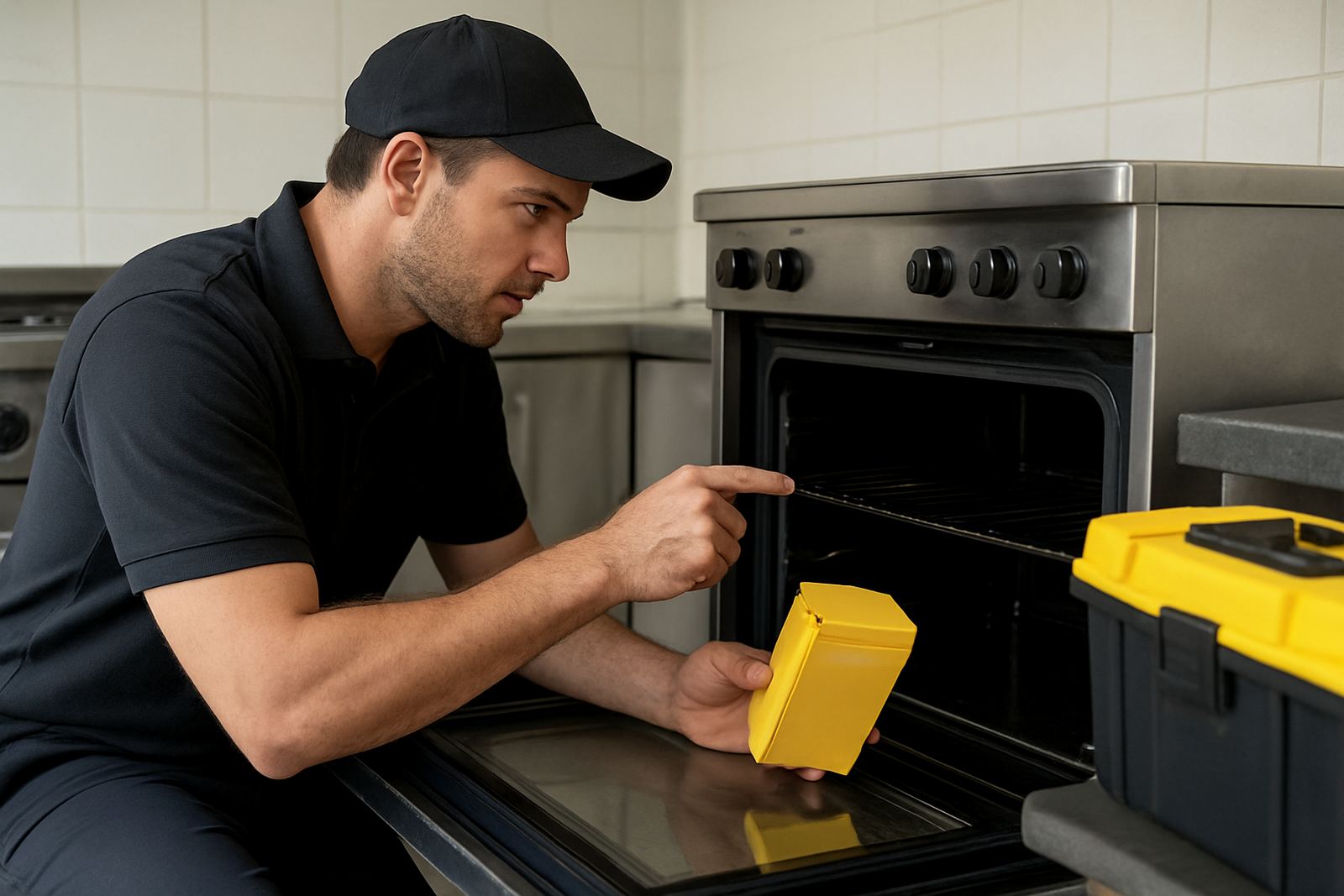
Commercial ovens, fryers and dishwashers often run for long hours, in heat, grease and steam. After a few years, model plates fade, part numbers rust, and previous repairs leave behind mixed components that look similar but do not match. That is where a compatibility check saves time and avoids repeat callouts. We compare the part you need against the actual machine setup, not just the description on a worn sticker.
This service is useful for kitchens in Johannesburg, Pretoria, Durban and Cape Town, where many sites work through load-shedding, coastal humidity or heavy daily use. A thermostat that looks right may still have the wrong probe length, capillary route or temperature range. A gasket can fit the door opening but still fail if the profile depth or corner join is wrong. We check those details before you place the order.
What we check before you order
Our team looks at the make, equipment type, visible part markings, measurements and fitting style. If you have a photo of the existing part, the connection point and the rating plate, that usually helps us narrow it down fast. Where needed, we ask for extra detail so we can match the item properly and not guess.
- Element length, wattage and terminal type
- Thermostat range, probe length and sensing style
- Gasket profile, door size and corner joins
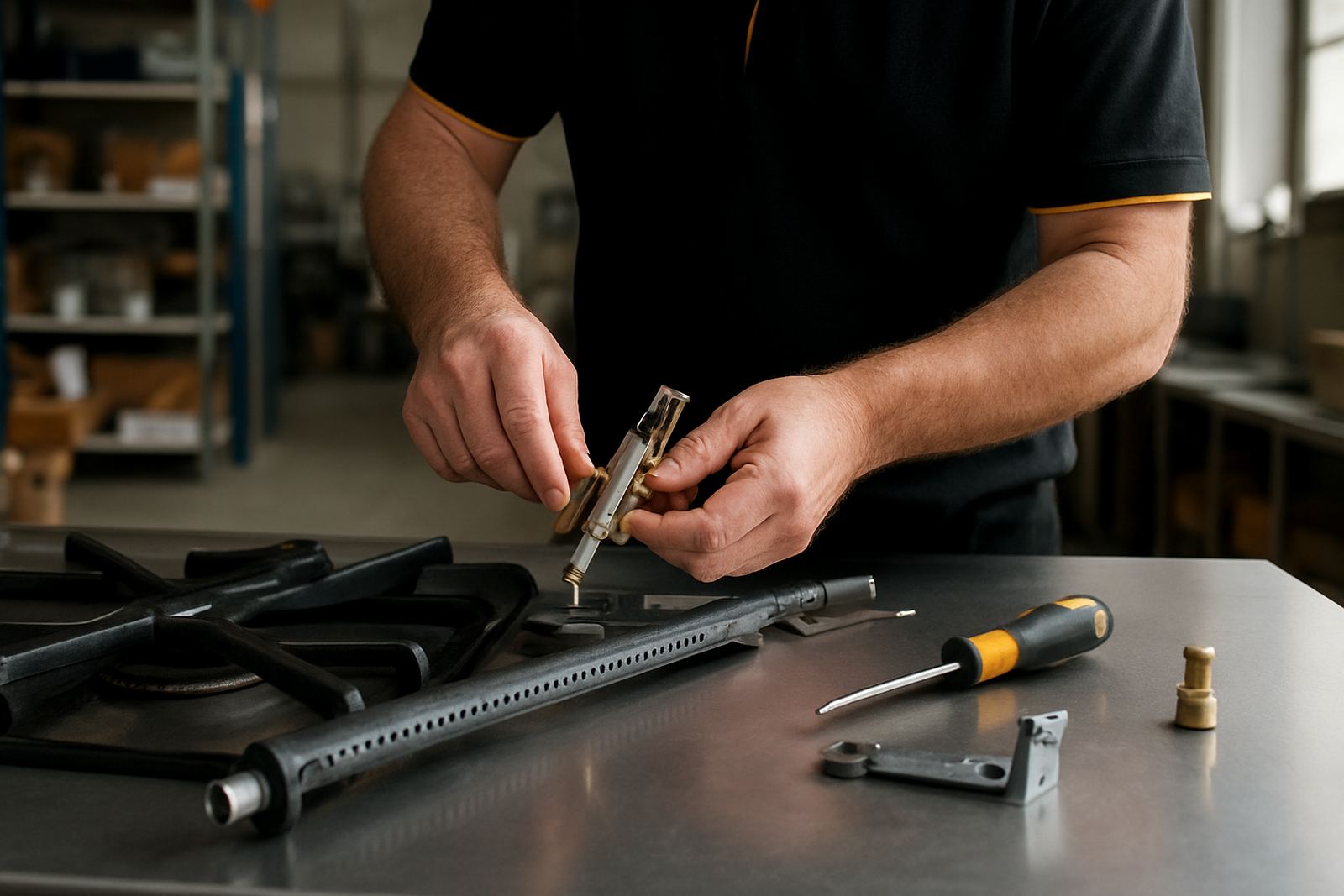
- Burner size, mounting points and gas or heat application
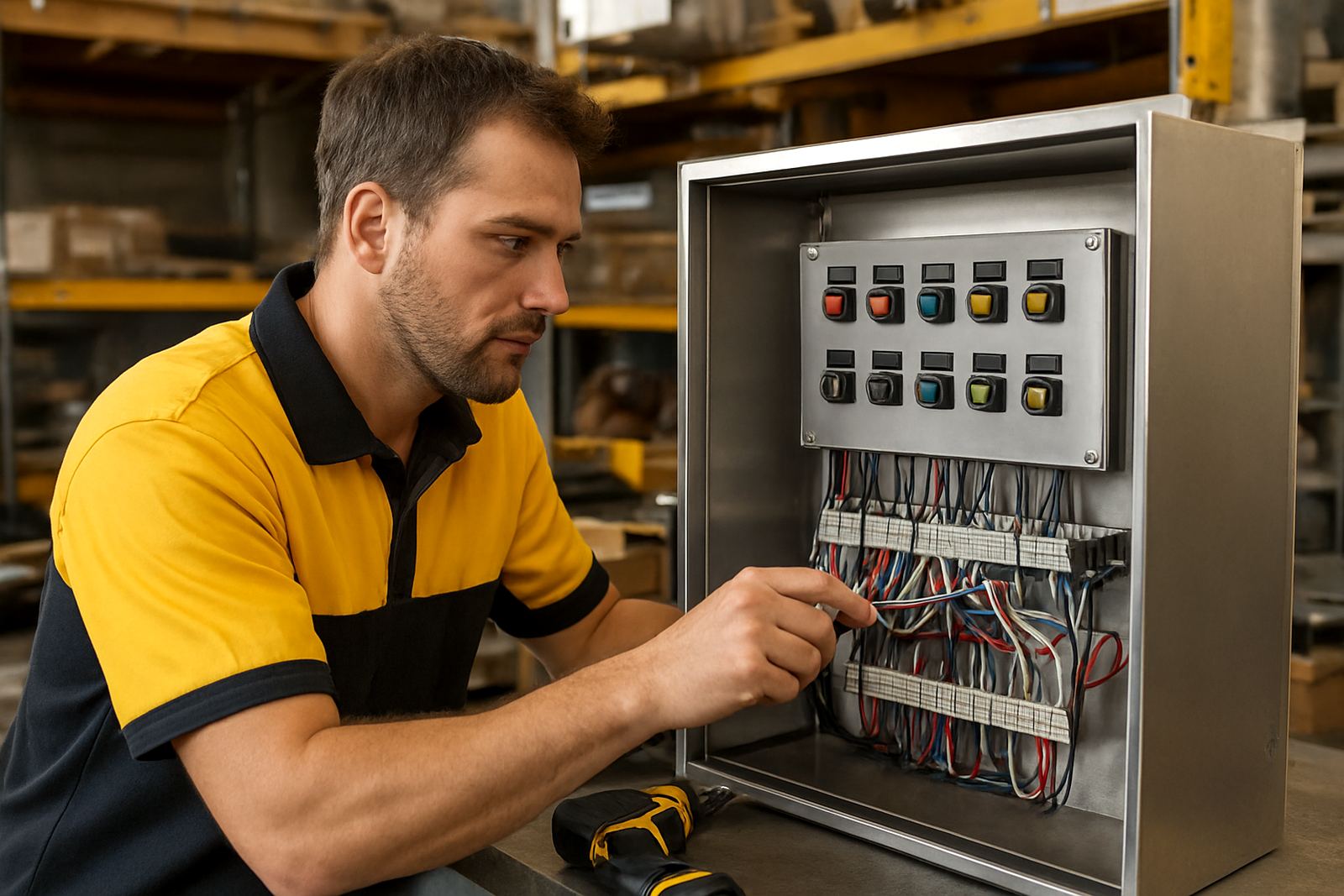
- Switch position, amperage rating and shaft style
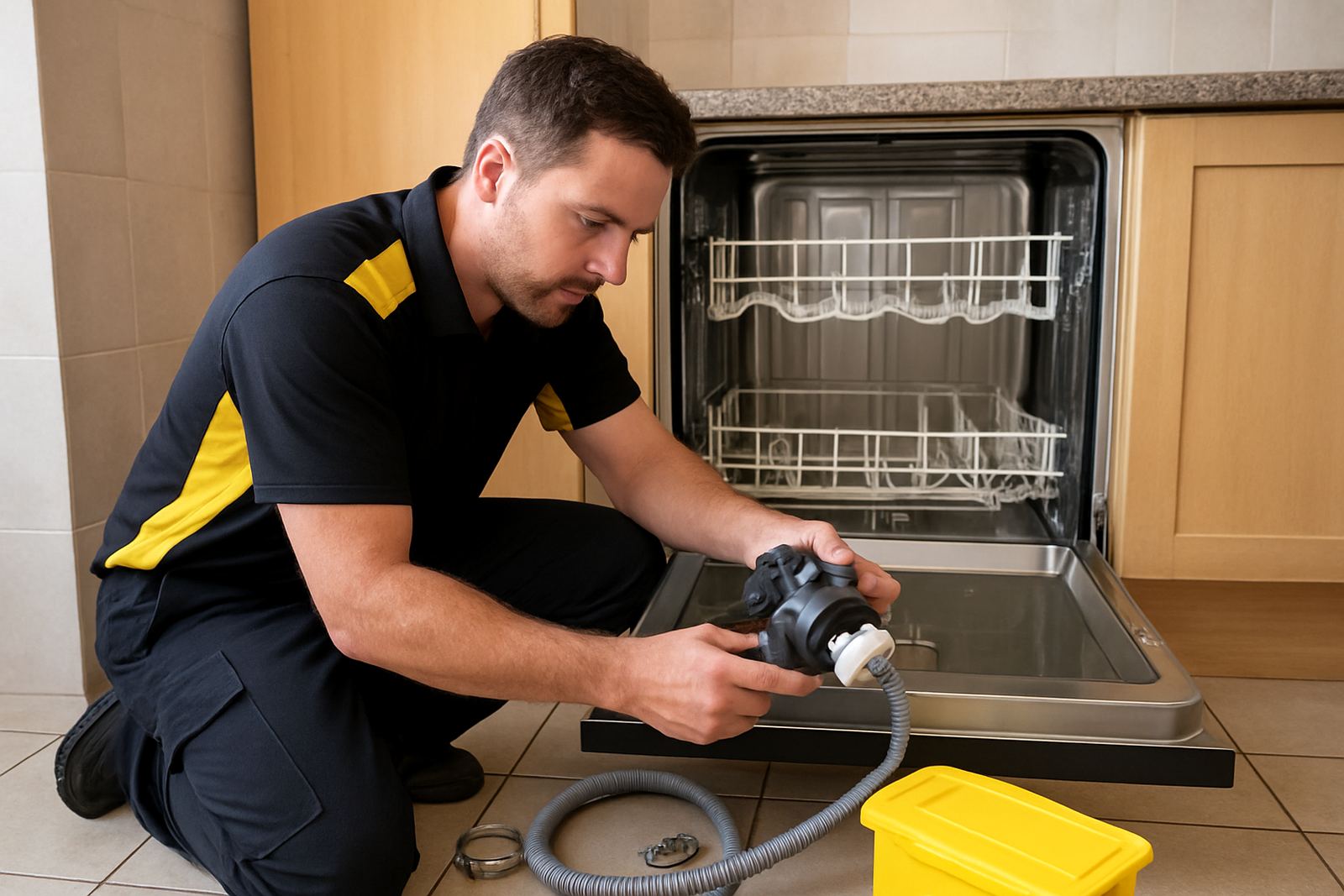
- Dishwasher seals, fittings and pump-related part match
We also check whether the equipment has had conversions or repairs that changed the original specification. That happens quite often with imported ovens and older dishwashers, especially where replacement work was done in a hurry. If the part needs to be matched to a non-original setup, we will say so clearly before anything is dispatched.
How the compatibility process works
The process is straightforward. You send the information, we assess it against the part type, then we confirm the likely match or ask for more detail. If the part is critical, for example an oven element on a lunch rush line or a dishwasher thermostat in a hotel kitchen, we prioritise the check so you are not stuck waiting without a reason.
- Step 1: Send photos, measurements and any part numbers
- Step 2: We compare the details with the equipment spec and fitting style
- Step 3: We confirm the match, or flag any risk before order
- Step 4: Once approved, the part is picked and dispatched from Midrand
- Step 5: If required, we can assist with fitting and post-fit testing
For clients outside Gauteng, we often work from photos, measurements and a short call. If the issue is not clear, we may ask you to photograph the terminal block, door seal corner, burner plate or switch backplate. That extra step avoids returns and helps keep downtime down.
Turnaround for urgent kitchen repairs
Most compatibility checks are handled the same working day during normal office hours, provided the photos and measurements are clear. If the equipment is unusual, or the original plate is missing, it may take longer because we need to compare several options. In those cases we work methodically rather than rush and send the wrong item.
For urgent breakdowns in restaurants, canteens, lodges and takeaway kitchens, speed matters. A fryer element that is 20 mm too long or a dishwasher gasket with the wrong lip profile can hold up service and create another repair job. We aim to give a straight answer on what matches, what does not, and what needs a physical check on site.
Where fitting is arranged after confirmation, we can also guide the next step so the part is not only compatible on paper but correct in the actual machine. That practical follow through helps when kitchens are dealing with tight prep schedules and delivery windows.
Pricing approach for checks and follow up support
Compatibility checks are quoted according to the level of detail needed, the part type and whether the job can be confirmed from images alone or needs deeper technical review. Simple checks on common elements, gaskets or switches are usually quicker. More involved jobs, such as older ovens with mixed repairs or commercial dishwashers with incomplete identifiers, may need extra review time.
We keep pricing clear before work starts. If a check leads to a part order, the focus stays on getting the right item out first time. For many customers, the real saving is not the check fee itself but avoiding a return, a second courier charge and another hour or two of lost trading. That is especially true for sites in Durban and along the coast where corrosion can mean several parts look the same but are not the same at all.
How to keep parts compatible longer term
Some parts fail because of wear, but many fail early because the equipment has not been kept in spec. Regular checks on seals, terminals, burner condition and temperature control reduce repeat breakdowns. We normally suggest a practical inspection interval based on use: monthly for heavy breakfast or hotel kitchens, every two to three months for moderate use, and after any power fluctuation or major clean-down.
Good maintenance also means watching for small changes. A door that no longer closes squarely can damage a gasket. A fryer that cycles too often may point to a thermostat issue. If the equipment has been moved, relevelled or changed from single phase to another setup, the compatible part may also change. Noting those details early makes future ordering easier and faster.
- Check seals and cables during routine cleaning
- Record part numbers before old items are discarded
- Photograph rating plates while they are still readable
- Keep notes on any prior conversions or repairs
Key facts
| Service area | National online, dispatched from Midrand |
|---|---|
| Core parts | Elements, thermostats, gaskets, burners and switches |
| Typical equipment | Ovens, fryers and dishwashers |
| Response time | Many checks completed same working day |
| Info needed | Photos, measurements, part numbers and rating plate details |
| Support options | Part fitting, onsite support and post-fit testing |