What burner fitting covers
Burner fitting is not just swapping a part and walking away. On gas equipment, the burner, jet, air mix and mounting position all have to work together or you get lazy flame, soot, hot spots and wasted gas. We handle the practical checks that matter in a busy kitchen, especially where equipment runs long hours and staff need consistent heat from breakfast through supper.
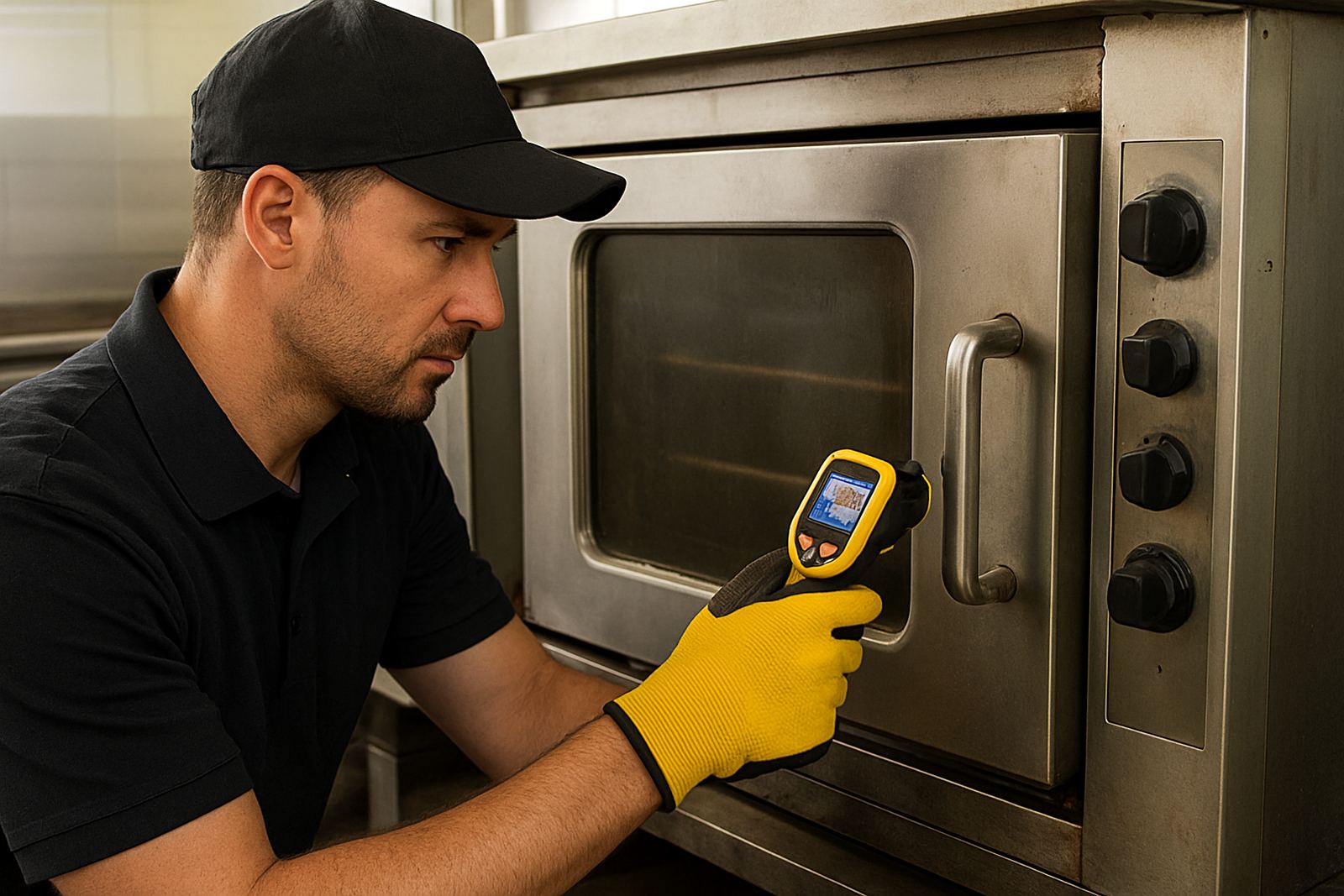
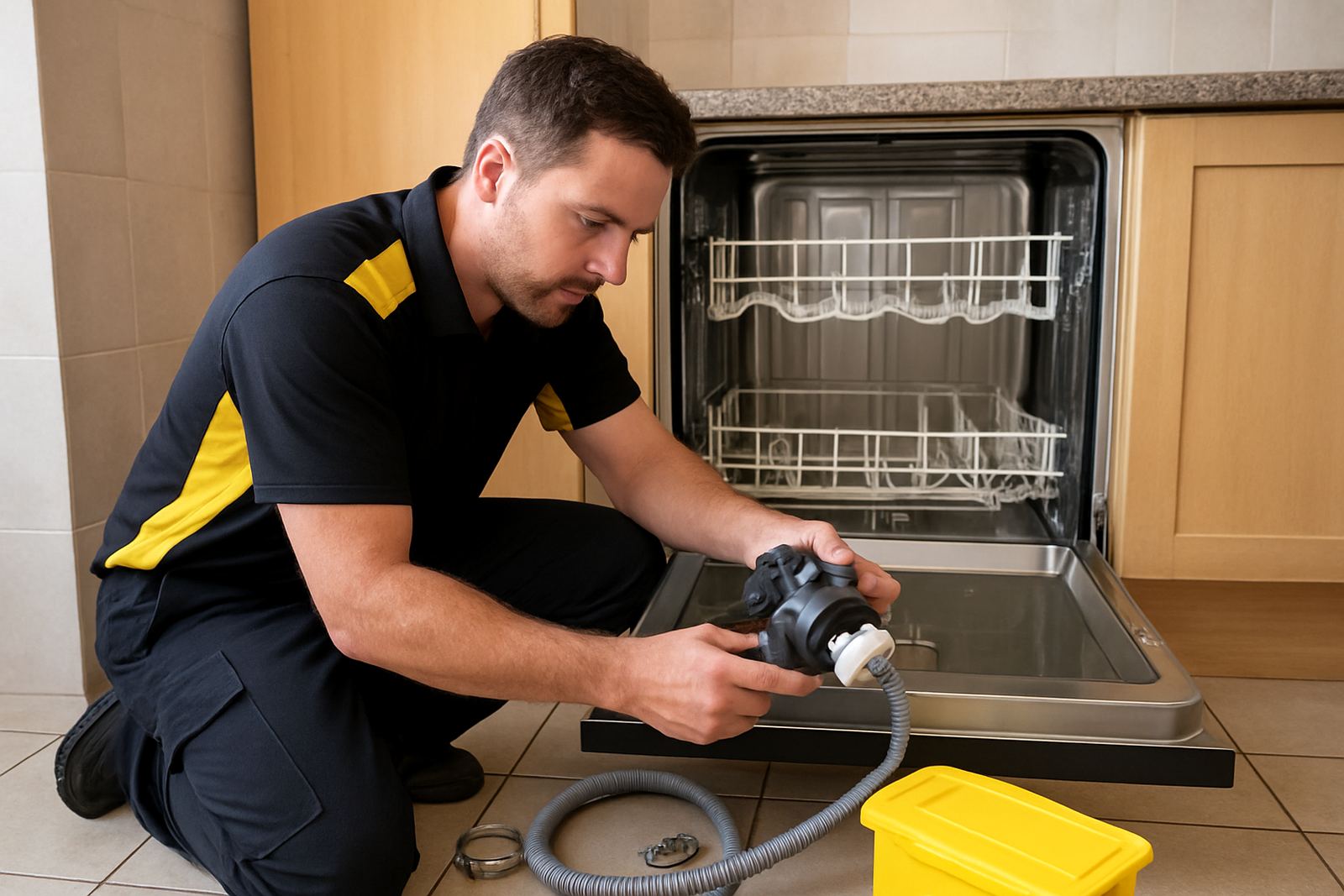
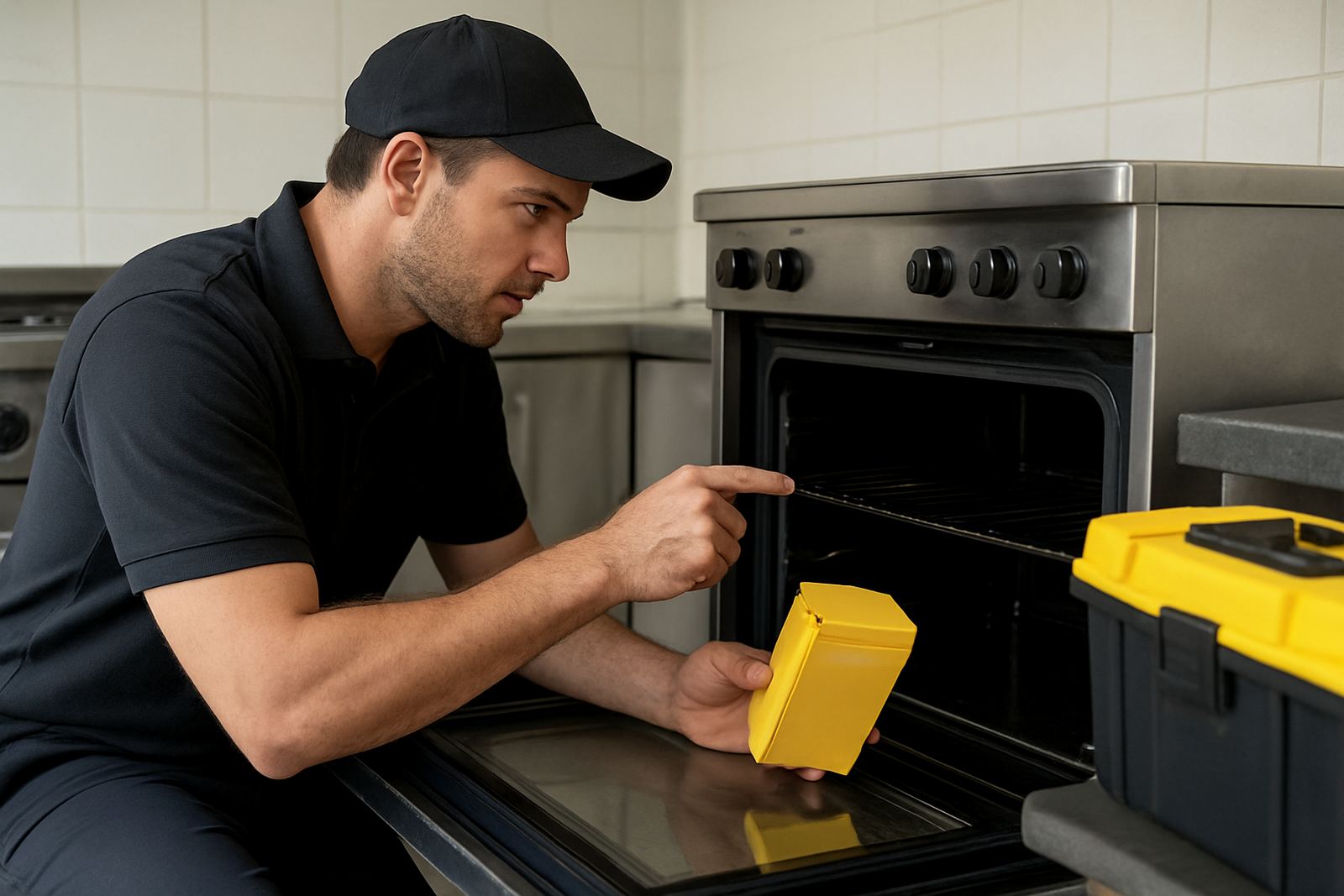
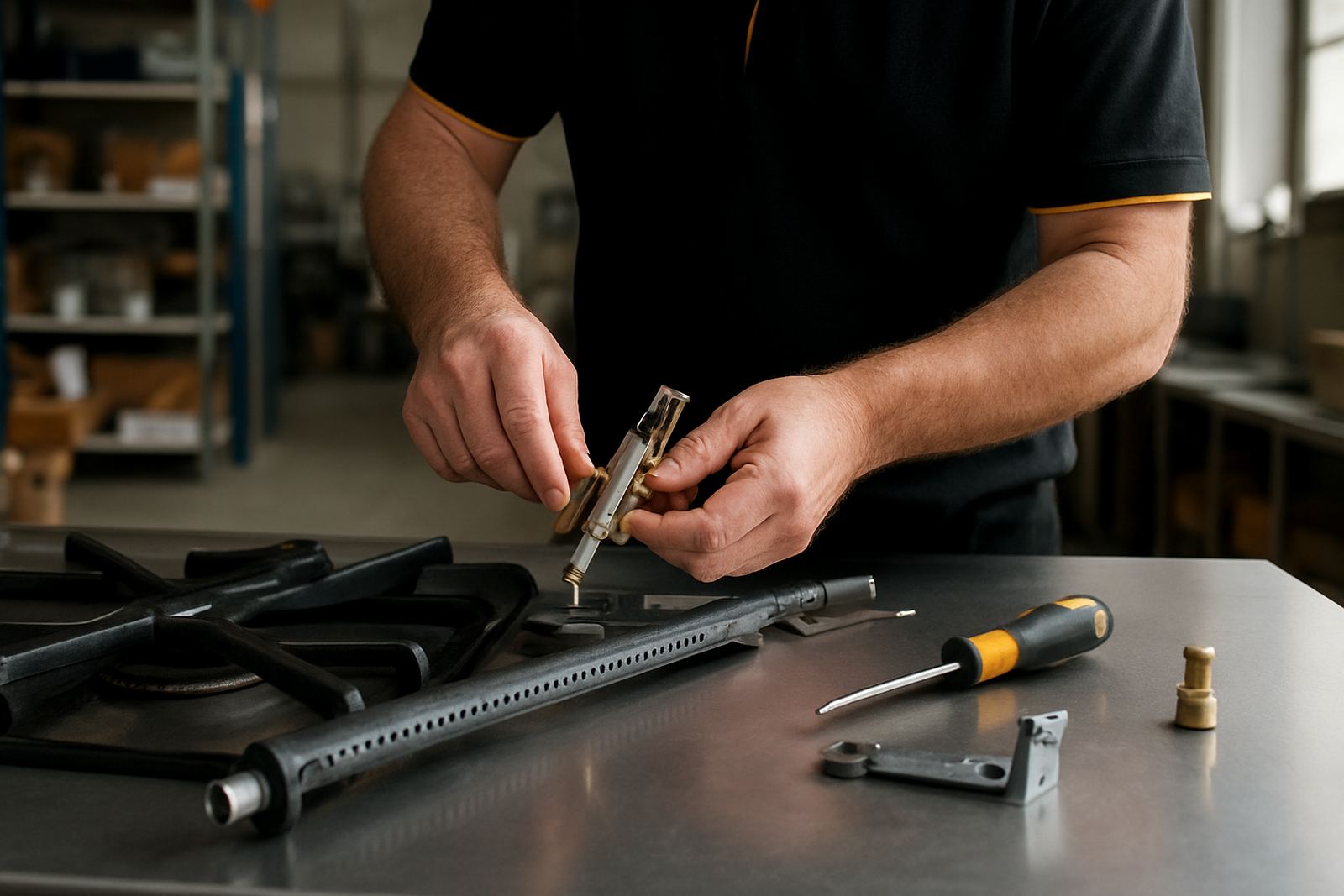
This service suits ovens, deep fryers and some dishwasher heating assemblies that use burner type components. We check the condition of the burner head, injectors, brackets, seals and ignition points, then fit the correct part for the appliance make and gas type. If the unit is on LPG or natural gas, the fitting method and jet size must match the application, not guesswork.
What is included in the fitting visit
Every site is different, but a proper burner fitting usually includes the following checks and work:
- Confirm the appliance model, gas type and burner size before fitting
- Check jet sizing and compare it to the required gas pressure and load
- Inspect burner alignment, brackets, seals and mounting points
- Fit the burner and reconnect gas, ignition and flame sensing parts where applicable
- Test flame spread, ignition speed and stability across the burner face
- Look for yellow flame, lifting, popping or uneven heating after installation
We also check for signs of related wear such as cracked gaskets, blocked ports and damaged switches near the burner area. In many kitchens, especially in coastal towns like Durban and Gqeberha, corrosion can affect fasteners and fittings faster than expected so a full visual check helps prevent repeat failures.
How we handle the job from identification to test burn
We start with part identification. If you send a photo, model number or old burner sample, our team checks compatibility before dispatch or fitting. That saves time and avoids fitting a part that looks right but does not match the jet pattern or heat output needed for the appliance.
Once the correct burner is on hand, the process is straightforward: isolate the unit, remove the worn burner, clean the mounting area, fit the replacement and carry out a controlled test burn. During testing we look for a steady blue flame, even distribution across the burner ports and no flame roll-off at the edges. If the appliance uses electronic ignition, we also check spark position and response time.
- Initial part matching and compatibility check
- Removal of worn or damaged burner parts
- Cleaning of the fitting area and inspection of nearby seals
- Burner installation and secure reconnection
- Post-fit testing and user handover notes
Turnaround times and dispatch from Midrand
For national orders, turnaround depends on stock availability and where the kitchen is located. Many common burner parts can leave Midrand the same or next working day if ordered early. Onsite fitting in Johannesburg and Pretoria areas is often faster than outlying regions, while deliveries to Cape Town, Durban and Bloemfontein are usually planned around courier cut-off times.
We work around real kitchen pressure, including load-shedding schedules, weekend trading and early morning prep. If a burner fault has closed part of the line, we can prioritise identification and dispatch first, then arrange fitting once the part is confirmed. In some cases, a temporary safe shutdown is better than forcing a poor flame pattern through service hours.
Pricing approach and what affects the cost
Pricing for burner fitting depends on the appliance type, part required, access to the unit and whether the job is done onsite or from our workshop flow. A simple burner swap on an accessible fryer is different from a built-in oven repair where panels, controls and seals need extra handling. We quote based on the actual work, not a flat guess.
What usually affects cost:
- Gas type and burner size required
- Whether the burner is standard or special order
- Travel distance for onsite fitting
- Extra parts such as jets, seals or ignition components
- Urgency of the callout or dispatch
If we find a second issue during the job, such as a worn thermostat or split gasket, we will flag it before proceeding. That keeps the repair honest and helps avoid another breakdown a week later.
Keeping burner performance stable after fitting
After fitting, routine maintenance makes a big difference. Kitchens in humid areas and busy sculleries can build up grease, dust and salt air residue that block burner ports or affect airflow. A quick clean and visual check at the right interval keeps flame spread even and reduces gas waste.
As a guide, we suggest these maintenance intervals:
- Weekly wipe-down of visible burner areas in high-use kitchens
- Monthly check for soot, uneven flames and loose fixings
- Every 3 to 6 months for a deeper inspection in heavy-use sites
- Immediate inspection after a gas smell, yellow flame or delayed ignition
For bakeries, canteens, hotel kitchens and takeaway sites with long trading hours, shorter inspection intervals make sense. A burner that is fitted correctly today can still drift out of spec later if grease, rust or poor cleaning practices are left unchecked.
Key facts
| Service type | Burner fitting for commercial kitchen equipment |
|---|---|
| Appliance range | Ovens, fryers and dishwashers with burner assemblies |
| Key checks | Jet sizing, alignment, ignition and flame spread |
| Coverage | National online support with dispatch from Midrand |
| Turnaround | Same or next working day on many common parts, stock dependent |
| Support options | Part identification, onsite fitting and post-fit testing |