What post-fit testing covers after a parts change
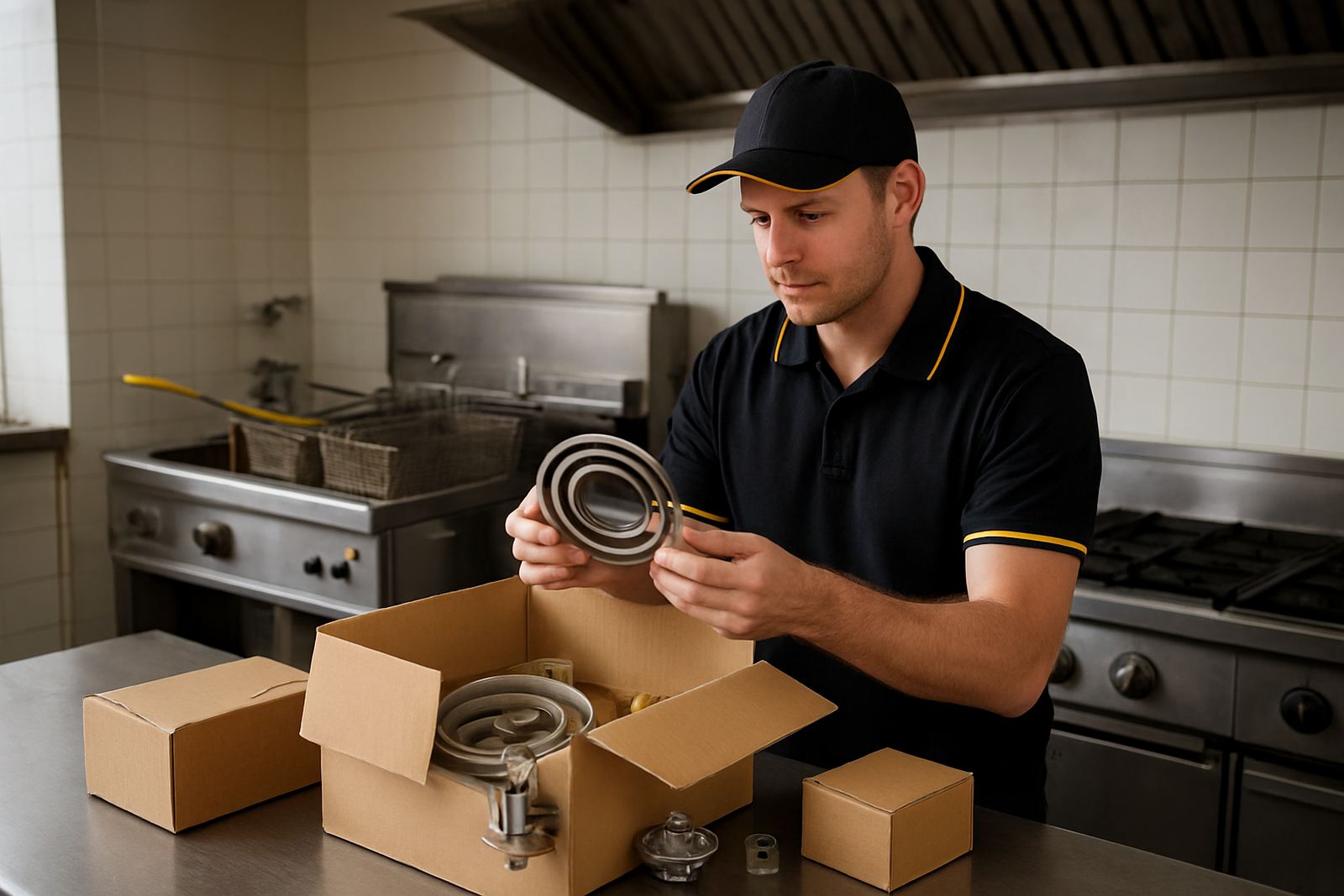
Post-fit testing is the final check after an element, thermostat, gasket, burner, switch or related component has been fitted. We look at how the appliance behaves once it is powered up, warmed through and taken through a normal cycle. That matters in commercial kitchens where a small fault can hold up breakfast prep, spoil a lunch run or leave a dishwasher sitting idle after a service call.
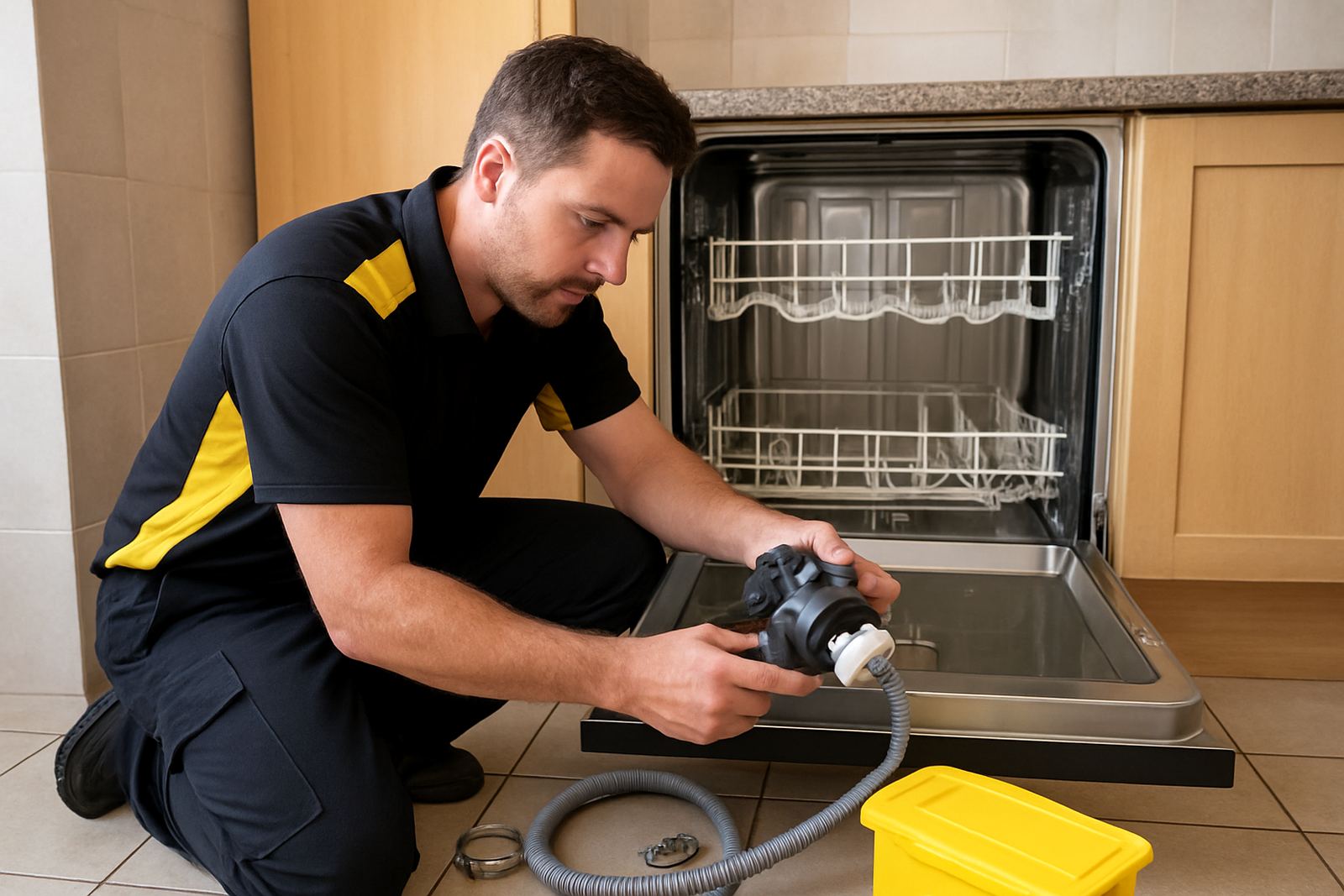
The aim is simple. We confirm the replacement part is operating in the correct range, the unit is not tripping or cutting out early, and any seals or closures are doing their job. On ovens and fryers, that includes temperature rise and cut-out response. On dishwashers, it includes water temperature, cycle finish and door seal checks. In the right setting, this saves a second call-out and helps catch issues caused by worn wiring, bad contacts or poor alignment that only show up once the machine is hot.
- Heating rise and temperature hold checks
- Safe shutdown and cut-out response
- Door seal, latch and closure inspection
- Leak, trip and short-cycle checks where relevant
How our technicians test the fitted part
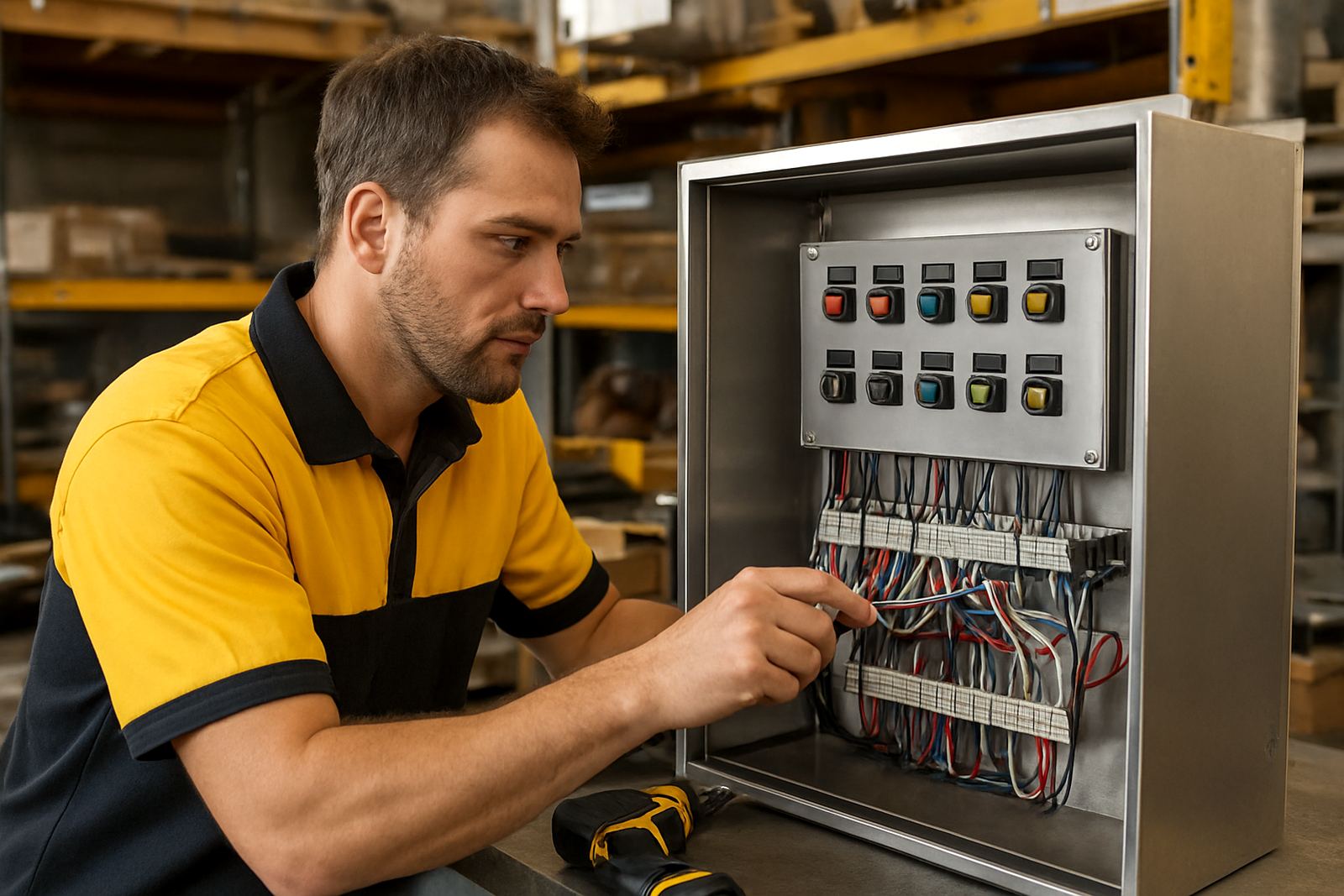
We start by checking the installation against the appliance type and the original symptom. If a fryer element was changed, we confirm the heat-up rate and watch for uneven draw or a delayed response. If a thermostat or switch panel part was replaced, we test control movement, set-point behaviour and recovery. On oven work, we also look at fan assist, gasket contact and whether hot air is escaping around the door or frame.
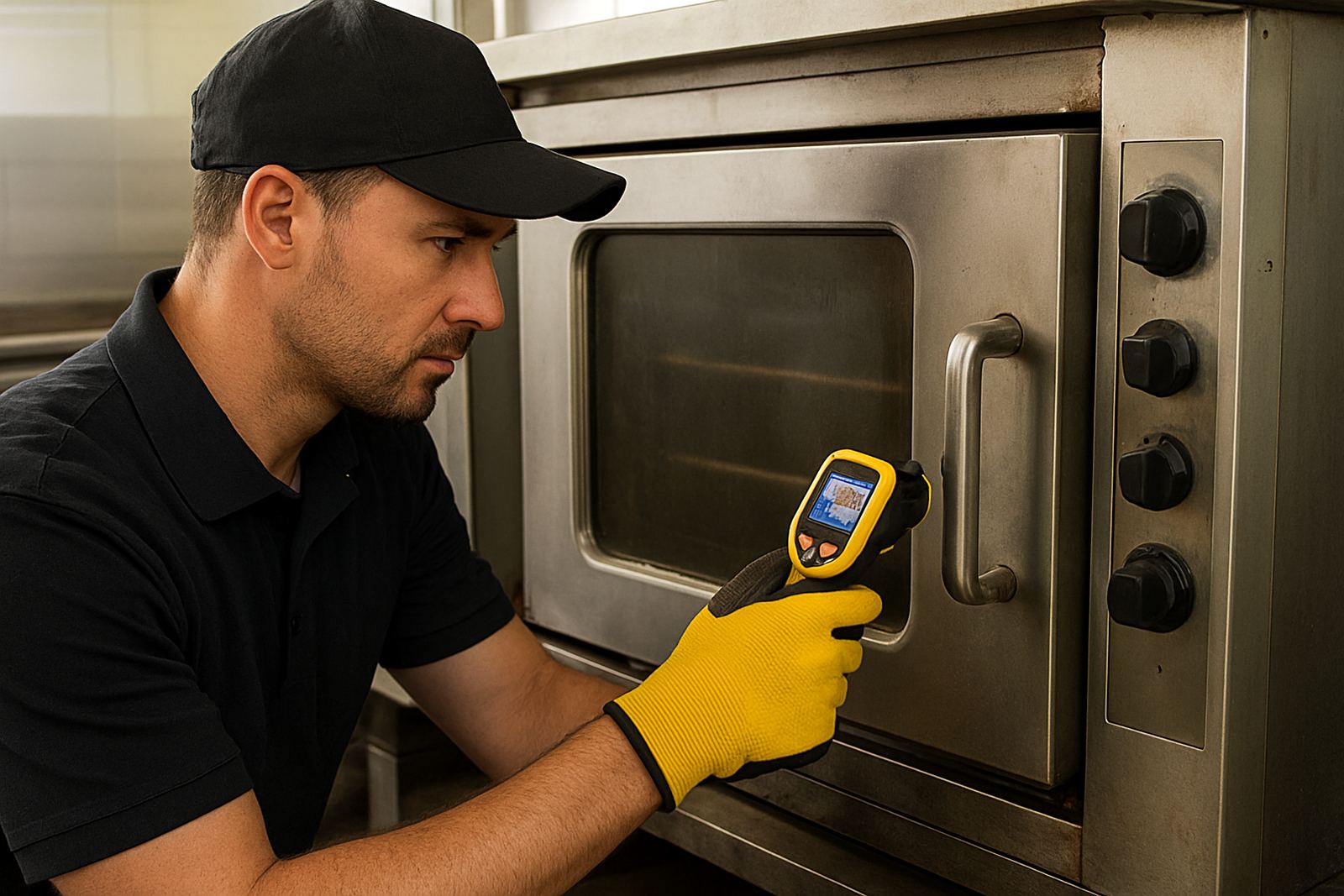
Our technicians use practical checks that suit busy kitchens. That can include multimeter readings, visual inspection, live cycle observation and temperature verification using suitable test equipment. If the unit is in a site with load-shedding or power dips, we pay extra attention to restart behaviour and whether the appliance returns to safe operation without nuisance tripping. Coastal humidity in places like Durban and Port Elizabeth can also affect connectors and contacts, so we look for corrosion or moisture related issues while the unit is still warm.
- Electrical continuity and live load checks
- Thermostat action and recovery testing
- Seal contact, latch pressure and airflow checks
- Inspection for arcing, loose terminals and heat damage
Step-by-step process from fitting to sign-off
Our process is organised so the kitchen knows what to expect. First, we confirm the fitted part and the appliance model. Then we run the unit through a controlled test cycle. If the result is clean, we provide feedback and the equipment can return to duty. If not, we identify the cause and advise the next step before the fault becomes a bigger repair.
For many Midrand, Johannesburg and Pretoria sites, testing can be done immediately after the fitment while the machine is still on site. For larger kitchens, franchise operations or institutional canteens, we can schedule testing around prep windows to keep disruption low. That is especially useful when one oven bank or fryer line must stay open while the other is being checked.
- Confirm part fitted and inspect connections
- Run live test cycle under working load
- Check for correct heat, timing and shutdown
- Record findings and advise on follow-up if needed
Turnaround times for fast-moving kitchens
Turnaround depends on the appliance type, the part fitted and site access. Straightforward post-fit testing on a single oven, fryer or dishwasher can often be completed on the same visit as the fitting. More complex jobs, such as switch panel repairs or multi-part oven work, may need a longer test window to make sure every control stage behaves properly. We keep the timetable practical and clear so the kitchen manager knows when the unit can be released.
For national clients, dispatch from Midrand makes it easier to get parts out quickly, then align testing with the local fitting plan in Johannesburg, Pretoria, Durban, Cape Town or Bloemfontein. If a kitchen is operating on backup power, we may also recommend a second check after normal mains supply returns, because a unit can behave differently under generator or inverter conditions. That extra check often avoids repeat faults.
Pricing approach that keeps the repair job clear
We price post-fit testing according to the equipment type, the number of checks needed and whether the work is done as part of a fitting job or as a stand-alone visit. Simple verification after one replacement part is usually priced differently from a full appliance assessment with multiple test points. Where possible, we quote clearly before work starts, so there are no surprises at sign-off.
For commercial buyers, it is usually better to treat testing as part of the repair budget rather than an extra. A failed thermostat, a loose oven door seal or a burner that is not shutting down correctly can cost more in wasted gas, spoilage or downtime than the test itself. We keep the approach practical and itemised, which helps when you are managing several kitchens or comparing maintenance costs across sites.
Recommended maintenance intervals and warning signs
Post-fit testing should happen every time a working part is replaced, but it is also worth repeating during routine service intervals. Ovens and fryers in heavy daily use should be checked after any major electrical part change and again during scheduled maintenance. Dishwashers, especially in high-volume kitchens, should be tested whenever a gasket, heater or switch component is replaced and after any sign of leaking or slow cycle completion.
Look out for these warning signs between services: uneven heating, longer warm-up times, a smell of burning insulation, water escaping around the door, a fryer not reaching temperature, or a unit that cuts out and restarts without reason. If a kitchen in a humid area near the coast is showing repeated faults, corrosion on terminals or seal wear may be part of the problem. A quick test now is usually cheaper than a service shutdown later.
- Test after every part replacement
- Repeat during planned maintenance visits
- Check sooner if heating slows or trips recur
- Inspect seals and terminals in humid or busy sites
Key facts
| Service type | Post-fit testing after spare-part replacement |
|---|---|
| Appliances covered | Ovens, fryers and dishwashers |
| Core checks | Heat rise, shutdown, seals, leaks and control response |
| Dispatch base | Midrand |
| Coverage | National online support with local site coverage |
| Typical trigger | After fitting an element, thermostat, gasket, burner or switch part |