Why school kitchens need a small spare-parts shelf
A school kitchen usually works to a fixed clock. Breakfast, lunch and prep times do not move because a fryer, oven or dishwasher has decided to stop heating. That is why schools do better when they keep a small, practical stock of parts that fail more often than others.
The best approach is not to overbuy. It is to keep the items that match the equipment already installed and the parts that can be changed quickly by a competent technician. In many schools, a failed thermostat or burnt element can be sorted same day if the spare is already on site. If the part must still be sourced, the kitchen can lose a full service window, and sometimes the whole meal plan for that day.
Parts that fail often in school kitchens
Commercial kitchens in schools see high daily use, often with different people operating the same machines. That means wear happens faster than in a home kitchen. The parts below are worth considering for a basic stock, especially in busy kitchens serving hundreds of learners.
- Oven elements for top and bottom heat sections
- Thermostats for ovens, fryers and hot holding units
- Door and chamber gaskets for ovens and dishwashers
- Burners and ignition-related parts for gas equipment
- Switches, selector knobs and switch panels
- Dishwasher seals and spray-related wear parts
It helps to note the model, voltage, dimensions and connection type for each unit. A 230 V element with a certain flange size will not suit every oven, and a gasket that looks close enough may still leak steam or heat.
How to avoid buying the wrong spare
The most expensive spare is the one that sits on a shelf and never fits. Before ordering, schools should identify the exact machine, the failed part and the working conditions around it. Coastal schools in places like Durban often see more moisture and corrosion, while inland schools may see more dust and heat stress. Those details affect part choice.
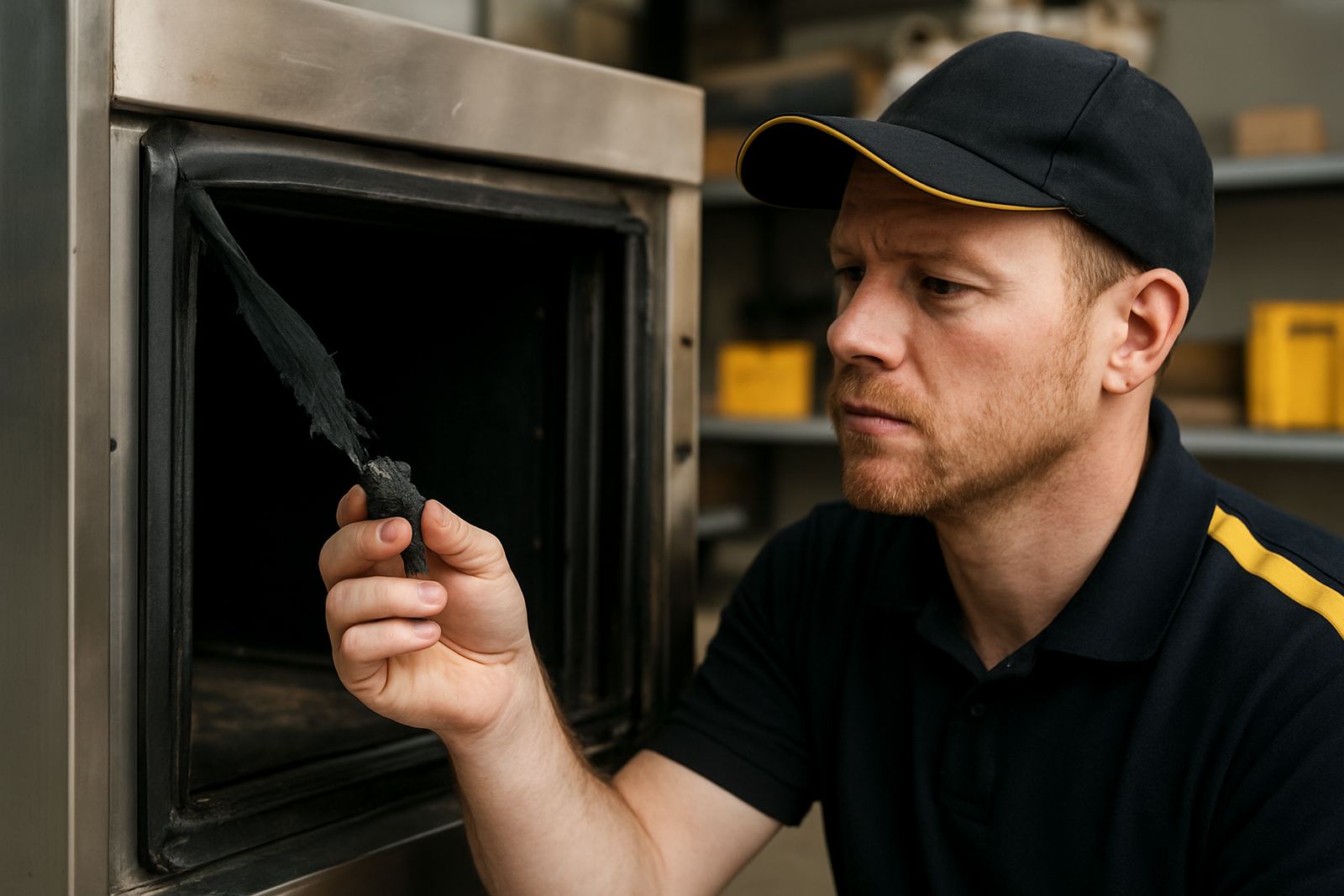
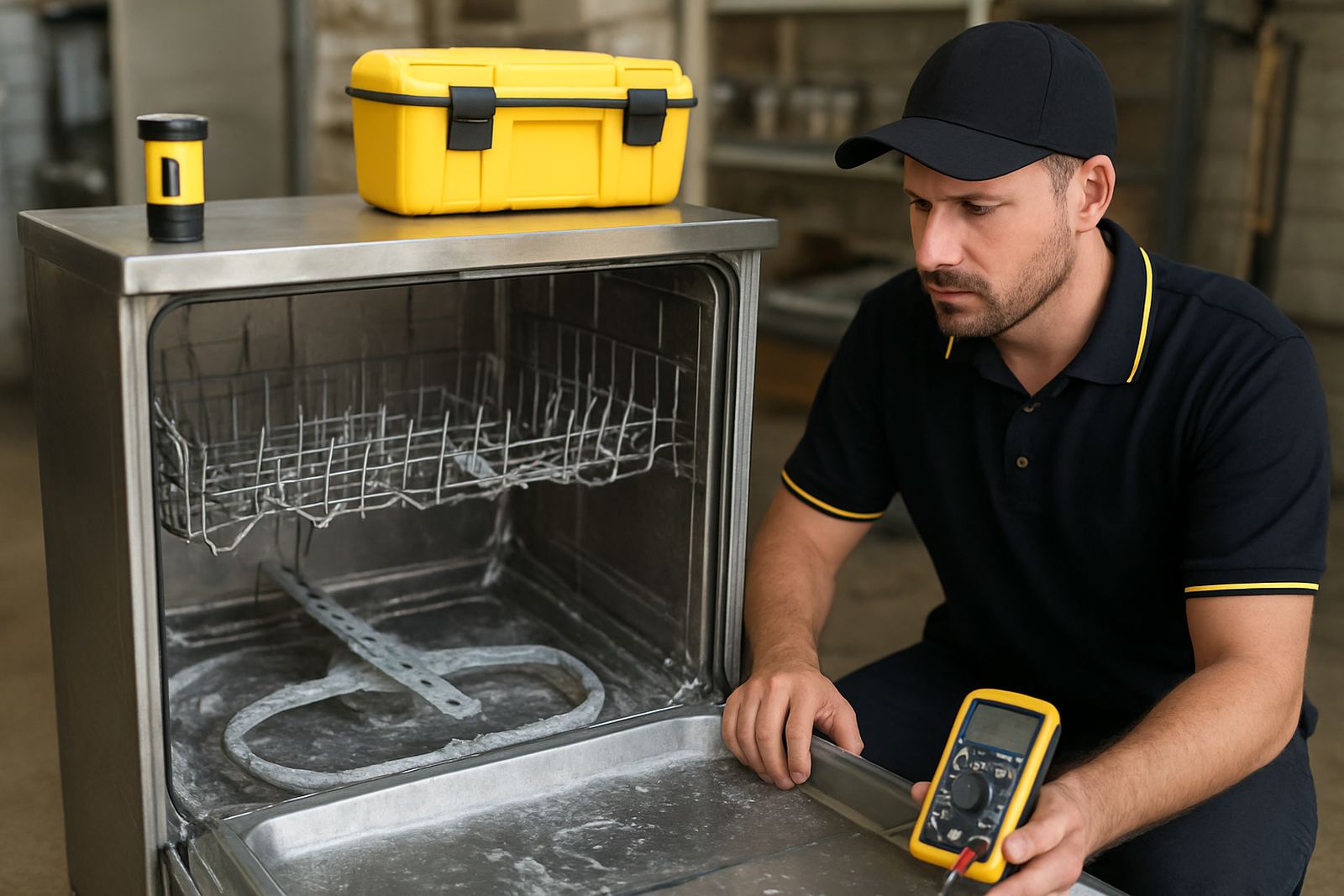
For example, a dishwasher gasket that has swollen from heat and detergent may hide the true size you need. An oven element with burnt terminals may need photos from several angles before a replacement can be matched. If you are unsure, send clear pictures, measurements and the appliance details to a parts team that understands commercial kitchen equipment, not just general hardware.
- Take a photo of the equipment plate before anything is removed
- Measure length, width, fixing points and terminal positions
- Check whether the unit is electric or gas
- Keep the old part until the replacement is confirmed
- Record which kitchen or block the appliance is in
A simple stock plan for primary and high schools
Schools do not need to keep a warehouse of spares. A clean, labelled cupboard with a short list of approved items is usually enough. The idea is to cover predictable failure, not every possible breakdown. If a school has two ovens, one fryer and a dishwasher room, it can plan around those exact units and their common wear parts.
A practical stock plan might include one spare element for each main oven type, a thermostat for the busiest fryer, one or two matching gaskets, and a set of common switches. Schools with older equipment may need a little more backup because older units can be harder to match quickly. Keep the items dry, boxed and marked with the date purchased. In coastal areas, a sealed container helps stop rust on terminals and fittings.
For larger school groups or boarding facilities, it makes sense to separate spares by site. That way, the kitchen in Pretoria does not end up waiting for a part that has been moved to another campus in Midrand or Johannesburg.
When to fit and when to call for support
Some parts can be swapped quickly, but the fitting still needs care. A thermostat fitted badly can cycle at the wrong temperature, and a new element can fail early if terminals are loose. In a school, that can mean extra power use and more downtime, which is the last thing any bursar wants to explain during term time.
Use a proper fitting plan for anything involving heat, gas or water. Post-fit testing matters because the machine may start, yet still not heat evenly or seal properly. If the job involves a dishwasher part, check for leaks and wash pressure before the kitchen goes back into service. If it is a fryer or oven, confirm temperature rise and safe shutoff. One small test after fitting can save a much bigger repair later.
- Test the appliance before the first service rush
- Check seals, cables and terminals after the first heat cycle
- Look for unusual smells, slow heating or tripping breakers
- Log the date, part fitted and person who signed it off
A local example from a busy school kitchen
A school in the north of Johannesburg called in after an oven stopped holding temperature on a Wednesday morning. The kitchen was still managing tea time, but lunch for nearly 900 learners was already under pressure. The issue turned out to be a failing thermostat and a worn element, both of which had signs of trouble for a few weeks but had not been stocked on site.
Once the parts were identified, the school set up a small spare list for the exact ovens and fryer in that kitchen. The next time a switch failed, the part was already there and the technician finished the repair before the lunch line opened. That is the real value of spare planning. It is not about spending more, it is about keeping meal service on track without panic buying at 10:30 on a school day.
For schools with multiple campuses, a simple parts register also helps with budget control. You can see what fails most often, which items need replacing each year, and where load-shedding or heavy use has caused extra wear.