Why seasonal spares matter before the rush
In South Africa, the busy periods come with their own pressure points. December functions, winter heating loads, school holiday trade, long weekends, wedding season, and end of month service spikes can all push commercial kitchen equipment harder than usual. When a heater element fails on a Saturday morning or a dishwasher switch goes just before lunch, the cost is not only the part. It is wasted staff time, delayed service, and unhappy customers.
That is why a seasonal spares list should be treated like a normal part of kitchen planning, not an emergency buy. If your kitchen already knows which parts tend to wear first, you can order early, store them properly, and avoid waiting while stock is couriered from Midrand during your busiest week. In towns with delivery delays or in coastal areas where moisture shortens the life of certain parts, planning ahead makes even more sense.
The core spares to keep on hand
Every site is different, but most commercial kitchens use the same few parts again and again. These are the items that often save a service call when something starts playing up.
- Heating elements for ovens, fryers and dishwashers
- Thermostats for temperature control and safety cut-out faults
- Door and tank gaskets for heat retention and water sealing
- Burners and ignition components for gas equipment
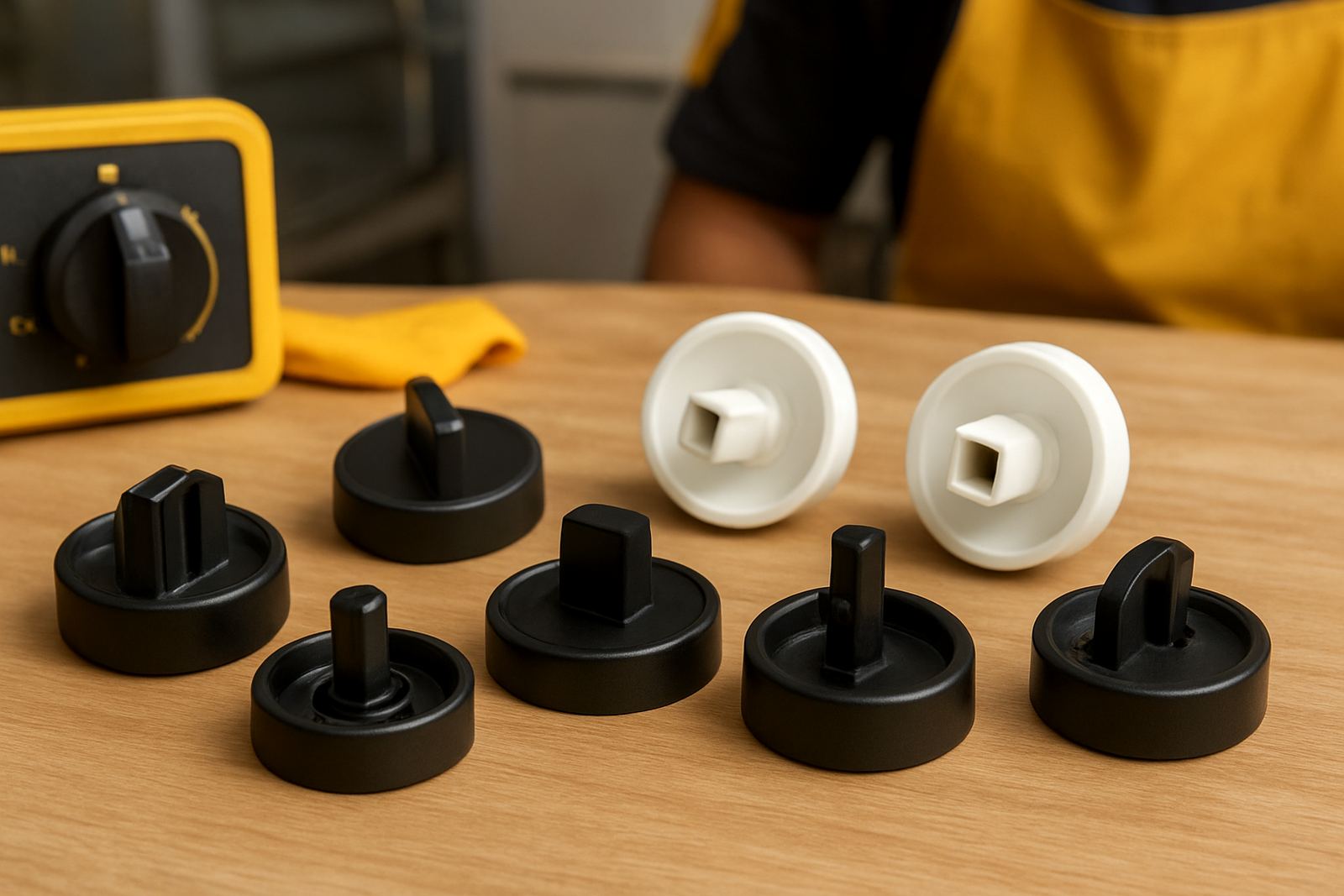
- Switches and switch panels for control failures
- Dishwasher seals, spray arm parts and related fittings
If you run a high-volume site in Johannesburg, Pretoria or Durban, it is worth holding at least one spare for the items that fail most often on your exact equipment. A single backup element or thermostat can be the difference between a short repair and a full service interruption. Keep the parts labelled clearly so the team knows what fits where, and don't mix up similar-looking items across different models.
Match the list to your trading pattern
A seasonal spares list should follow how your kitchen actually works. A hotel in Cape Town with breakfast trade, conference catering and laundry demands will need a different parts mix from a takeaway in Midrand that runs fryers hard through supper. The best list is built from what has failed before, what is likely to fail next, and what would stop service completely if it did fail.
Look back at the last 12 months and note the repeat faults. If your fryer keeps losing an element near year end, buy one ahead of the festive rush. If your dishwasher in a coastal kitchen is having seal problems because of humidity and salt air, keep gaskets on the shelf. In cold inland months, thermostat faults often show up when equipment is switched on and off more often, so that is another point to watch.
- Record the equipment make, model and serial number
- Note which parts failed more than once
- Identify which faults stop trade immediately
- Check whether the site has gas, electric or mixed equipment
- Keep fitting notes with the spare parts box
Store spares properly so they are still usable later
Ordering early only helps if the parts are stored well. Gaskets should stay flat and away from heat. Thermostats and switches should not sit in damp storerooms near mop sinks or dishwashing areas. Elements and burners should be kept clean, wrapped and marked so they do not get bent or corroded before use. On some sites we have seen spares left in a prep room with steam and grease in the air, then the part fails before it ever goes into the machine.
A simple shelf, a sealed container and a written label are usually enough. Include the date received, the machine it fits, and who can authorise use. It also helps to keep a quick photo on the phone of the old part, because matching a replacement in a hurry can be tricky if you are trying to compare two nearly identical pieces while service is waiting. Small admin steps now can save a lot of frustration later.
When to order before the busy period starts
The safest time to order seasonal spares is before stock gets tight. For many kitchens that means late winter for the summer rush, and early spring for year-end trading. If your site depends on courier delivery into smaller centres or if access is affected by holidays, load-shedding schedules or municipal disruptions, allow extra time. Midrand dispatch can move quickly, but nobody benefits if a critical part lands after the event.
Use a simple rule: if a spare would take longer than one day to source locally, keep one on hand before the season starts. If the equipment is older, even more so. Older machines can keep working for years, but their parts can become harder to match and a last-minute order may mean extra checks. It is better to confirm compatibility now than to discover the mismatch on a Friday afternoon.
Local example from a Durban kitchen
A busy Durban kitchen preparing for holiday functions noticed that one fryer was cycling unevenly and the dishwasher was leaving residue after longer service runs. The team did not wait for a full breakdown. They checked the likely wear items, ordered a spare element, a thermostat and a gasket set, and booked fitting before the festive bookings started. When the fryer later showed a fault and the dishwasher seal began leaking, the repairs were handled the same day, and service carried on without a missed sitting.
That kind of planning is simple but it works. It also suits coastal conditions, where moisture and salt in the air can shorten the life of seals and switches. A seasonal list does not need to be long, just accurate. The idea is to cover the parts that stop trade first, not to fill a shelf with items you will never use.
- Check the most heavily used machines first
- Replace any part already showing wear
- Keep one spare for the highest risk item on site
- Make sure fittings are checked after installation
What FoodServ Parts Store helps with
FoodServ Parts Store supplies spare parts for commercial ovens, fryers and dishwashers, with dispatch from Midrand to sites across Johannesburg, Pretoria, Durban, Cape Town and Bloemfontein. The team can help with part identification, compatibility checks, element fitting, thermostat fitting, gasket fitting, burner fitting, switch panel repairs, dishwasher part fitting, onsite parts support and post-fit testing. That matters when you need the right part the first time, not after three wrong orders.
If you are building a seasonal spares list, the practical move is to work from the equipment already on site and the faults it has shown before. Keep the list short, specific and realistic. A few well chosen spares are worth far more than a cupboard full of the wrong stock.