Why fryer overheating needs fast attention
Most operators notice a fryer problem only after the oil starts smoking or the chips come out dark before their time. By then, the unit has already been working harder than it should. Heat control in a commercial fryer depends on a few linked parts, mainly the thermostat, element, burner system on gas units, and the wiring or switch panel that tells the machine when to cycle. If one part drifts, the fryer can overshoot temperature and keep climbing.
In South African kitchens, this is not just a quality issue. Power cuts, voltage swings and heavy daily use put extra pressure on equipment. In coastal areas like Durban and Cape Town, moisture can also affect terminals and controls. A fryer that is overheating may still seem usable, but it is quietly damaging oil life, baskets, seals and safety fittings. That is why early checks matter more than waiting for a full breakdown.
Signs the fryer is running too hot
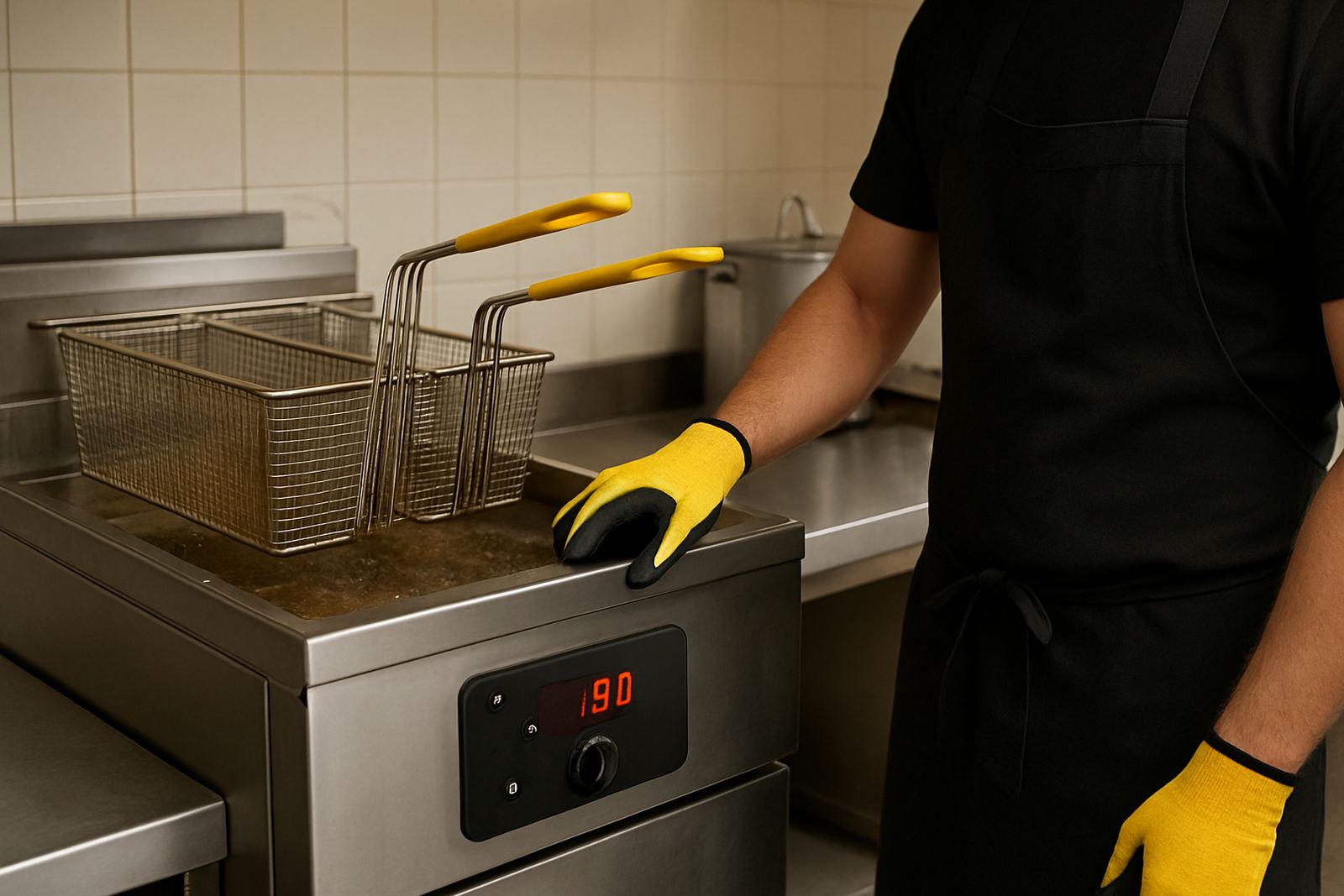
Overheating usually shows up in a few clear ways. The oil may smoke before it should, the fryer may sound hotter than normal, or the food may brown too quickly on the outside while staying underdone inside. Some kitchens also notice a sharp smell from old oil arriving much sooner than expected. If the fryer keeps tripping on safety or the thermostat feels unsteady, that is another strong warning.
- Oil smokes at normal frying temperatures
- Food colours too fast or tastes bitter
- The thermostat setting does not match the actual oil temperature
- Safety cut-outs trip more than once
- Switches, indicators or control lights behave erratically
- The unit takes too long to recover, then overshoots the set point
Sometimes the sign is simple: the fryer seems to get hotter and hotter even after the heat is turned down. That points to a control fault, worn contacts or a thermostat that is no longer reading correctly.
What usually causes the temperature to climb
A fryer does not overheat for one reason only. The trouble may sit in the thermostat, but it can also start with a faulty element, sticky control relay, damaged switch or a build-up of carbon and grease around the heating area. On gas units, burner problems and poor flame control can push temperatures up faster than expected. A bad gasket or warped cover can let heat escape unevenly, which makes the control system work harder and less accurately.
Electrical supply matters too. In areas around Johannesburg and Midrand, many kitchens deal with fluctuating load and frequent start-stop use during service. If the fryer is already aged, those conditions can expose weak wiring or tired components. A small fault can become a bigger one after a week of heavy lunch and supper service, so it helps to test the unit before the next rush.
- Worn thermostat probe or control sensor
- Stuck contacts in the switch or control circuit
- Damaged element drawing heat unevenly
- Burner issues on gas fryers
- Loose terminals or heat-stressed wiring
- Grease build-up affecting airflow and calibration
A local kitchen example from the service floor
A takeaway kitchen in Pretoria called in after noticing that their fryer oil was darkening twice as fast as before. The staff thought the oil stock was poor, but a simple temperature check showed the unit was running nearly 20 degrees above the set point. The thermostat had drifted, and one connector on the control side was heat damaged. The fryer still switched on, which is why the fault was missed for a few shifts.
Once the parts were identified and the thermostat fitted correctly, the fryer settled back into normal cycling and the oil lasted longer again. The kitchen also changed its cleaning routine to keep grease away from the control area and started checking actual oil temperature at the start of each lunch service. Small actions like that can save a lot of waste over a month, especially in busy township takeaways and contract catering sites where every litre of oil counts.
What to check before the problem gets worse
Before replacing parts, the fryer should be checked methodically. Start with the actual oil temperature against the dial or display. Then inspect the thermostat function, wiring, terminals and any safety cut-out. If the fryer uses elements, look for signs of swelling, burn marks or uneven heating. On gas fryers, check burner flame pattern, ignition and whether the unit is cycling off when it should. A quick visual inspection often shows a loose lead, cracked insulation or an oil leak near the control box.
If the unit is in a hard-working line, do not only test it when it is cold. Heat-related faults often show up once the fryer has been running for 30 minutes or more. That is when contacts expand, probes shift slightly and weak components start failing under load. Keeping a basic log of temperature readings also makes it easier to spot drift over time.
- Compare set temperature with actual oil temperature
- Check for smoke, smell and colour changes in the oil
- Inspect leads, terminals and control switches
- Look for oil leaks or heat damage around seals
- Test again after the fryer has warmed up fully
When parts replacement is the right call
If the fryer keeps overheating after cleaning and testing, parts replacement is usually the practical next step. Thermostats, elements, burners, gaskets and switches are all wear items in commercial kitchens. Replacing them at the right time protects the rest of the unit and keeps the oil usable for longer. Waiting too long can lead to damaged wiring, failed safety controls and more down-time than the price of the part itself.
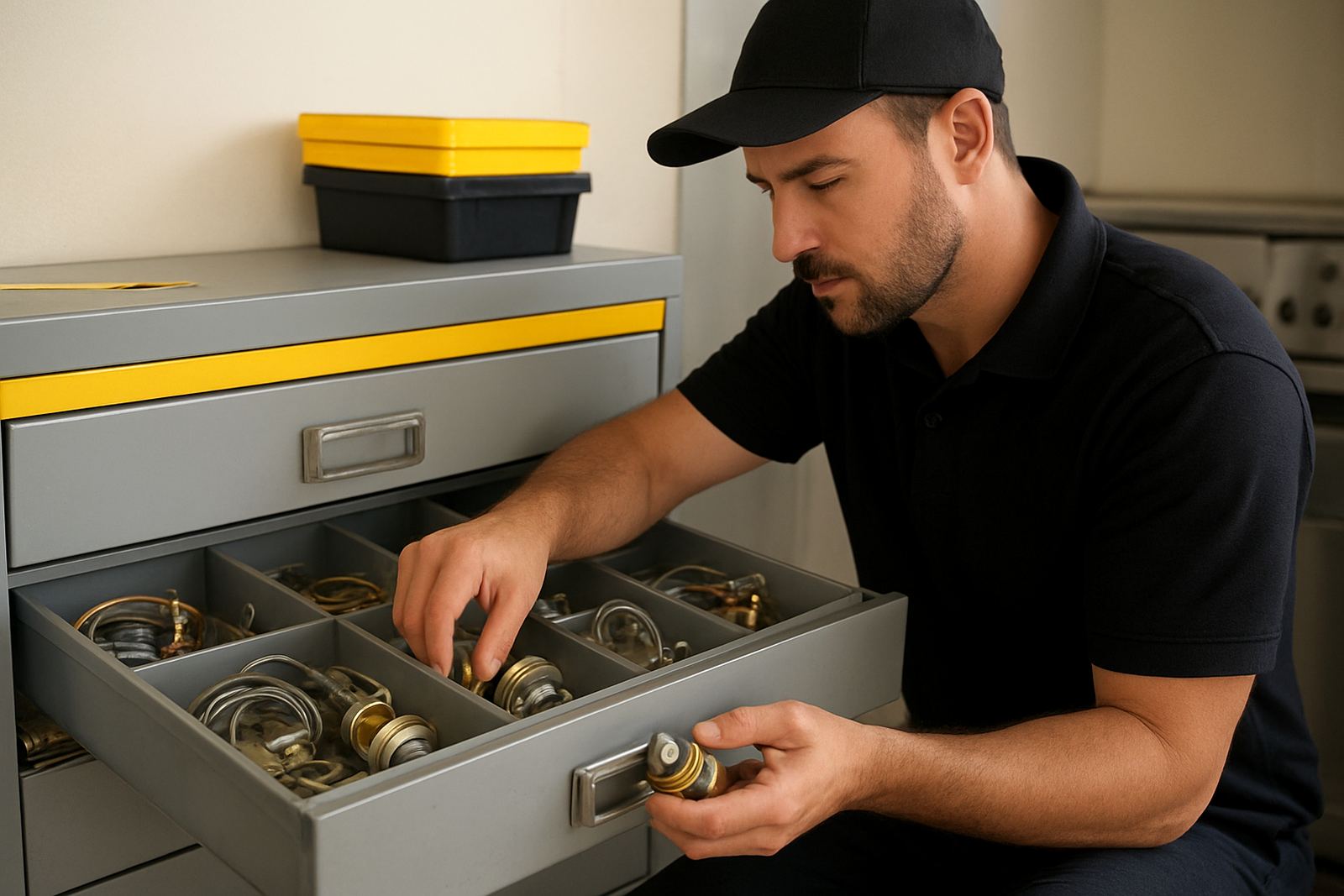
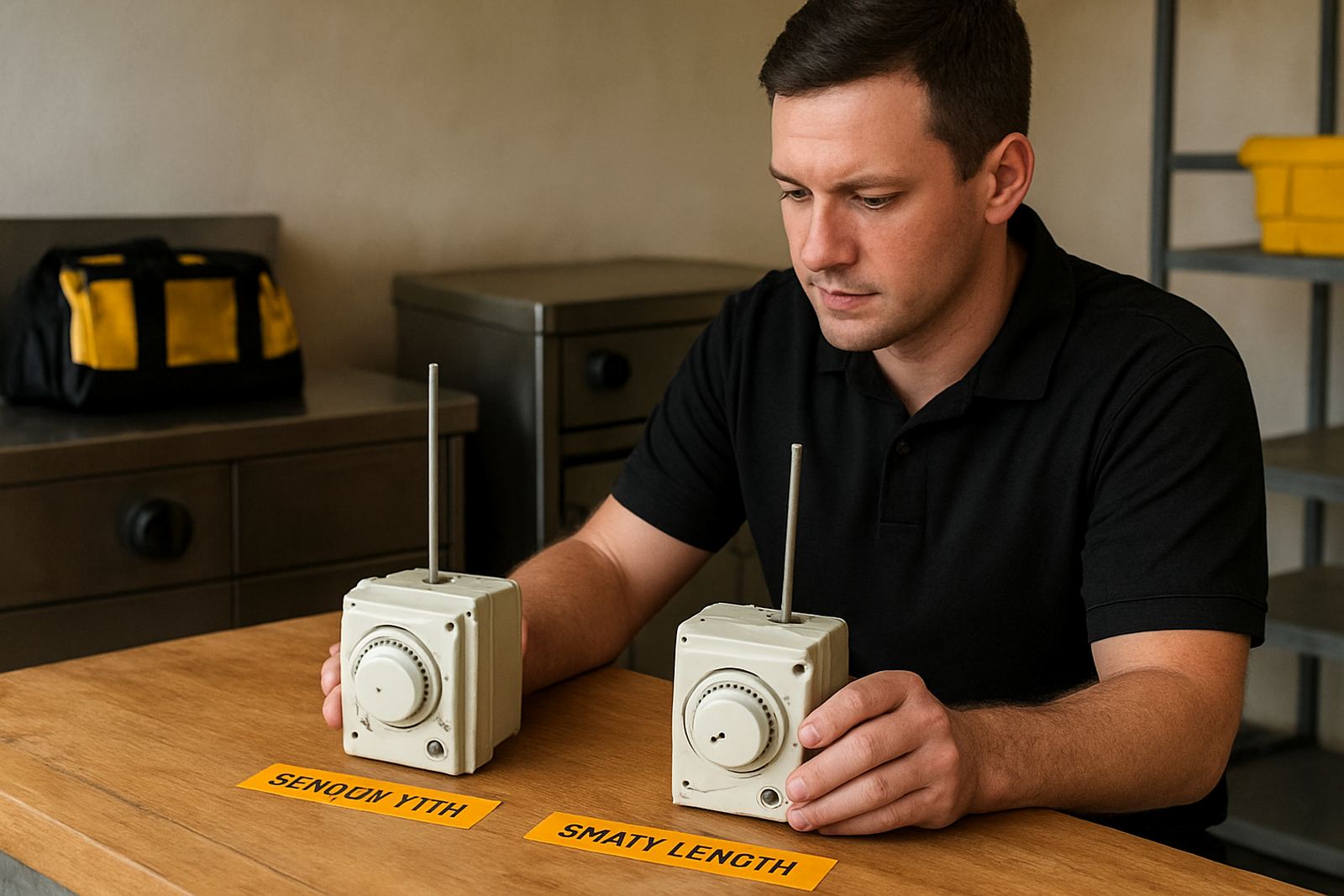
For operators in Durban, Cape Town, Bloemfontein, Pretoria or Johannesburg, the best result is a clear match between the part and the fryer model. Compatibility matters. A part that is close but not correct can create more trouble than it solves. That is where part identification, compatibility checks and post-fit testing make a difference, especially for kitchens that need the fryer back in service the same day. Sometimes the simplest fix is the right one, not the biggest one.
Keep fryer heat under control with routine support
Good fryer care is mostly about timing. Clean the unit properly, check temperatures regularly, and deal with small faults before service pressure turns them into failures. If the oil is burning too fast, the smell is changing, or the fryer is cycling badly, treat that as an early warning and not a nuisance. A quick inspection now can protect the element, thermostat and wiring from unnecessary strain.
For kitchens that need parts support, fitting help or on-site checks from Midrand and surrounding coverage areas, the aim is simple: identify the problem, fit the correct part and test the unit properly before the next rush. That approach keeps the fryer working and cuts wasted oil, which is always better than trying to nurse a unit through another week of overheat faults.