Why a small thermostat stock makes sense
In a busy kitchen, one faulty thermostat can throw off the whole line. Ovens overheat, fryers sit cold, or a dishwasher keeps running without reaching the right wash temperature. If you are managing a hotel, school, butcher, restaurant or catering kitchen, having spare thermostats on hand can reduce downtime from hours to minutes.
We see this often with sites that run long service hours or multiple shifts. A part that costs a few hundred Rand can protect a much bigger revenue stream. It also helps when load-shedding, voltage dips or heat stress put extra strain on equipment, because the first sign of trouble is sometimes a thermostat drifting out of range before it fails completely.
The point is not to fill a shelf with parts you may never use. It is to keep the few common thermostats that match your actual machines and your common failure patterns.
Which thermostats are worth holding first
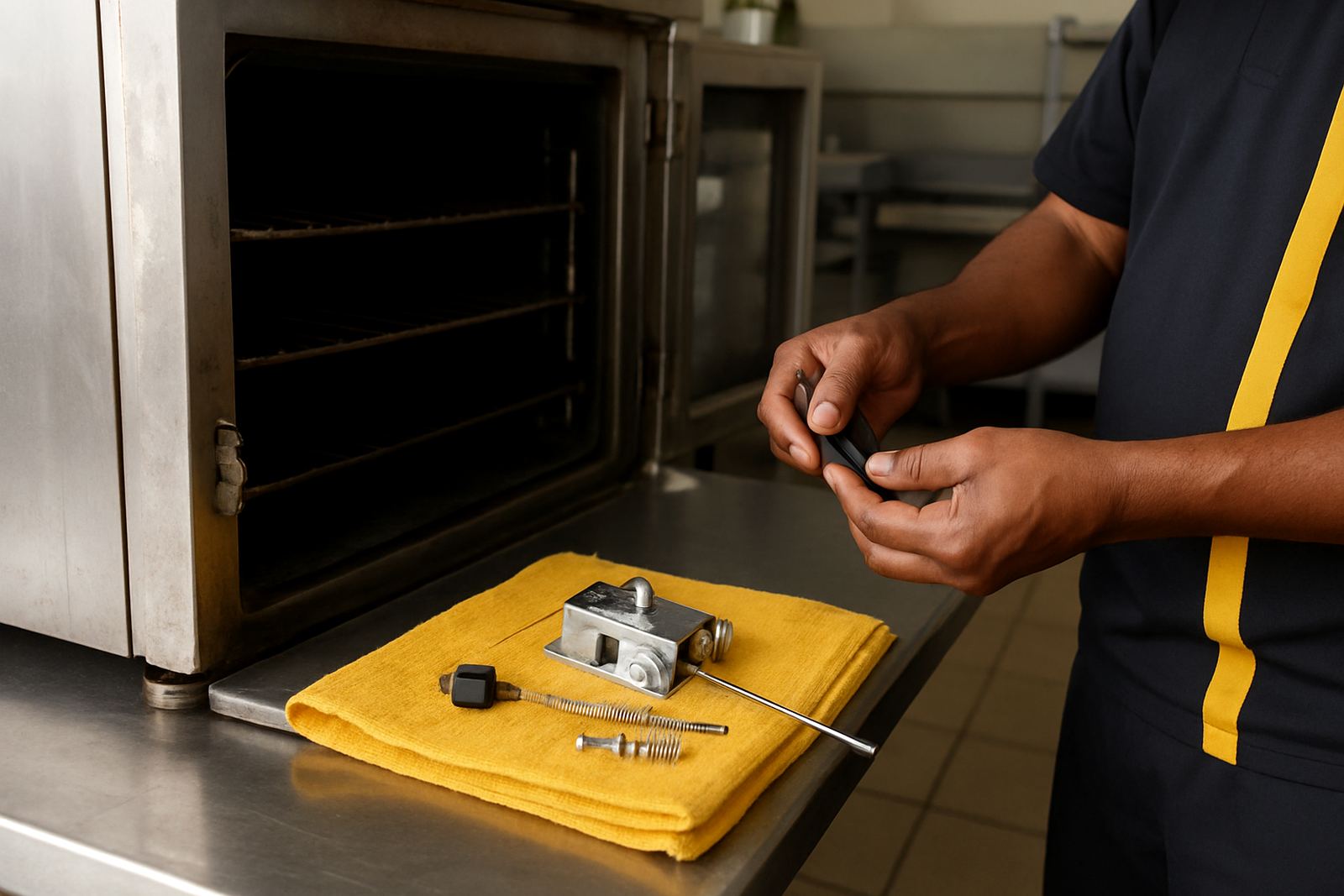
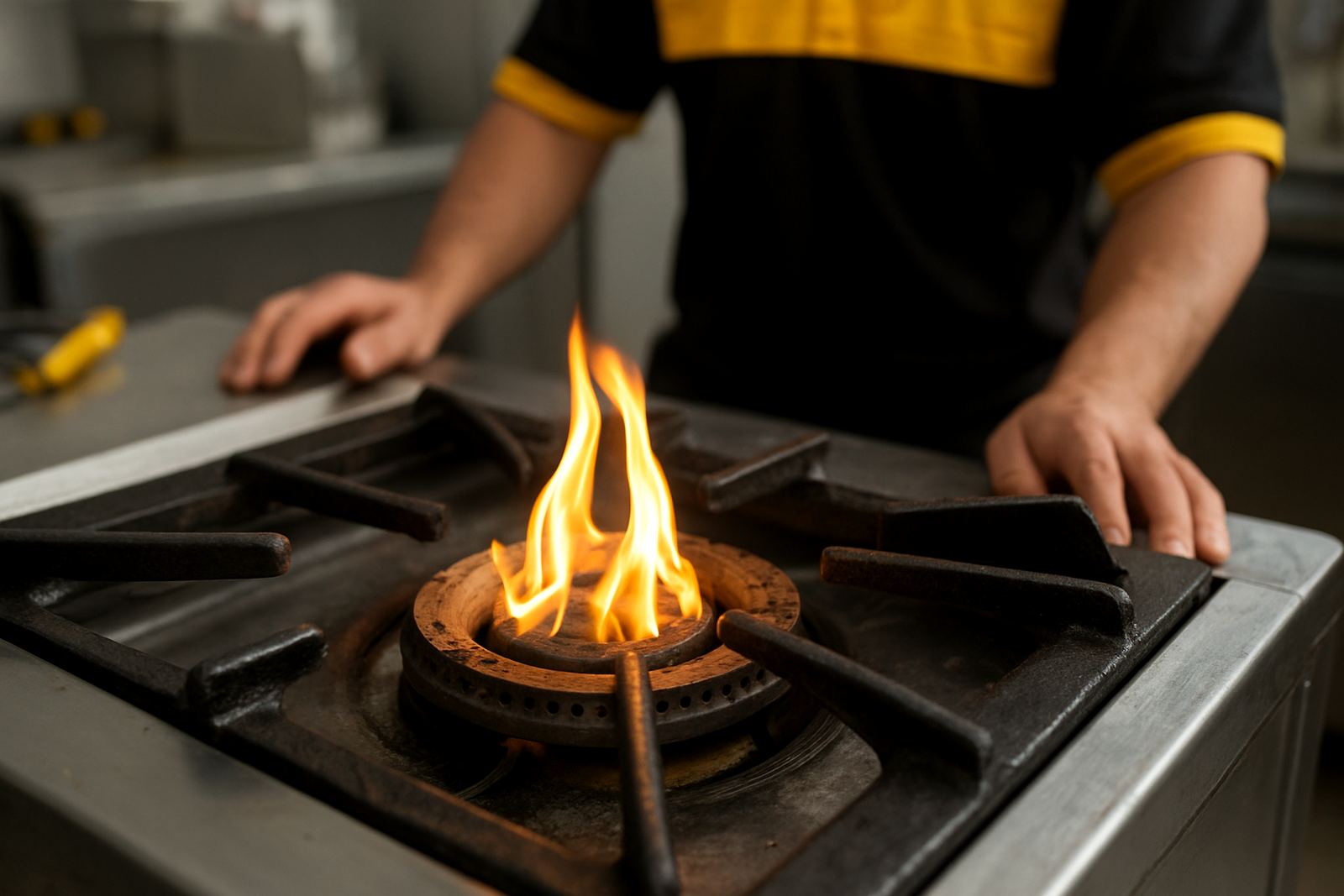
Start with the equipment that works hardest. On most commercial sites, that means ovens, fryers and dishwashers. If you run repeated service during the day, these are usually the items that cannot wait for a delivery from another town.
Do not guess by name alone. The right spare depends on temperature range, probe length, capillary length, mounting style and terminal layout. Two thermostats may look similar but still not fit the same unit. That is why compatibility checks matter before you buy, not after the old part has already been removed.
- Oven control thermostats for convection and static ovens
- High-limit safety thermostats for fryers and ovens
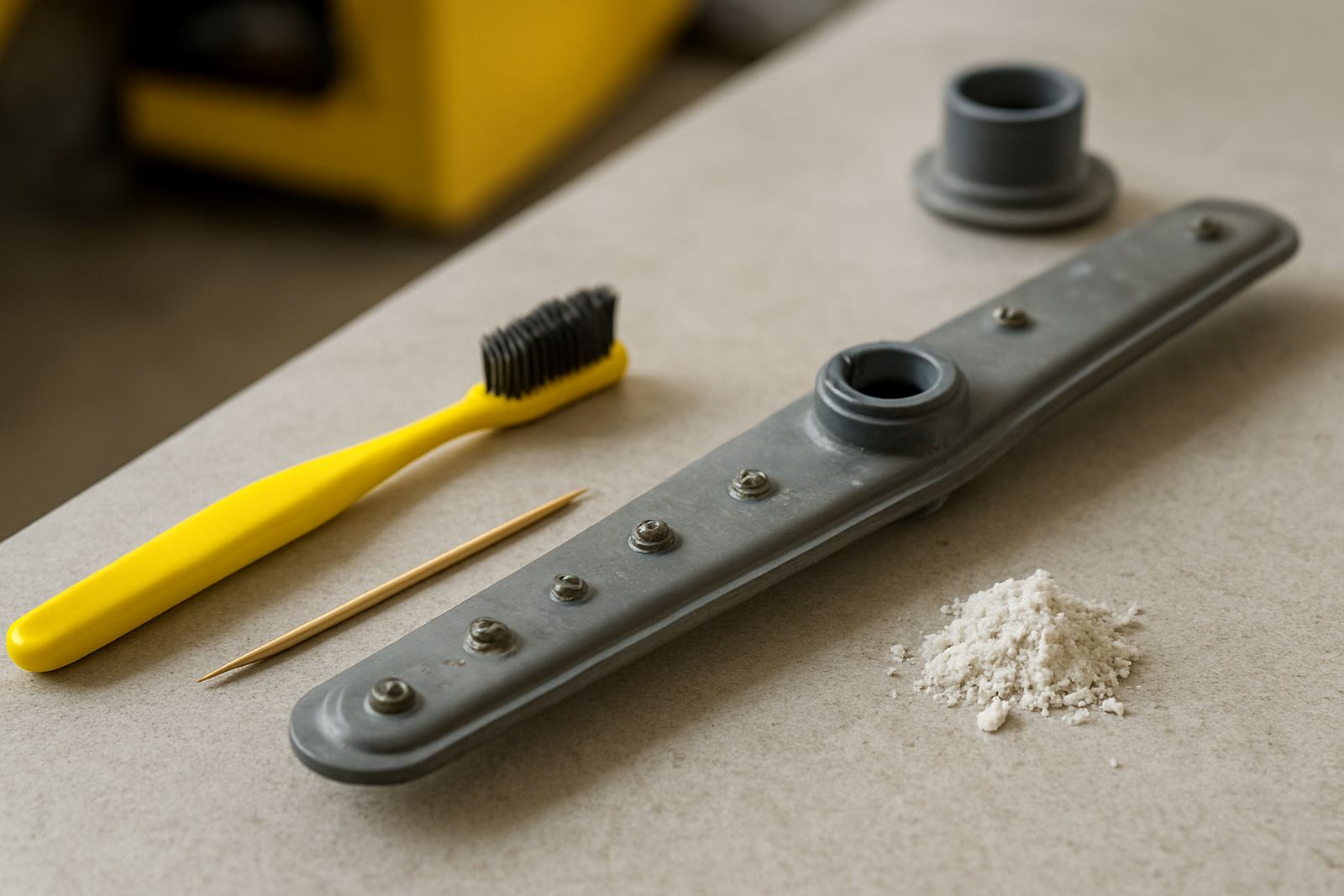
- Dishwasher wash and rinse thermostats
- Cabinet or holding unit thermostats for prep lines
- Gasket-related heat loss issues that make thermostats work harder than they should
How to match the spare to the machine
The safest spare is the one matched to the exact equipment, not just a rough description. Before you place stock, record the make, model number, serial number and the old part details. In some cases you may also need the temperature range, capillary length and whether the sensor bulb sits in a pocket, clamp or threaded fitting.
At our Midrand base, we often help customers compare a removed part against the machine plate and the wiring layout. That simple check prevents a lot of wasted time. It also helps to keep a photo of the connected wiring before removal, because rushed reinstallation can cause nuisance faults or false readings.
If your kitchen uses imported equipment, hold one spare for the most common high-failure thermostat first. Then build from there based on actual use and not theory. A small but accurate stock is better than a box of near-matches that never fit.
Why coastal kitchens and busy sites need extra care
Thermostats do not fail only because they are old. Grease, cleaning chemicals, steam and vibration all shorten service life. On the coast, humidity and salt air can speed up corrosion on terminals and connections. In inland kitchens, dust and heat build-up can cause similar trouble if equipment is not cleaned and checked on schedule.
That is why larger sites in Durban, Cape Town or Port Elizabeth style coastal conditions often keep more spares than inland sites. A fryer in a beachside hotel kitchen may work harder and see more moisture, while a busy Johannesburg canteen may run long hours with frequent switching on and off. Different conditions, same result, parts wear out faster than expected.
Good stock control should match those conditions. If a thermostat has already caused one breakdown, do not wait for the second one to fail before you replace it too.
When to fit a spare and when to test first
Not every temperature problem means the thermostat is the only fault. A failed element, burnt switch, damaged probe or poor door seal can make the same machine seem temperature unstable. That is why a proper diagnosis saves money. Fit the spare when the part is confirmed faulty, or when the site needs a quick return to service and you have already ruled out the other causes.
For ovens and fryers, we often recommend a simple post-fit test to confirm the unit reaches temperature, holds it and shuts off correctly. On dishwashers, the test should include a full cycle and a check that the wash and rinse temperatures are correct. If the machine still behaves erratically, there may be wiring or sensor issues that need attention.
It is better to replace the correct thermostat once than to swap parts three times. That saves labour, prevents repeat visits and keeps the kitchen running with less fuss.
A practical stock plan for larger kitchens
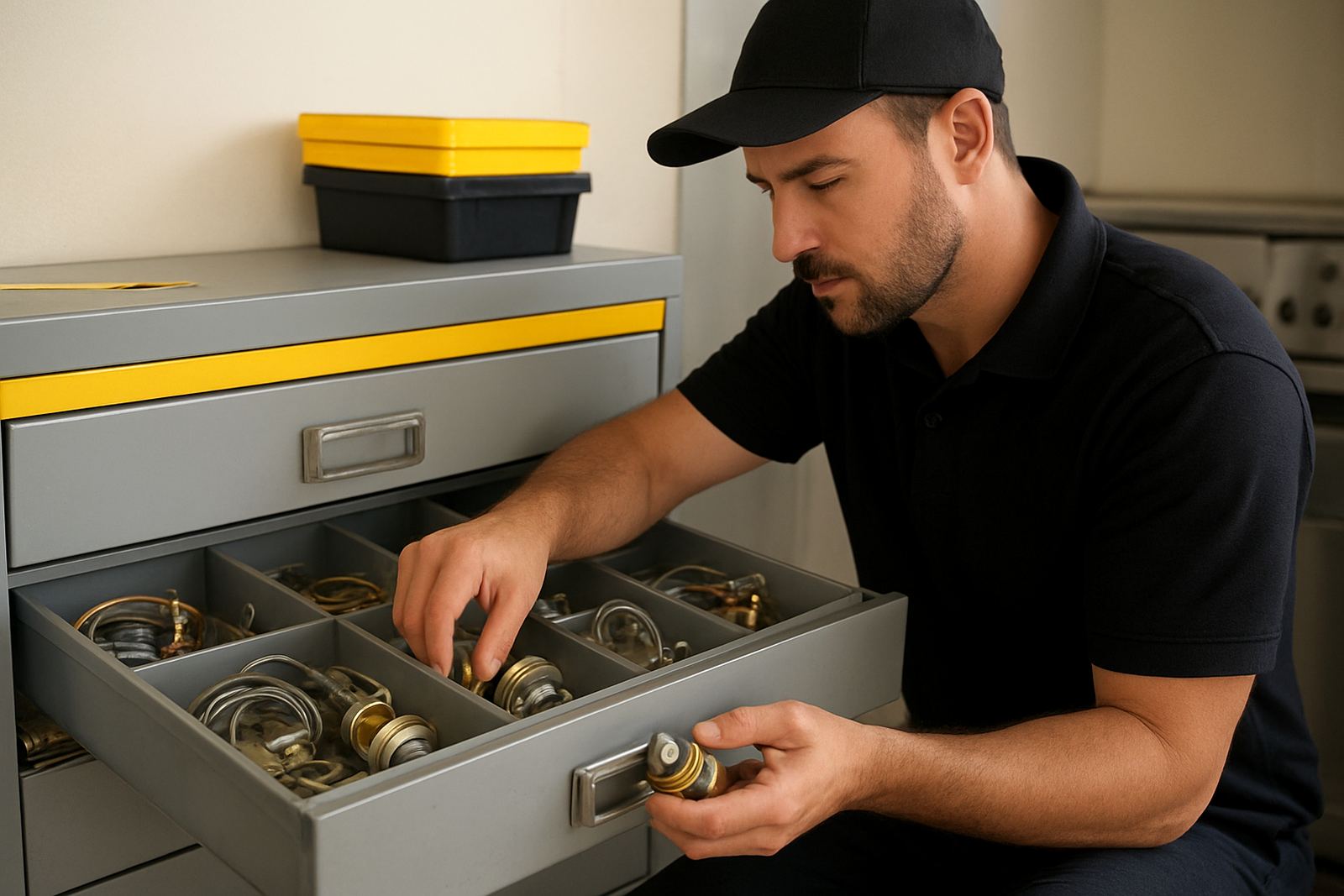
A sensible thermostat stock plan does not need to be complicated. One or two common control thermostats, one high-limit safety thermostat and a record of where each fits can cover a lot of ground for a larger site. If you have multiple kitchens, group the spares by location or equipment type so the right part is easy to find in an emergency.
For example, a food production site in Midrand that supplies branches across Johannesburg may keep a spare for the main oven bank, one for the fryer line and one dishwasher thermostat in a labelled parts cabinet. That way a morning fault does not turn into a whole-day delay while someone drives across town. The same logic applies to schools, hospitals and contract caterers with fixed service times and little room for downtime.
If you are unsure which thermostats to hold, start with the units that have failed before or the ones that would hurt your service most if they stopped. Build the stock list from actual history, then review it every few months. That is usually enough to keep things practical and not overdone.
For help matching a spare to the correct machine, send the model details and photos to parts@foodservparts.co.za. We work nationally from Midrand and support kitchens in Johannesburg, Pretoria, Durban, Cape Town and Bloemfontein.