Why timing matters more than the part itself
A failed element or thermostat is always annoying, but the real cost often comes from when the repair happens. If a fryer goes down at 12:30 on a Friday in Sandton or a dishwasher stops at supper rush in Durban, the kitchen loses orders, staff get pulled off service, and tempers rise quickly. Planned part changes reduce that pressure because the work happens before the peak hits.
Service window planning is simple in principle. You identify the likely slow periods, confirm stock, and line up the fitting job before the equipment becomes a bottleneck. In many kitchens that means early mornings, between lunch and dinner, after close, or on the least busy day of the week. The key is to treat parts replacement as scheduled maintenance not an emergency scramble.
What to include in a practical service window
Every site runs differently, so the right window depends on trade patterns, staffing and the type of equipment in use. A takeaway with breakfast volume may have a quiet hour just after lunch. A hotel kitchen might have more flexibility in the afternoon. A school canteen may only be open during term time, which changes the whole plan. If you are in a coastal area, salt air and humidity can also speed up wear on switches, gaskets and electrical points.
When we help plan a window, we usually look at the following:
- Peak trading hours and prep times
- Equipment that cannot be offline at the same time
- Delivery lead times for the correct part
- Staff availability for testing after fitting
- Whether gas, electrical or water isolation is needed
- Any landlord, safety or municipal access rules on site
That planning avoids the common problem of having the part ready, but the kitchen not ready for the work.
How planned part changes reduce hidden losses
People often focus on the price of the spare part and forget the hidden cost of downtime. If an oven element fails unexpectedly, you may lose batches already mixed, order times stretch and staff stand idle while waiting for a fix. A small gasket or switch can stop a machine just as effectively as a major failure, and the loss shows up in wasted labour, delayed tables and unhappy customers.
Service window planning reduces those losses because the team can prepare properly. The technician arrives with the right part, the test gear is on hand, and the machine can be checked before service resumes. If a second issue appears, there is still time to sort it before the lunch rush or evening peak. That sort of preparation matters in busy areas like Johannesburg, Pretoria and Cape Town where kitchens often run close to capacity.
- Less wasted product from interrupted cooking cycles
- Less pressure on front of house during service
- Lower risk of repeat callouts for the same fault
- Cleaner handover once the repair is tested and signed off
A Midrand example from a busy kitchen
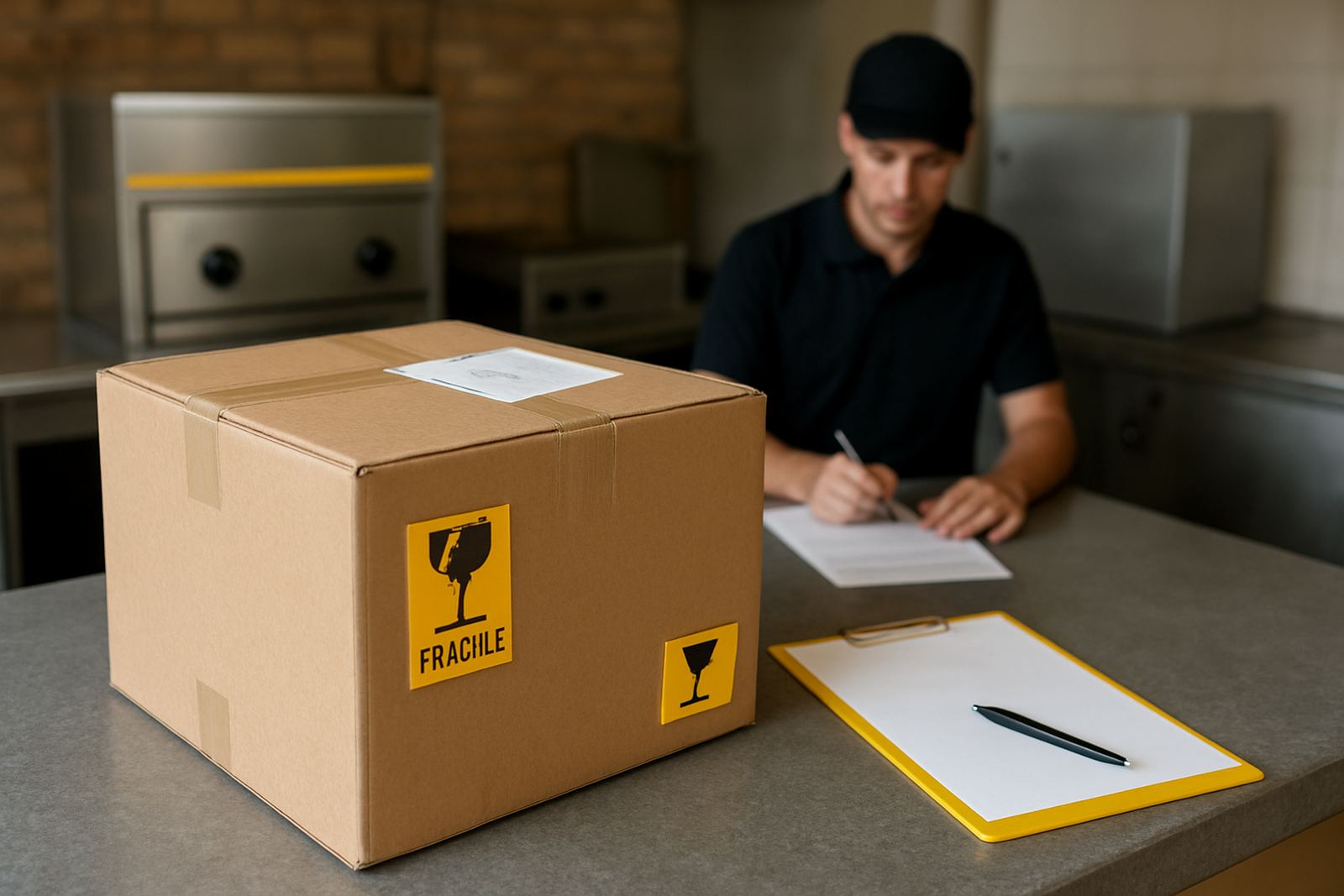
A catering kitchen in Midrand had repeated trouble with a fryer thermostat and one oven door gasket that was letting heat escape. Instead of waiting for a complete breakdown, the manager set aside a Sunday morning window before the weekly prep cycle. The parts were checked in advance, the fryer was isolated, and both items were fitted before staff arrived for Monday production.
The result was not dramatic, but it was practical. Cooking times stabilised, the fryer held temperature properly again, and the oven stopped leaking heat into the prep area. The team did not lose a lunch service, and no one had to work around a half repaired machine. That is what good planning looks like: boring in the best way, with fewer surprises and less disruption.
Which parts are best scheduled ahead of time
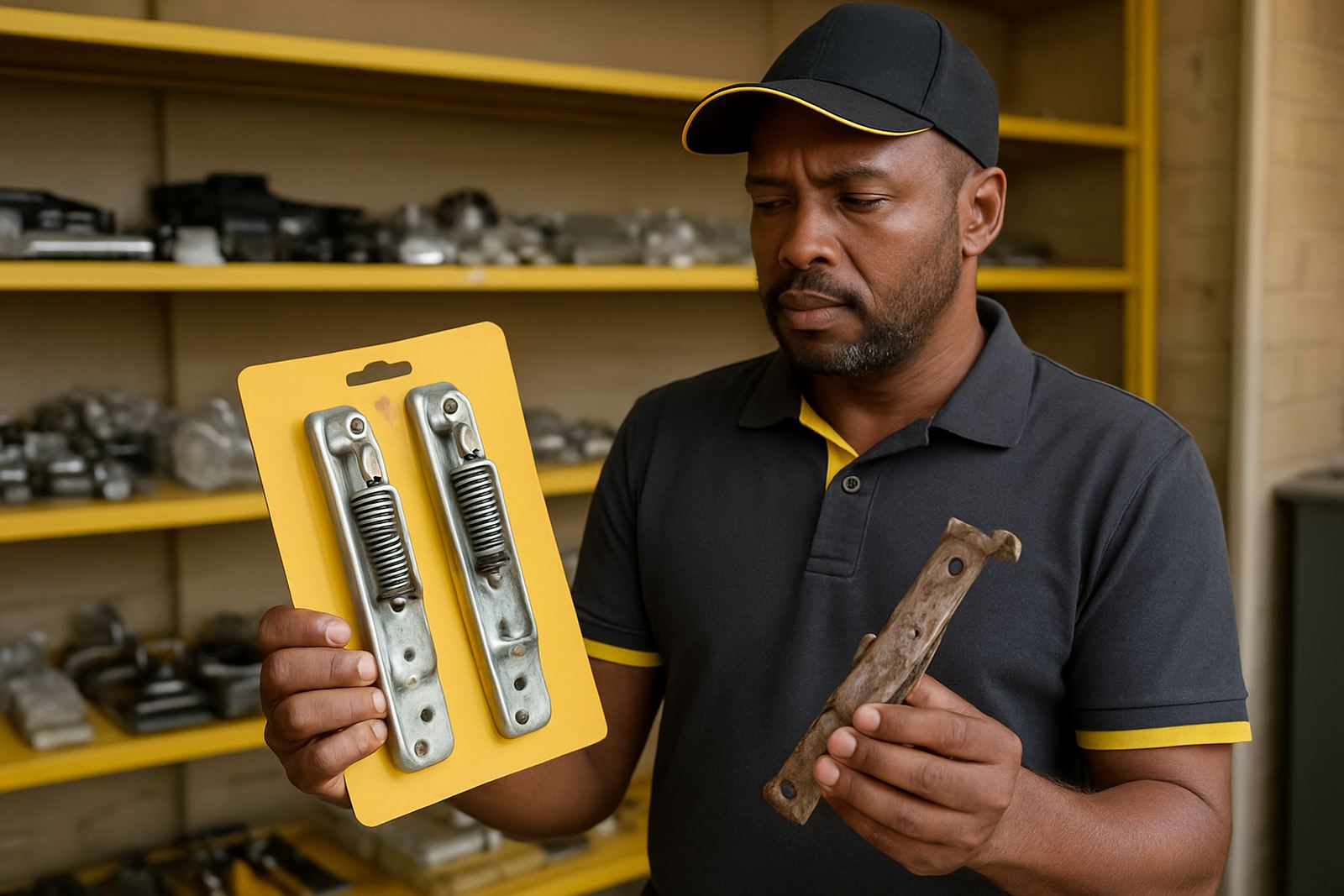
Some parts should be changed as soon as the first warning signs appear, especially where a complete stop would hurt trade. Heating elements that are slow to recover, thermostats with temperature drift, brittle door gaskets, and worn burner parts all benefit from early attention. Dishwasher switches and control components also need timely replacement because once they fail, rinse cycles and turnaround times suffer straight away.
We usually advise kitchens to watch for these signs:
- Longer heat-up times on ovens or fryers
- Uneven cooking or hot spots
- Doors not sealing tightly
- Intermittent power, sparking or tripping
- Temperature readings that do not match the actual result
- Dishwashers stopping mid-cycle or not starting cleanly
If you spot more than one of these symptoms, it is worth planning the swap before the part gives up during service.
Building a simple planning habit with your team
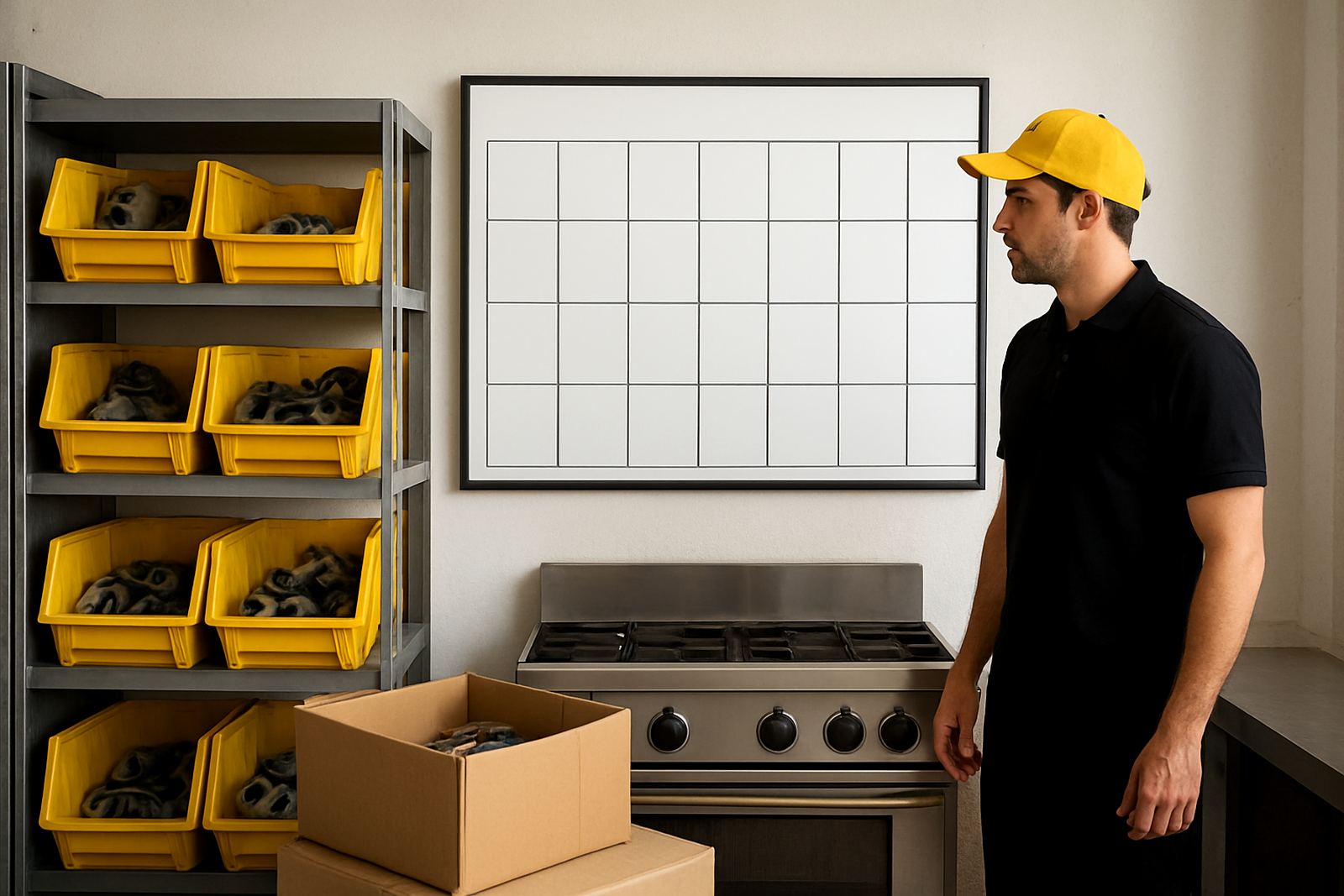
The easiest way to use service windows is to make them part of your weekly routine. A manager can note which pieces of equipment are running hot, which seals are showing wear and which controls are becoming inconsistent. From there, the operations team can decide whether the fix needs to happen before the weekend or can wait for a quieter shift. In kitchens with several sites, one clear plan also helps everyone stay on the same page.
At FoodServ Parts Store, we support planned changes with part identification, compatibility checks, fitting support and post-fit testing. That means the right item is matched first, then the work is done in a window that suits the kitchen. For sites in Midrand, Johannesburg, Pretoria, Durban, Cape Town and Bloemfontein, the same principle applies: the best repair is the one that happens before the rush, not during it.
If you build that habit into your maintenance routine, service windows become an asset instead of a headache. Kitchens stay open, staff stay focused and the equipment gets the attention it needs without turning the whole day upside down.