When one part is not really the whole problem
In commercial kitchens, a fault often shows up in one place but the real cause sits beside it. A fryer that heats slowly may not only have a tired element, it may also have a thermostat that is reading off. An oven with hot spots can point to a single failed element, but if the matching side is also old, the next breakdown is not far away.
That is why a proper fault check matters before any order goes in. If one part is replaced and the partner component is left behind after years of heat, grease and hard use, the new part can be pushed to work harder than it should. In busy sites across Johannesburg, Pretoria and Durban, that often means the job is back on the list within weeks.
Parts that usually work best as a pair
Not every job needs two parts, but some combinations are worth changing together. This is especially true where the parts age at the same rate or where one part depends on the other for accurate control.
- Element and thermostat: if both have seen heavy use, the new element may still struggle if the thermostat is slow or drifting.
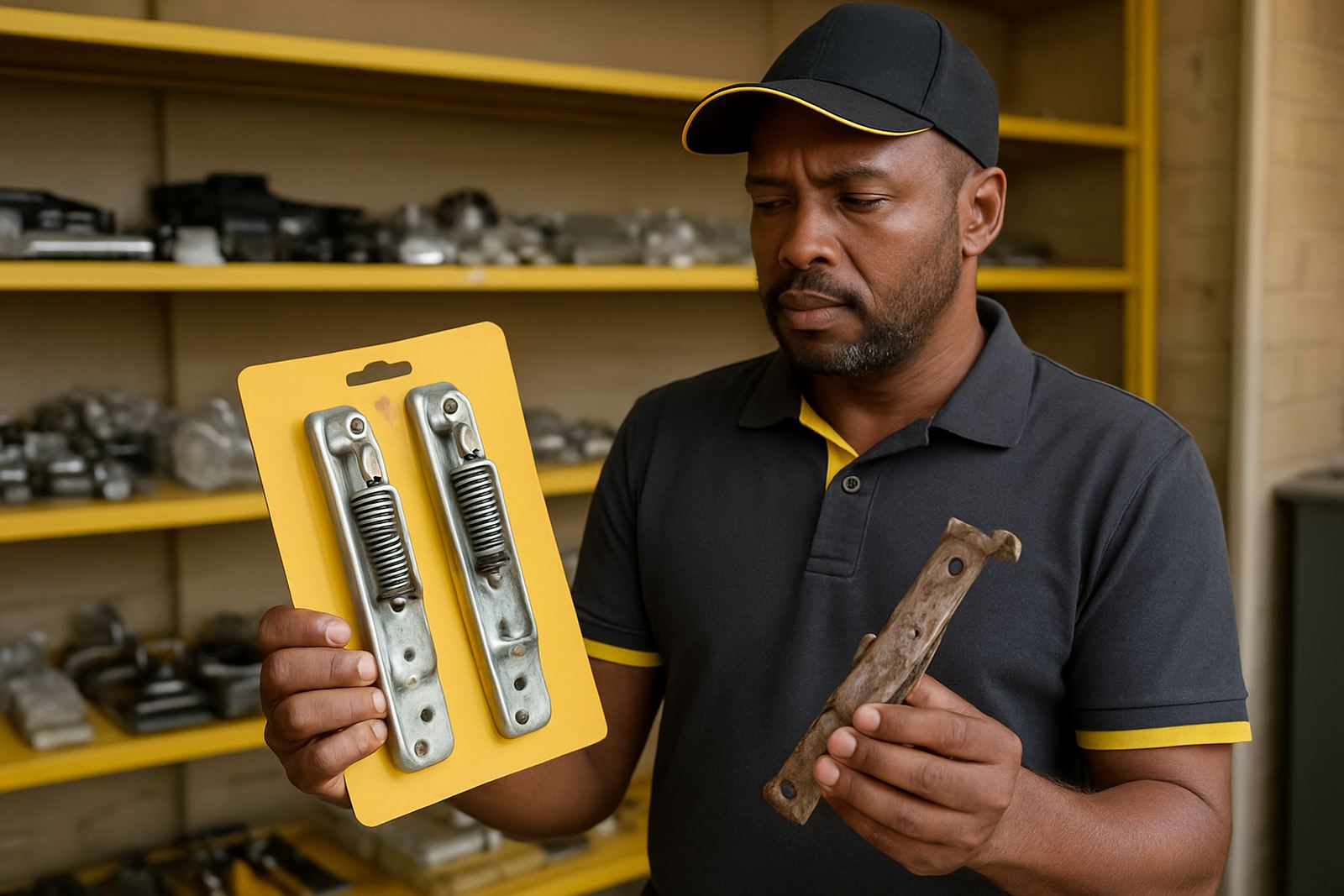
- Gasket and latch tension: a new gasket on a door that does not pull in properly will still leak heat and steam.
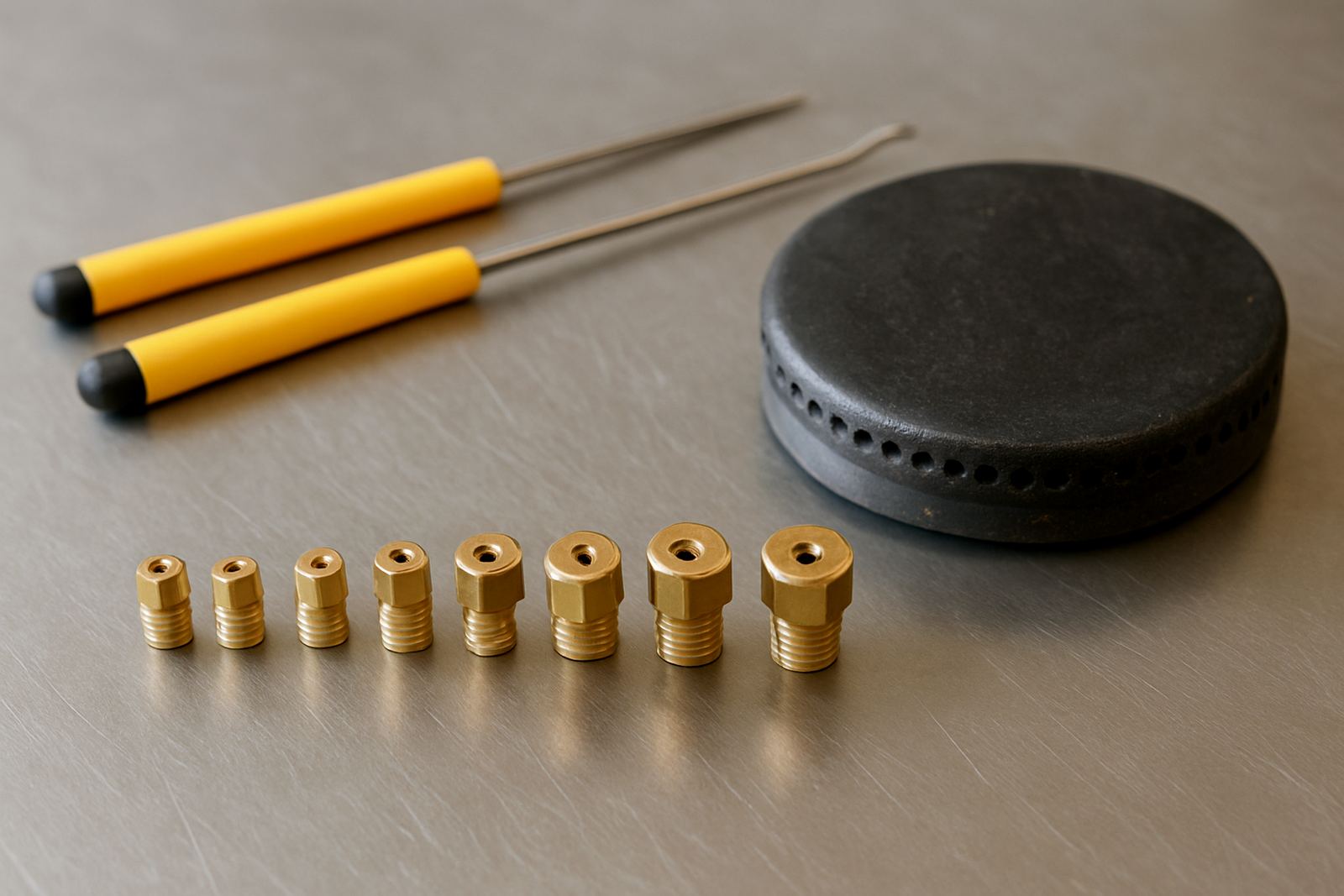
- Burner and igniter or switch: poor ignition can make a sound burner look faulty when the control side is the real issue.
- Switch and contact set: burnt contacts can take out a new switch if the load issue is not sorted first.
For dishwashers, door seals and spray performance also need to be checked together. A new gasket wont help much if the water pressure, filter or control timer is off. The same thinking applies to ovens and fryers, where heat, control and sealing work as one system.
The cost of doing one now and one later
Many owners try to keep the repair as small as possible, which makes sense on the day. But the cheapest part replacement is not always the cheapest repair over six months. If the matching part is close to failure, you pay twice for labour, transport and downtime.
A good example is a takeaway kitchen in Midrand serving lunch and supper rushes. Their fryer element failed on a Thursday, and the thermostat was still working, just. The first repair brought the fryer back, but the older thermostat was slow to respond and the oil temperature kept swinging by a noticeable margin. That meant longer cook times, darker chips and more strain on the element. Replacing both together would have avoided the second visit and the Friday evening rush problem.
There is also the hidden cost of poor performance. Extra electricity use, uneven cooking, water leaks around old seals and repeated reset calls all eat into the day. If a part is cheap but the labour is not, the wise move is often to change the pair and be done with it.
Signs that tell you to replace both
Some faults are clear, others only show themselves under pressure. Watch for these signs before you decide to fit one part only:
- Heat takes longer to recover after loading the oven, fryer or dishwasher.
- The appliance works, but the output is uneven from one side to the other.
- Controls are still responding, but readings look unstable or drift over time.
- There has already been one failure in the same area during the past few months.
- Seals, switches or burners show heat damage, warping or sticky movement.
If two parts have had the same service life and same workload, changing both can be the cleaner repair. That is especially true in coastal areas like Durban and Cape Town where humidity and salt air speed up wear on fittings, terminals and seals.
What a proper compatibility check should cover
Before any order is placed, the part numbers, dimensions, terminal positions and fitting style need to be checked. A unit might look standard from the outside but still carry a different thermostat range, element shape or switch layout. Getting that wrong can hold up the job for days.
At FoodServ Parts Store, the practical approach is to identify the faulty piece, then check whether the partner component is also near the end of its life. That is where compatibility checks save trouble, because the goal is not just to get the part in the box, but to get the right part working in the appliance on the first visit.
- Confirm the model and serial details where possible.
- Check the fitting style, size and wiring points.
- Look at age, wear and any past repair history.
- Decide whether post-fit testing is needed before the job is signed off.
Local service needs local timing
Across South Africa, kitchens do not fail at a convenient hour. Power cuts, heavy meal service and municipal water interruptions all put pressure on equipment. In Pretoria and Bloemfontein, dry conditions can be kinder to seals but rough on thermostatic response when appliances cycle hard. In Durban, moisture can speed up corrosion and gasket wear. In Johannesburg, a busy canteen or hotel kitchen may simply run the gear flat out until the weak part gives in.
That is why dispatch from Midrand matters for national coverage. If a site needs an element, gasket, switch or burner quickly, the sooner the correct pair is identified, the sooner the kitchen is back in service. Our team also works with onsite parts support, fitting and post-fit testing where needed, so the repair is not left half done. Sometimes the missing piece is not more parts, but the right judgement on which two should go in together.
A practical rule for managers and technicians
Use this simple rule: if the second part is old, heat-stressed or controls the first part, replace both unless there is a good reason not to. If the partner part is recent, clean and tested, then one replacement may be enough. That balance keeps spend under control without sending a worn kitchen back into service with a weak link still inside.
For ovens, fryers and dishwashers, balanced performance comes from parts that age together. One new component can do its job only if the matching part is not dragging it down. A careful call at the start saves call-backs later, which is what every busy kitchen needs.