Why storage matters before the fit starts
In a busy kitchen, gaskets often arrive before the fitter does, or they sit on a shelf while other repairs are handled first. That is fine, but only if they are stored in a way that keeps the material in the same shape it had when it left the packet. Once a gasket takes a bend, gets squeezed under a box, or hangs too long on a nail, it can lose its memory and refuse to seal properly.
We see this often with oven door gaskets and dishwasher seals. A unit may be checked, cleaned and fitted correctly, but the kitchen still has steam leaks or heat loss because the gasket was flattened in storage. The problem is not always obvious at first. A distorted seal can look acceptable in the hand, then gap at the corners once the door closes.
Good storage is part of the repair, not an extra step. If you run a canteen, hotel kitchen or takeaway in Johannesburg, Pretoria or along the coast, the storage area itself can influence gasket life. Sun through a window, a hot extractor line, or a damp storeroom near the mop sink can all shorten the service life before fitting.
Keep seals in their original shape and position
Most gaskets are designed to sit flat, or to hold a very specific curve. If you fold them, knot them or hang them from one point, the material starts to set that way. The same applies when someone packs a heavy item on top of a coil of seal material. The pressure creates flat spots that do not always recover after a few days.
- Store flat gaskets on a clean shelf, not under tools or stock cartons.
- Keep round or formed seals laid in their natural shape, with no tight bends.
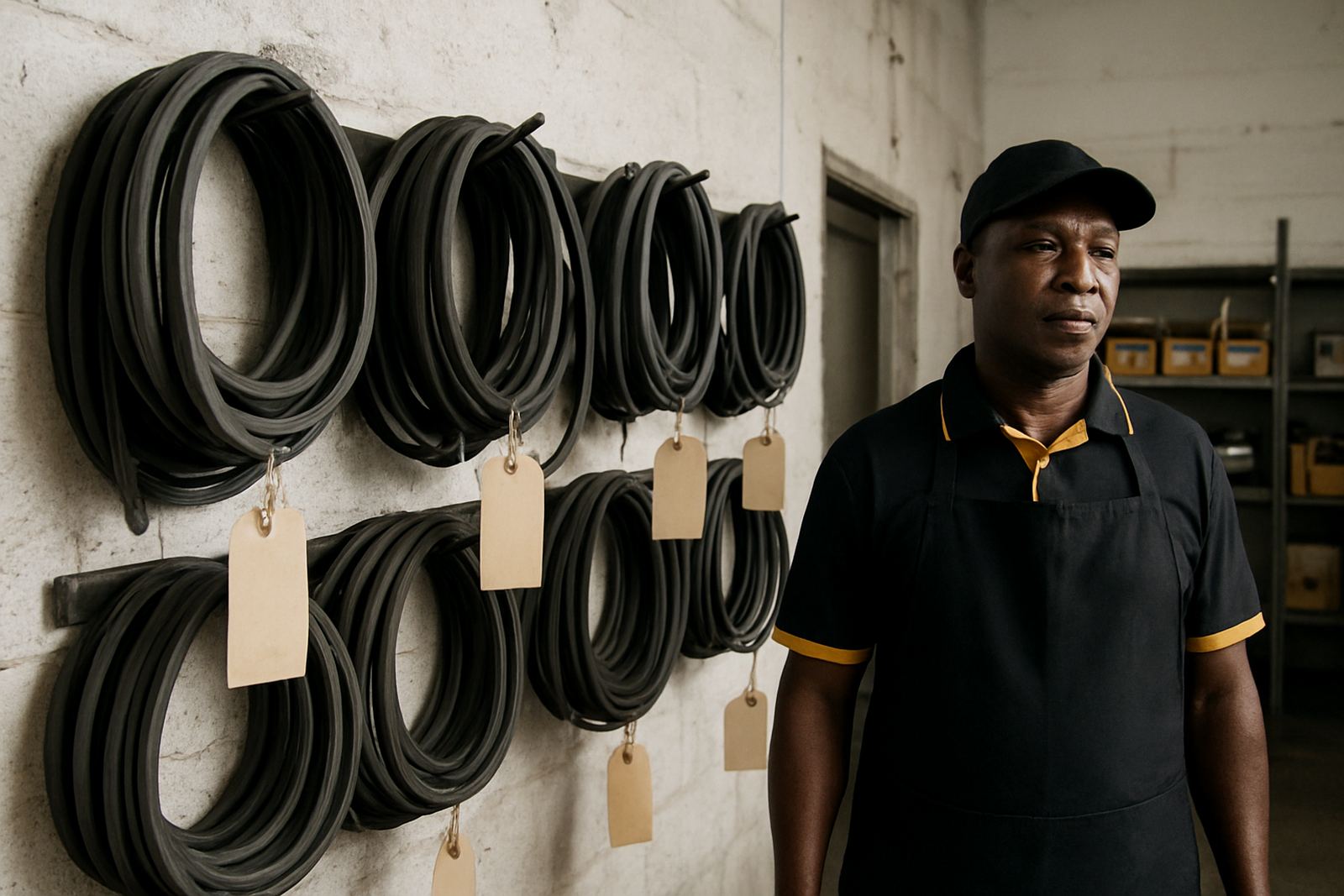
- Do not hang gaskets on hooks for long periods.
- Avoid folding packaging over the gasket itself if it creates a hard crease.
- Keep fitted and unused stock separate so the wrong item is not grabbed in a hurry.
If a seal has a joining point or corner sections, that area needs extra care. Pressure on the join can weaken the bond or leave the corner misaligned. On older ovens and fryers, a small change at one corner is enough to cause heat escape, smoke escape, or a greasy drip along the frame.
Heat, sunlight and steam are the quiet enemies
South African kitchens deal with more than normal wear and tear. Load-shedding can mean equipment cools down and heats up again in cycles, and that movement is hard on rubber and silicone materials. Coastal humidity adds another layer, especially in Durban and Cape Town where storage rooms can feel damp even when they are closed up. Add a hot storeroom wall or a patch of direct sun, and the gasket starts ageing before it is needed.
Try to keep gasket stock away from ovens, dishwashers in service, laundry steam and anything that throws off heat. The same goes for cleaners and degreasers. Fumes from strong chemicals can affect some seal materials and packaging. If the store room gets hot, the material can soften slightly and take on a permanent set. In a few weeks it may not be obvious, but when fitting day comes the seal may sit loose on the frame.
For businesses with both front-of-house stock and technical stock, a simple rule helps: if a person would not store bread there, do not store gaskets there either. They need a clean, cool and dry spot with steady temperatures. Not fancy, just sensible.
Label each gasket before it gets mixed up
Many callouts are delayed because the right gasket is on site but cannot be identified quickly. Someone finds the part in a drawer, it has no label, and then the team starts measuring it again. That wastes time and increases the chance of the seal being squeezed, trimmed or handled badly while everyone is trying to confirm the model.
Label stock as soon as it lands. Include the equipment type, the size, and the area it belongs to if that helps your team. For example, an oven door seal for a two-burner unit should not be stored with a fryer lid gasket just because the colours are similar. Gaskets that look alike can differ by a few millimetres, and that is enough to cause trouble. We have seen kitchen teams nearly fit the correct part upside down simply because two seals were kept in the same box.
- Write the equipment name and size on the packet, not only the shelf.
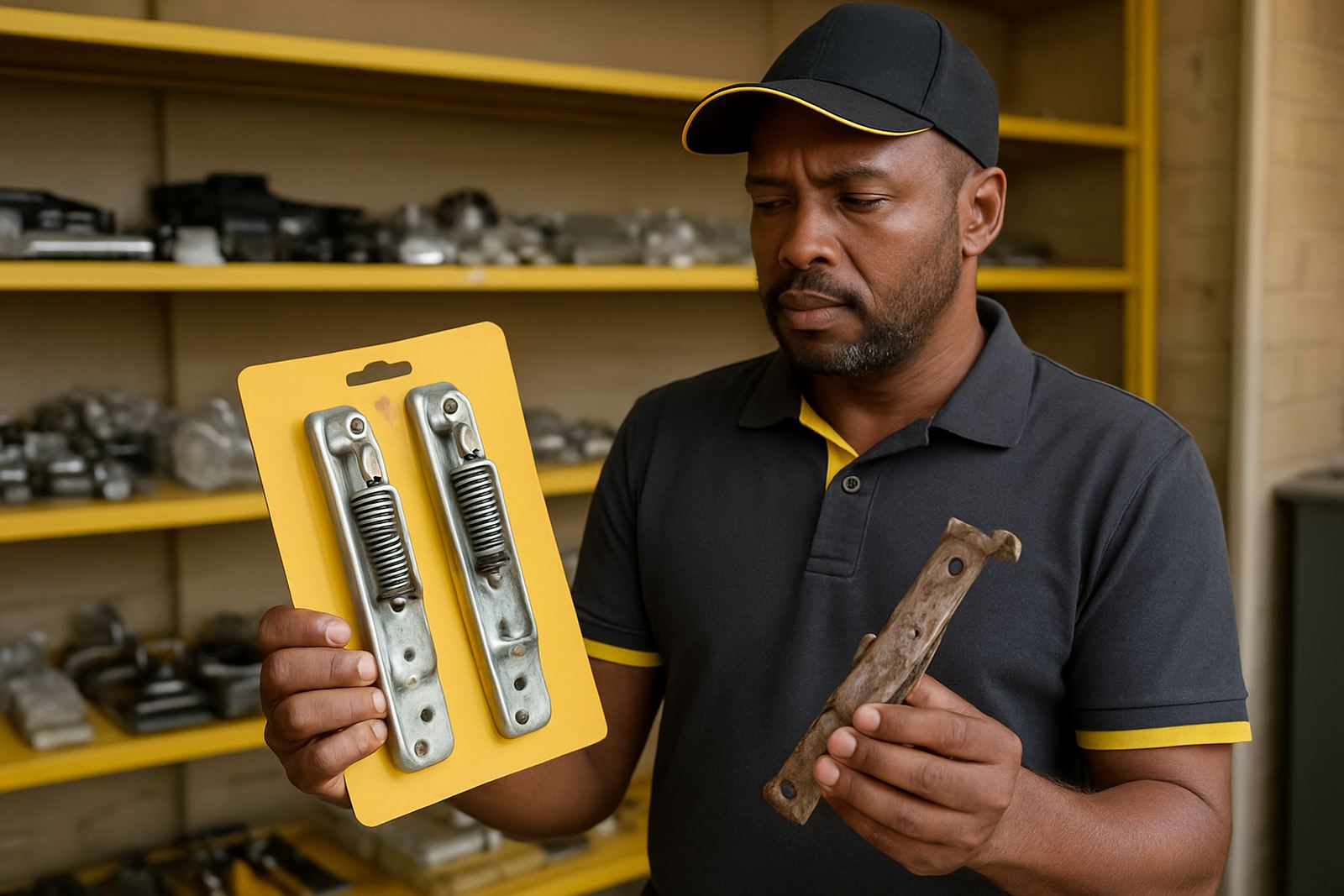
- Keep old samples with the notes if a replacement order may be needed later.
- Do not cut corners by trimming stock to make it fit another machine.
- Separate open stock from sealed stock so you know what has already been handled.
A simple storeroom routine for busy kitchens
You do not need a special setup to store gaskets properly. A few habits can keep stock usable for much longer, even in a small site kitchen with limited cupboard space. If the team follows the same routine every time, you reduce accidental damage and speed up repairs when an oven or dishwasher goes down.
Start with a shelf above floor level, away from damp mopping water. Keep gaskets in their packaging when possible, and store them in an upright file or flat tray depending on shape. Avoid placing them next to heavy metal parts that can crush the edges. In a restaurant in Midrand or a school kitchen in Pretoria, that kind of storage discipline can mean the difference between a same-day fix and waiting for another dispatch because the first seal was damaged on site.
Here is a practical routine that works well:
- Inspect new stock when it arrives and check for bends or compression.
- Mark the date received so older stock is used first.
- Keep the storeroom cool, dry and out of direct sun.
- Never stack heavy spare parts on top of seals.
- Return unused stock to the same labelled place after a job.
What to watch for before fitting
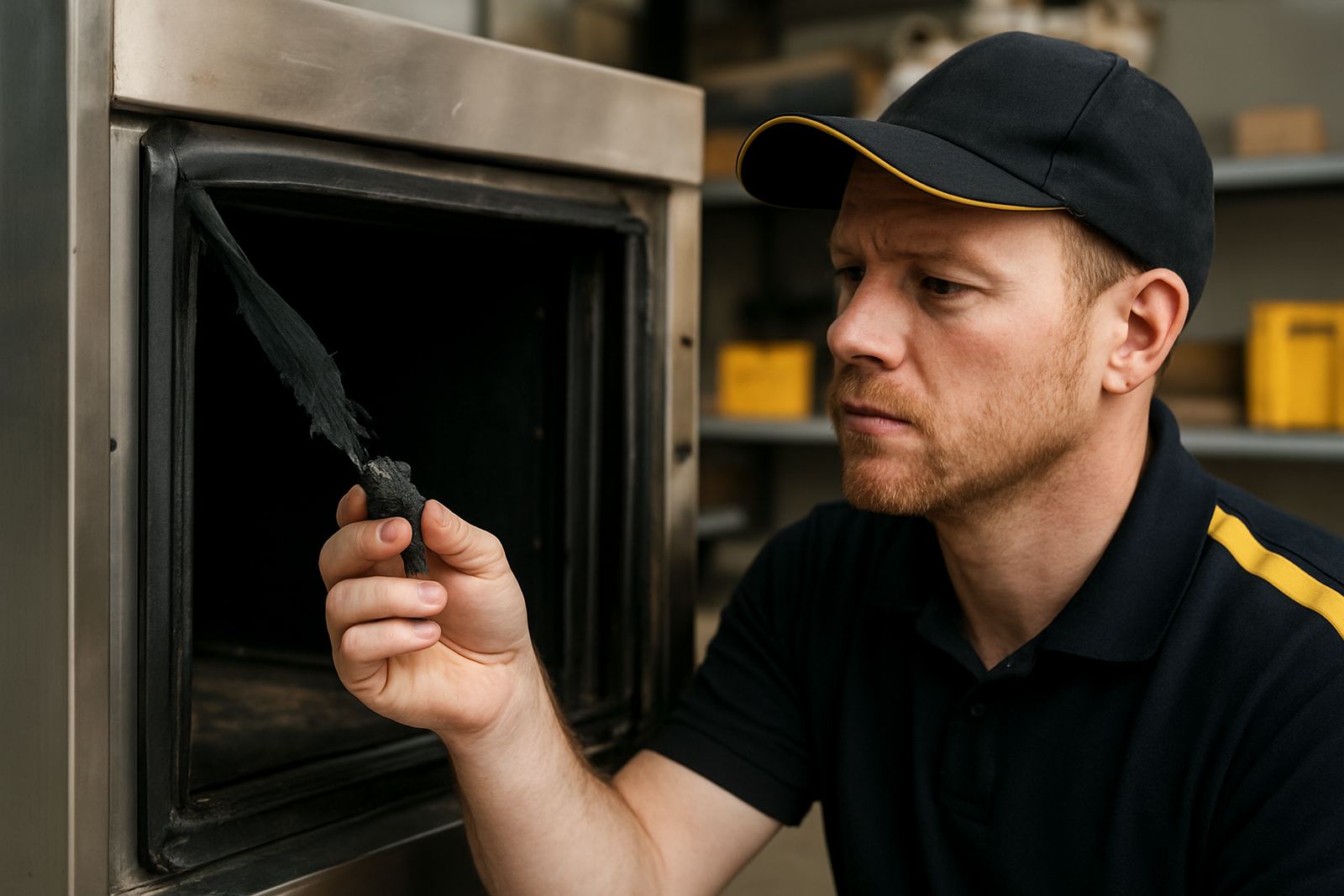
Before any gasket is fitted, run your hands along the whole length and look for twists, flat areas, cracks or hard spots. If the seal does not spring back lightly when released, or if one corner looks stretched, set it aside. A cheap replacement fitted badly is still a waste, because the equipment will keep losing heat, energy and time.
On dishwashers, a poor seal can let steam into places it should not reach. On ovens, it can affect temperature hold and increase running costs. On fryers, the problem may show up as heat loss around a lid or access panel. In each case, the issue starts long before the machine is switched on. The gasket was already compromised in storage.
If there is any doubt, compare the part against the old sample and check the siting points, not only the overall length. A small mismatch can create a gap that only shows up after the first clean-down. That is why careful storage and careful checking go together.
When to replace stock that has been stored too long
Some gaskets cannot be saved once they have been badly folded, crushed or heat damaged. If a seal has visible distortion, a hard section that should be flexible, or a permanent wave along the edge, do not force it into service. It may seem usable on the bench but fail once the door starts opening and closing through the day.
For kitchens that keep spare parts on hand, it helps to review gasket stock at regular intervals. Look for items that have been sitting in poor conditions or handling areas. In a coastal town, even sealed stock can age faster if the packaging has been opened and the air is damp. In a warehouse near a hot plant room, repeated heat can do the same thing. The aim is simple: fit a part that still matches the equipment, not one that has already taken a set.
When in doubt, replace the stock and store the next one better. That small discipline saves call-backs, wasted labour and a lot of frustration for the kitchen team.