Boksburg canteen with high wash cycles
The site was a factory canteen in Boksburg serving a large day shift and a smaller night shift, with traywashers working hard between meal breaks. The equipment had to cope with greasy plates, stainless trays and repeated hot rinse cycles, so any missed part meant backed-up dishes and staff standing around waiting.
The brief was straightforward. Keep the canteen going, get the right spare parts in one movement, and avoid sending a fitter back and forth from the East Rand every time a thermostat or seal failed. The client wanted enough stock on hand for the immediate job plus a short cover supply, because shutdown windows were tight and the plant could not afford surprise delays.
What the job needed on the ground
This project was shaped by a few practical constraints. The dishwashers had heavy use, the area was close to loading bays so dust and moisture were always present, and the site needed to work around factory meal breaks. There was also the usual South African reality of load-shedding risk, so we had to consider parts that would be stressed by repeated restart cycles and fluctuating heat recovery.
- Bulk dishwasher service parts staged before the fitment window
- Checks against model, voltage and element size before dispatch
- Allowance for gasket wear from hot water and chemical use
- Clear labelling so site staff could identify each part fast
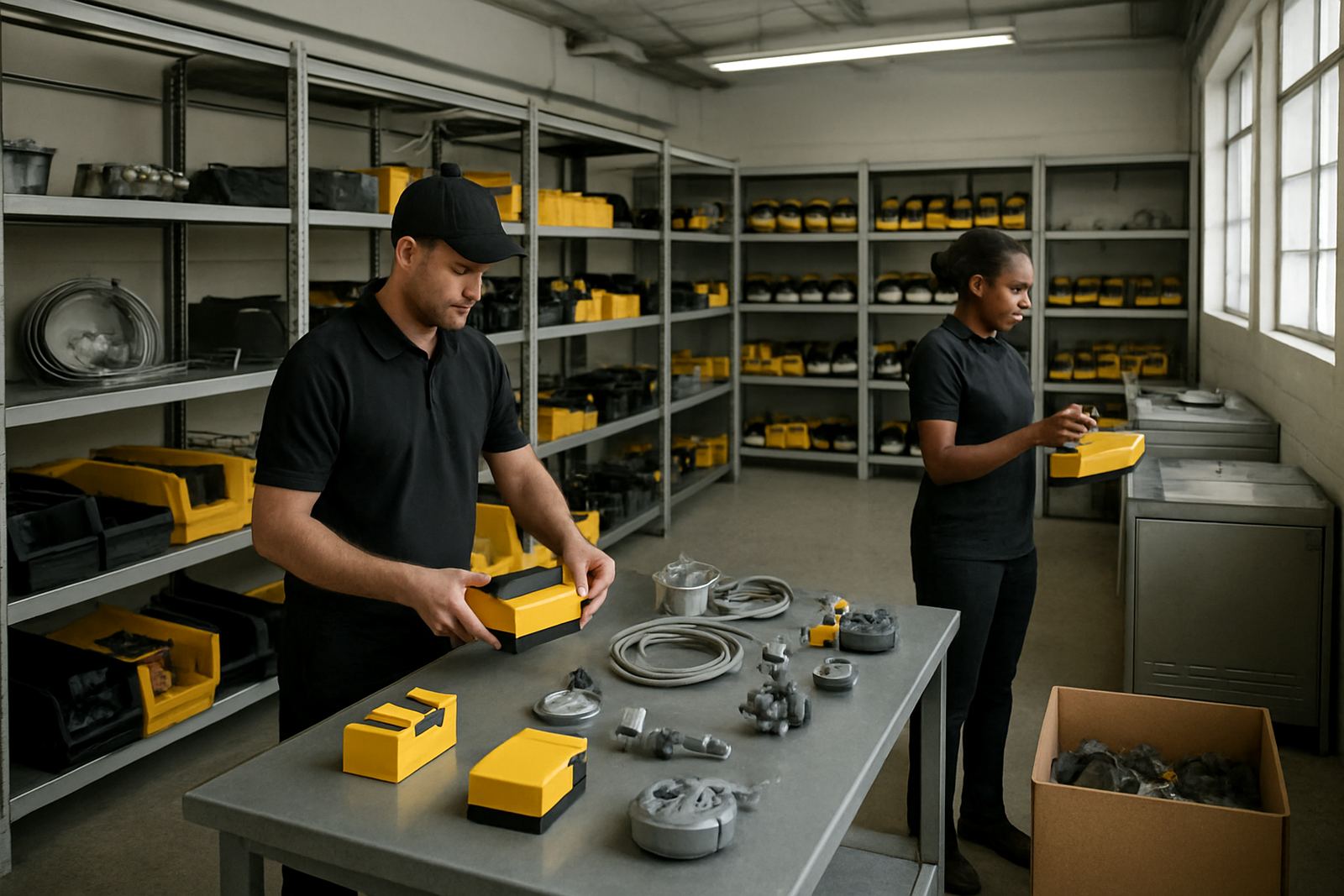
We also had to keep the order practical. No mixed boxes with vague notes, just proper separation by unit and by use. That made it easier for the maintenance team to hand parts to the right person without stopping the line.
Parts supplied and how they were matched
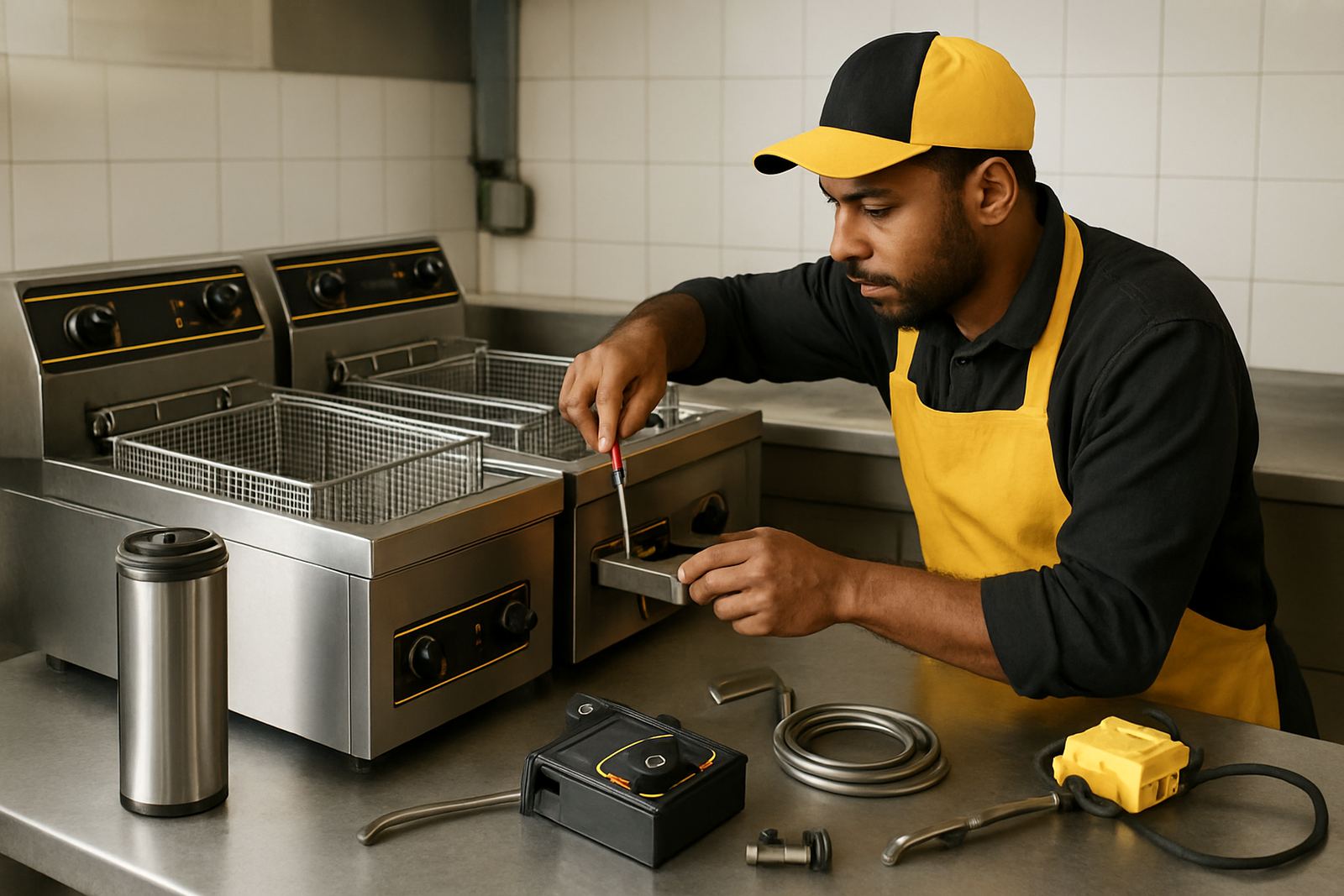
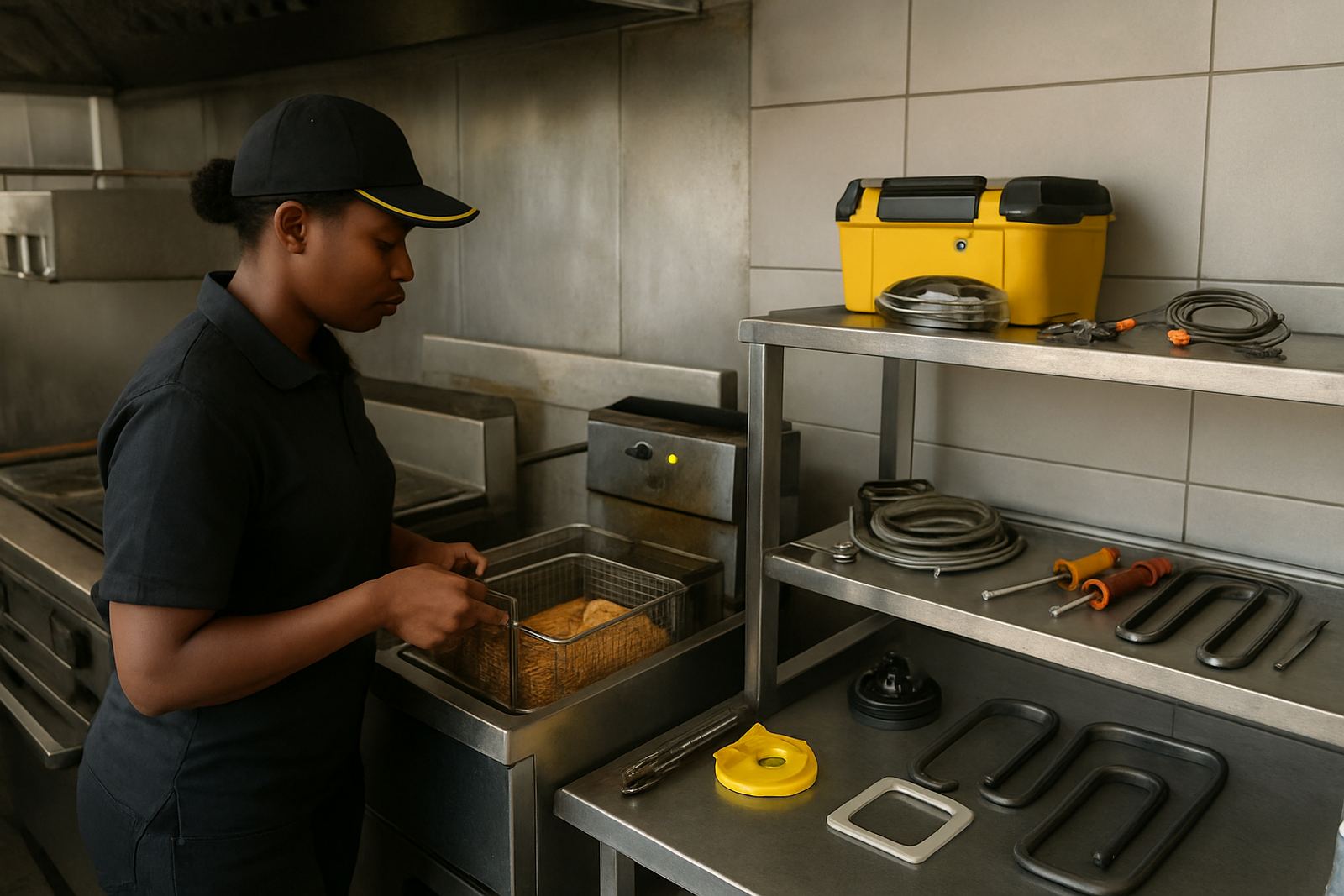
Our technical parts team matched the existing dishwasher setup and staged the likely wear items for immediate replacement. The main supply included heating elements, thermostats, door gaskets, burner related controls for linked hot water equipment, and switches for the control side. Where needed, we added fitting materials and checked the seal profiles against the door frames before release.
Because this was a food prep environment, we paid attention to heat recovery times, wash temperature stability and water ingress around the switch panel. The wrong element or a tired thermostat can leave trays coming out damp, and in a canteen that turns into a queue very quickly. We checked the part numbers against the installed units and packed the order so the fitter could work section by section.
- Elements for wash tank and rinse heating sections
- Thermostats for temperature control and cut-out protection
- Door and tank gaskets for leak control
- Switches and control-side replacements for damaged contacts
- Consumables for basic installation support
Dispatch from Midrand and fitment support
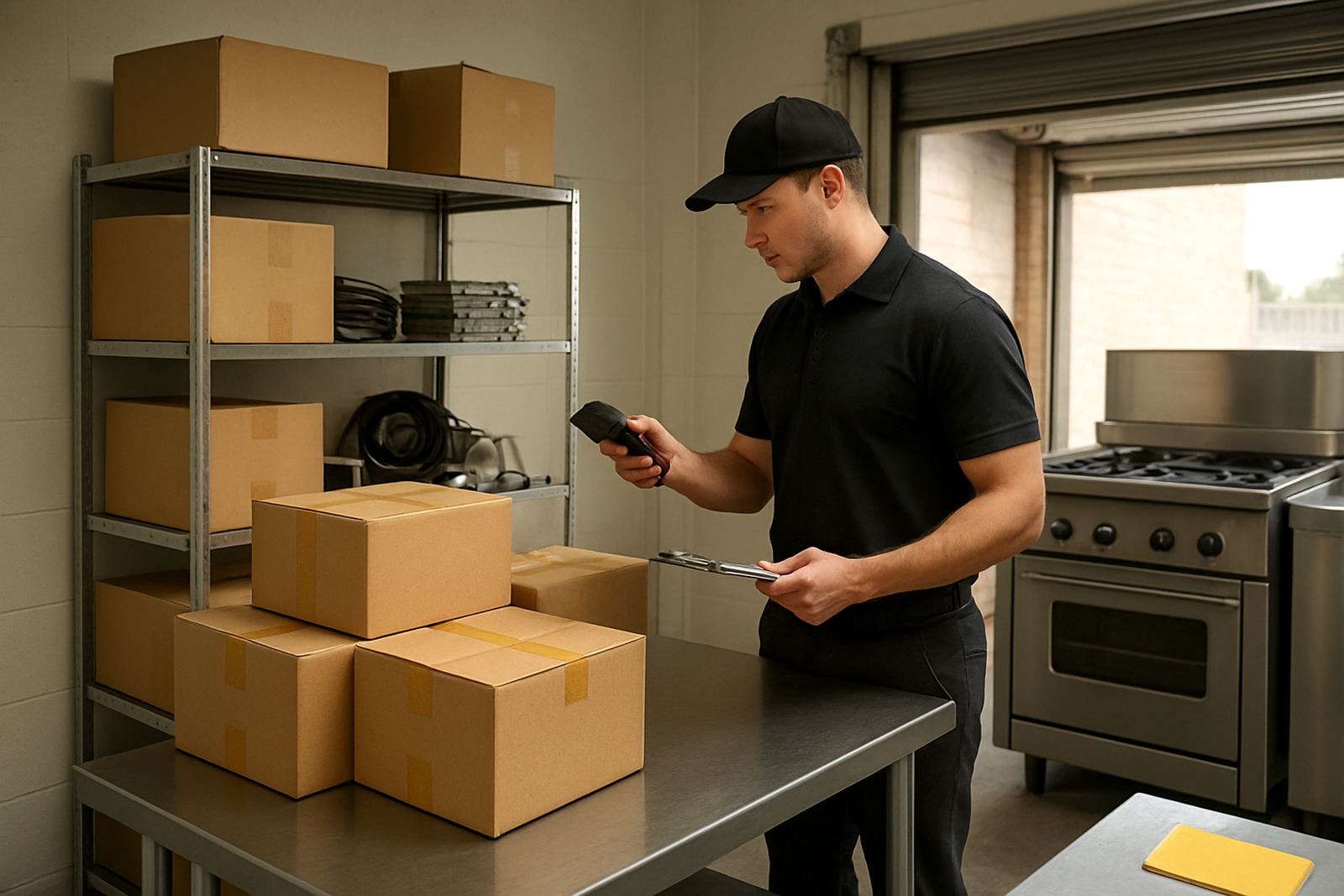
The order was processed from our Midrand base and dispatched to Boksburg with the parts grouped for the site maintenance team. Lead times were kept short because the canteen could not wait on a piecemeal supply. We confirmed the item list, then staged the stock for collection and delivery in the same working week.
Our field fitting coordinator stayed in touch while the units were being opened up. That helped with a few quick checks on seal depth, terminal positioning and thermostat location before the parts went in. When a site is running traywashers flat out, small errors cost time, so we try to catch those before the first bolt is tightened.
The work was carried out in just over one week from first enquiry to final post-fit check. That included identification, stock matching, dispatch, fitment support and testing. The actual physical installation window was short, but the planning before that mattered most.
Results for the canteen team
Once the new parts were in, the dishwasher units held temperature better and the door sealing improved straight away. That meant fewer water losses, steadier wash quality and less interruption between meal services. The maintenance team also had spare items on site for the next wear cycle, which reduced the chance of a late-afternoon panic call.
The client’s immediate result was simple: fewer stoppages and a cleaner turnaround during peak periods. In a factory canteen, that is often the difference between keeping pace with the shift and falling behind by 20 minutes or more. It also helped that the parts were grouped and labelled clearly, so future checks can be done quicker.
- Cleaner wash performance under full tray loads
- Less leak risk around the doors and tanks
- Better temperature control during repeated cycles
- Faster maintenance response next time a part wears out
What we would do again on a similar site
On a similar Boksburg canteen, we would again start with a full compatibility check and then stage the likely wear parts before anyone opens a machine. That saves time and avoids the classic problem of having a fitter on site while someone searches for the right thermostat or gasket. We would also keep a small buffer of the parts that fail most often in hard-use kitchens.
For factory canteens, the best approach is to treat dishwasher spares as planned maintenance, not emergency stock. If the site runs heavy shifts, has hot water pressure swings or sits in a dusty loading area, those details matter. A bit of planning up front can cut down the number of no-wash incidents later on, and that protects both the kitchen team and the production schedule.
Key facts
| Project | Boksburg Factory Canteen |
|---|---|
| Client type | Factory canteen with high-volume traywashing |
| Town | Boksburg, Gauteng |
| Timeline | Just over 1 week from enquiry to post-fit testing |
| Supply scope | Bulk dishwasher service parts staged and matched |
| Key parts | Elements, thermostats, gaskets, switches and related controls |