The takeaway kitchen brief in Soweto
The client was a growing takeaway kitchen in Soweto serving fried chicken, chips and quick lunch meals to a busy local crowd. Their existing fryer line was being pushed harder after a small expansion, and they needed parts that would suit daily service without causing repeat breakdowns. The main issue was ignition trouble on the gas fryers, plus inconsistent flame sensing on one unit that had already started slowing service at peak times.
The brief was simple on paper but time sensitive in practice. Match the correct gas fryer pilot assemblies and thermocouples, check compatibility against the fryer make and gas setup, and get the parts into place before the weekend rush. The kitchen could not afford a wrong fit, because a fryer that is down in a township takeaway quickly throws off the whole prep line and front counter, especially when power dips and load shedding already put pressure on the day.
What had to be checked before we supplied anything
We first worked through the fault details and the equipment history. The fryer chambers were still in usable condition, but the pilot flame was unstable and the thermocouple response was weak on one burner set. In a gas fryer, that usually points to a worn pilot assembly, a tired thermocouple, or both. We also checked the mounting points, thread sizes, probe length, and the temperature range needed for commercial frying, so the new parts would match the existing control layout.
- Pilot assembly alignment checked against burner position and gas flow path
- Thermocouple length confirmed for safe reach to the flame zone
- Connection type confirmed before dispatch
- Heat tolerance checked for regular frying duty
- Local operating conditions considered, including dust, heat and frequent cleaning
The client’s kitchen sits in a busy part of Soweto where equipment gets used hard from early morning to late evening. That means parts must cope with heat cycling, grease build-up and regular wipe-downs. We made sure the matched components were suitable for repeated service, not just a one-off repair.
Parts supplied for the gas fryer repair
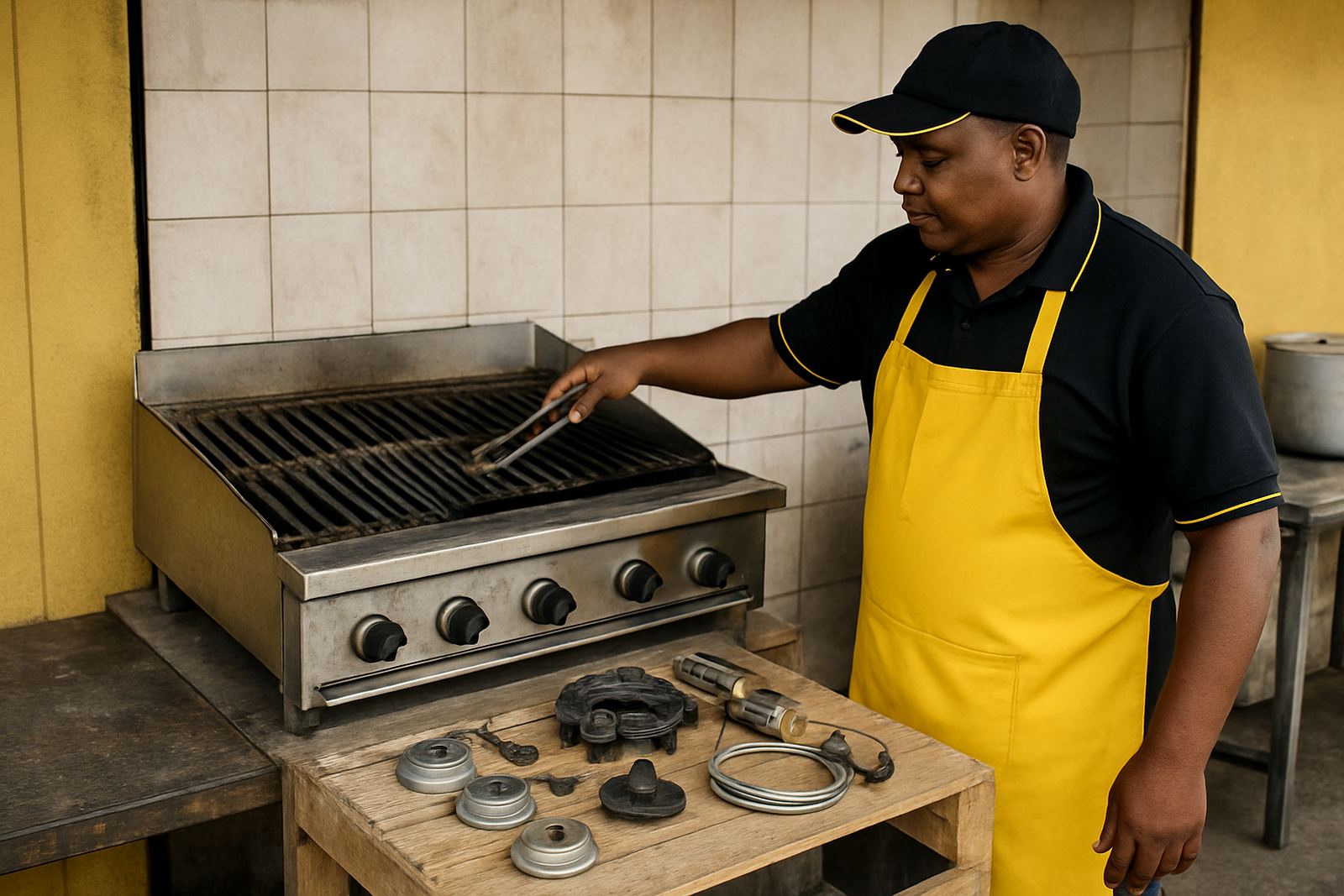
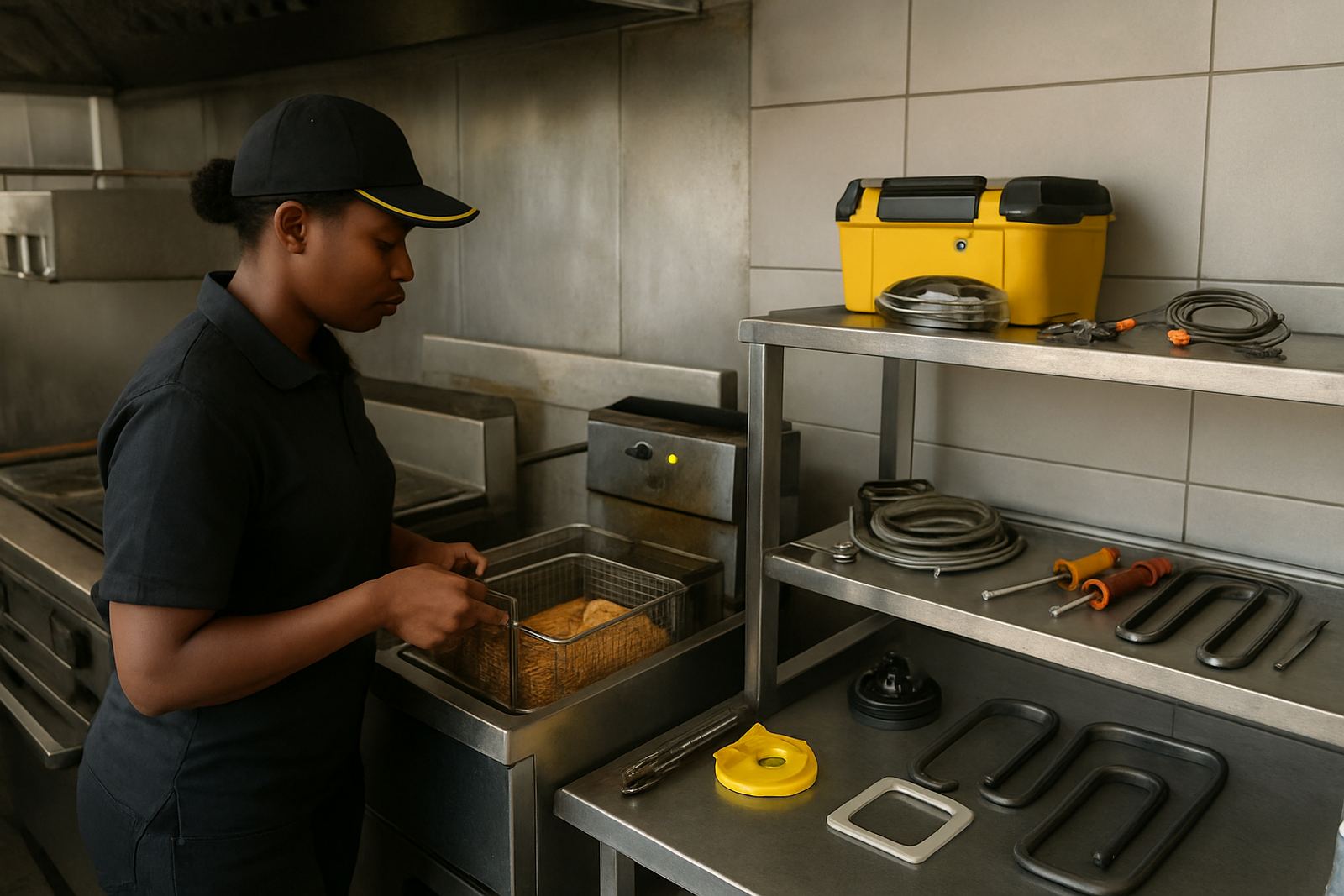
We supplied matched gas fryer pilot assemblies and thermocouples for the affected units, with the parts selected to suit commercial takeaway use. The pilot assemblies included the correct ignition and flame guidance setup for steady start-up, while the thermocouples were chosen to give reliable flame safety response. Where needed, we also supplied fitting consumables and checked the sealing surfaces before installation. No fancy extras, just the parts that would get the fryer running again and keep it there.
- Gas fryer pilot assemblies matched to the fryer body and burner position
- Commercial-grade thermocouples with correct probe reach
- Replacement sealing items for clean installation
- Compatibility confirmation before dispatch from Midrand
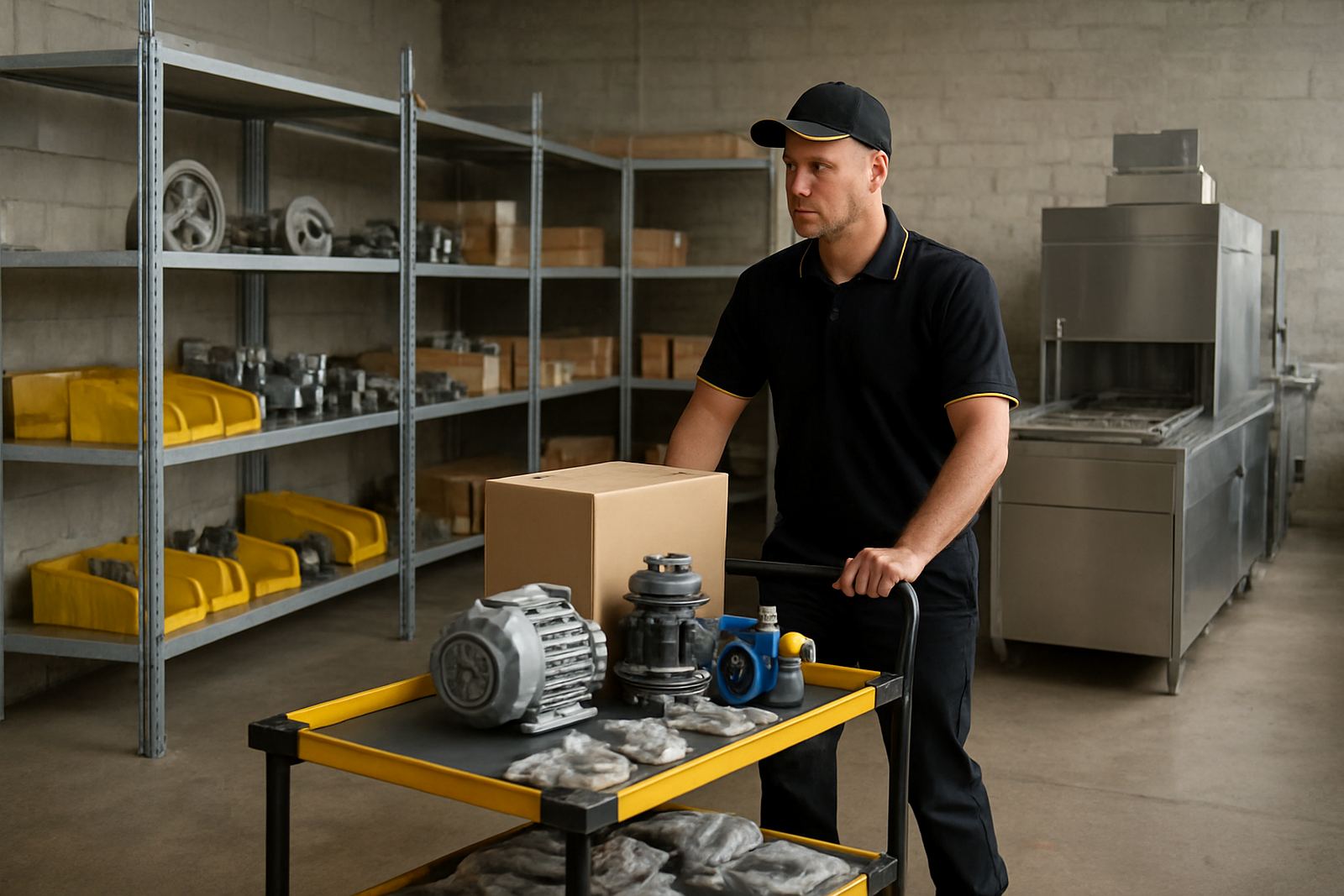
Because the client was working under a deadline, we kept the process tight. The parts were identified, checked, packed and sent from our Midrand base for quick delivery into the Soweto area. The customer support team stayed in touch with the kitchen manager so there was no confusion about what was arriving and when.
Installation support and post-fit testing
Once the parts arrived, our fitting support team assisted with the installation and checked that the pilot flame, thermocouple response and burner ignition sequence were behaving as they should. The work included a full visual inspection of the burner area, a check for soot marks and gas leaks, and a test of the fryer’s restart cycle after shut-down. That testing matters because a fryer can look fine for a few minutes but still fail once it cools down, which is exactly where a bad thermocouple shows up.
After fitment, we carried out post-fit testing under normal operating conditions and confirmed stable ignition on both fryer circuits. The kitchen also asked us to explain the signs of future wear, so staff could spot trouble early before service was affected again. We showed them what a healthy pilot flame should look like and how to respond if the fryer starts tripping out or takes too long to light.
Timeline, coordination and site conditions
The full job ran over two weeks from first enquiry to final testing. Week one covered part identification, compatibility checks and dispatch from Midrand. Week two covered fitting support, testing and sign-off once the fryer had been run through a proper service cycle. The timing suited the kitchen because they could keep part of the menu moving while the fryer issue was being handled. That matters in Soweto where a lunch rush does not wait for repairs.
- Week 1: fault review, part matching and dispatch
- Week 2: fitting support, ignition tests and final checks
- After handover: staff guidance on daily visual checks and cleaning around the pilot area
We also took the site conditions into account. The kitchen had grease in the air, regular cleaning, and a busy pass area, so the parts had to be fitted neatly and protected against knock damage. Good cable routing and clean seating made the difference. A loose thermocouple is a small problem today and a shutdown tomorrow.
Results for the expansion and what we would repeat
The fryer line was back in service with stable ignition and reliable flame sensing, which let the kitchen carry on with the expansion without changing the menu plan. Service staff reported quicker start-up at the beginning of the day and fewer interruptions during the lunch peak. The owner also gained a clearer idea of which parts to keep on hand as spares, which is useful for any takeaway kitchen that depends on a gas fryer every day.
If we were to do the job again, we would keep the same order: identify first, confirm compatibility, fit carefully, then test under normal load. That process saved time and prevented guesswork. For fryer work in a busy township kitchen, the practical lesson is simple: match the right pilot assembly and thermocouple the first time, because the second trip costs more and slows the whole kitchen down.
For this kind of work, our Midrand depot, Johannesburg coverage and Soweto support route make it easier to respond quickly without wasting a day on back and forth. It is part supply, part technical support, and part common sense.
Key facts
| Project type | Gas fryer parts matching and fitting support |
|---|---|
| Client location | Soweto |
| Equipment | Commercial takeaway gas fryers |
| Parts supplied | Pilot assemblies and thermocouples |
| Timeline | 2 weeks from enquiry to final testing |
| Dispatch base | Midrand |
| Results | Stable ignition, reliable flame sensing, reduced service interruption |