Project brief for a busy Durban banqueting kitchen
The client was a large banqueting kitchen in Durban serving functions, conference meals and plated service for changing guest counts. Their kit mix was practical but demanding: electric ovens, gas fryers, undercounter dishwashers and a few older units that had already seen years of coastal use. They needed a parts supplier who could work from photos, model details and fault notes, then get the correct item out quickly from our Midrand base.
The brief was simple on paper but tight in practice. They wanted fewer repeat callouts, less down time during loading and washing cycles, and no guessing on parts that had to match voltage, size and connection type. On this job we focused on elements, thermostats, gaskets, burners and switches, plus the smaller support parts that often stop a service cold if they are wrong by even a few mm.
- Kitchen type: banqueting and bulk service
- Town: Durban
- Equipment: ovens, fryers and dishwashers
- Supply model: national dispatch from Midrand with fitment support
What made the site tricky in Durban
Durban’s humidity was a real factor here, especially for door seals, control switches and burner components that had started to corrode. The kitchen also had a stop-start pattern that puts extra strain on heating parts, because equipment is switched off between functions then expected to come back at full heat fast. Load-shedding planning was another issue, since the team needed spare parts on hand for units that were being restarted often after power interruptions.
The main challenge was that the original machines were a mixed batch, so the same looking part was not always the correct part. One oven element could share a shape with another but carry a different wattage or terminal spacing, and the same happened with thermostats and dishwasher door gaskets. We checked the details against photos, serial plates and existing part samples before anything was packed.
- Coastal corrosion on gaskets, terminals and burners
- Mixed equipment brands and age groups
- Need for fast restart after power cuts
- Limited spare storage space on site
Parts supplied and support delivered
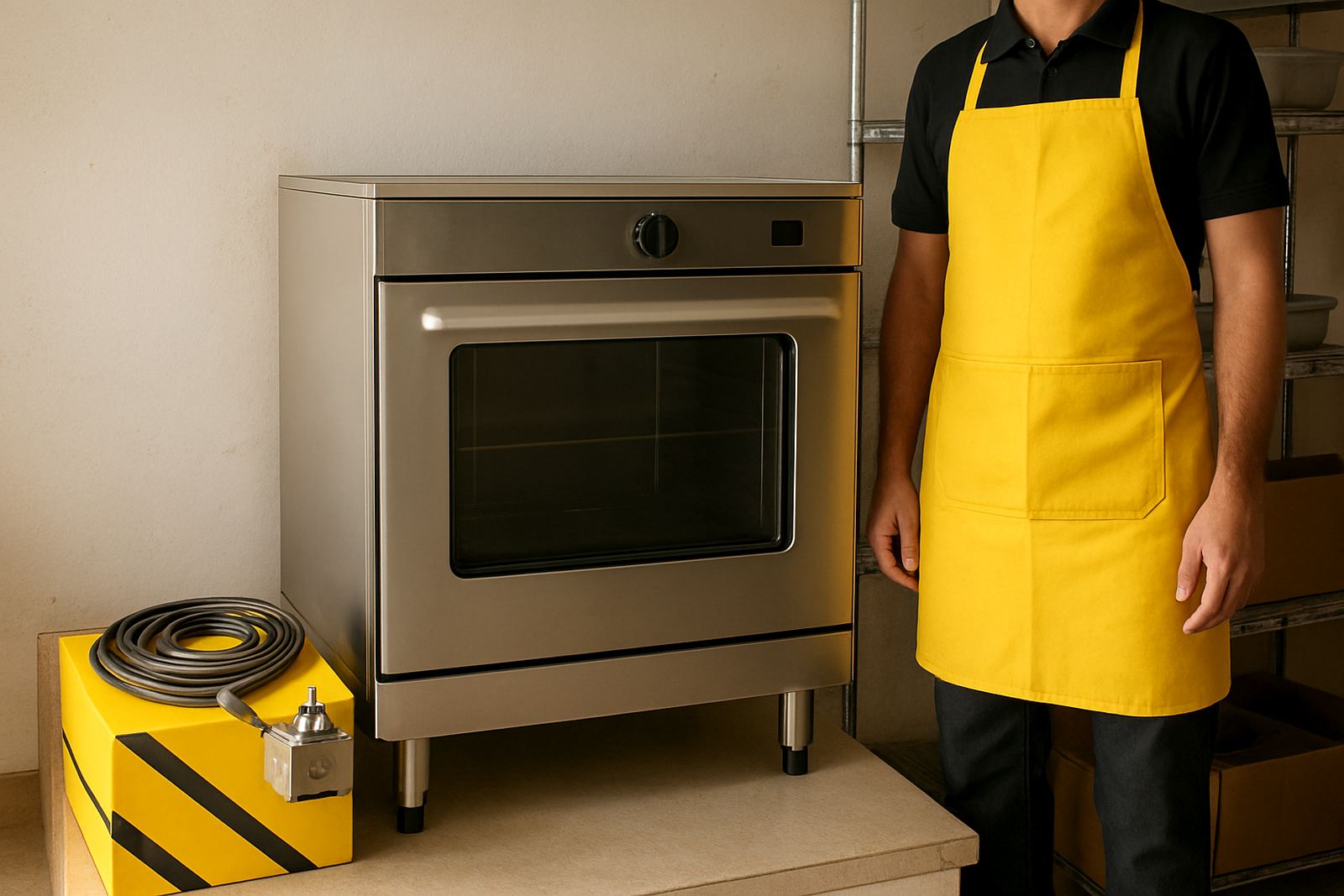
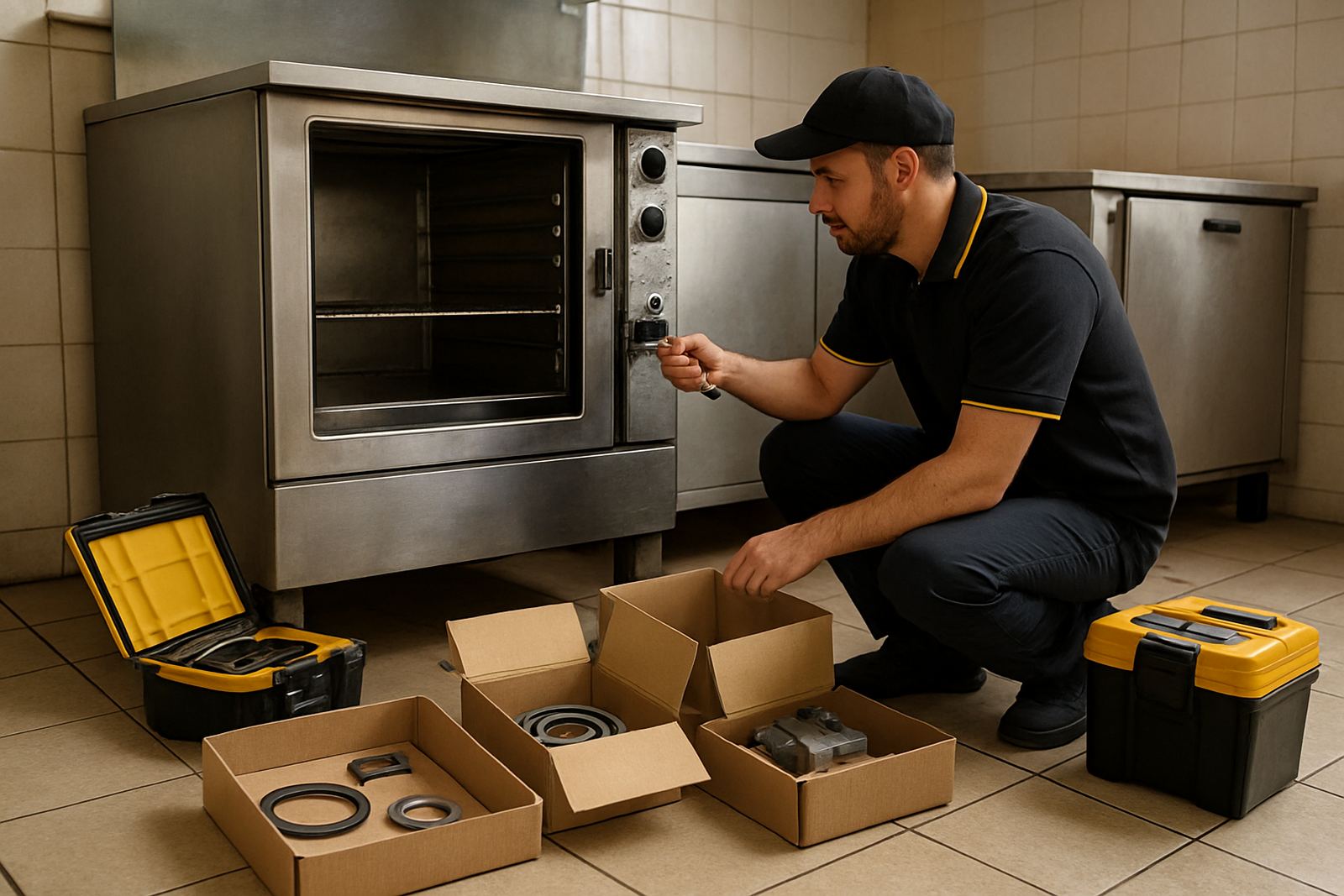
We supplied a mixed parts order that covered the main failure points the kitchen had already logged, plus a small buffer for likely wear items. That included heating elements for ovens, thermostat control parts, fryer switches, replacement gaskets for washing and hot cupboard doors, burners for gas units and several dishwasher fitting parts. Where needed, we also advised on compatible fitting kits so the team could complete the job without waiting for a second parcel.
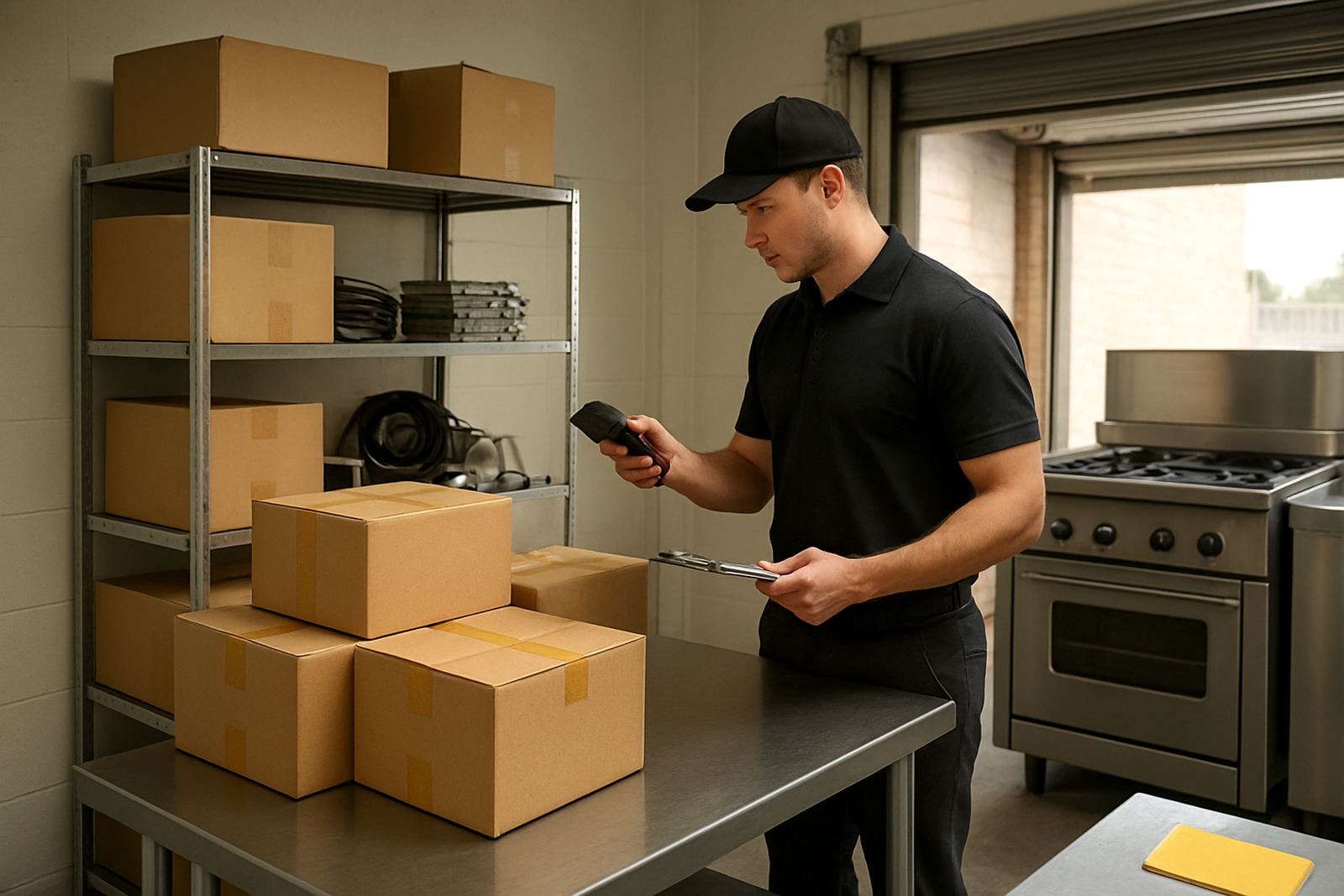
Our technical parts lead handled the compatibility check, while the warehouse and dispatch team prepared the urgent items for same-day handover to courier collection. In a few cases, the kitchen sent faulty parts through for comparison, which helped us confirm exact sizing and connection layout. This cut the risk of ordering the wrong component and having a machine sit idle for another week.
- Elements for oven heat recovery and even bake performance
- Thermostats matched to the correct temperature range
- Door and wash-area gaskets sized for a proper seal
- Burners and switches selected for the existing connections
- Dishwasher fitting parts for quicker on-site replacement
Timeline from fault report to parts arrival
The job ran over three weeks in total, with the first 2 days spent on fault review and part matching. Once the equipment list was confirmed, we split the order so the most urgent heating parts moved first and the less time-critical items followed in the same week. That approach meant the kitchen could start repairs on the machines that affected service the most, rather than waiting for one big delivery.
Week two covered receipt of the parts, on-site installation by the client’s technician and our remote checks on fit and function. By week three, the remaining items had been installed and tested during normal kitchen prep, which was useful because a bench test can miss a seal problem or a thermostat issue that only shows up under real load. A small typo in the original equipment sheet almost sent us down the wrong path, but it was caught early and corrected before dispatch.
- Week 1: fault logging, photos and compatibility checks
- Week 2: dispatch and first round of fitment
- Week 3: final testing during live kitchen use
Results after fitment and testing
The main result was that the kitchen regained reliable heat and washing performance without waiting for major equipment replacement. Oven recovery times improved, fryer controls stopped hunting, and the dishwasher doors sealed properly again so wash temperature stayed steady through back-to-back cycles. That mattered because banqueting service is unforgiving, if one unit slips, the whole prep line feels it.
The client also reduced emergency parts calls by keeping the right spares on the shelf after the job. Rather than holding random items, they now had a clearer list of the parts most likely to fail in Durban conditions. We would call that the practical win: fewer surprises, faster repair turnaround and better control over service days where timing is everything.
- Less downtime on ovens, fryers and dishwashers
- Better control of wash and heat cycles
- Fewer repeat visits for the same fault
- Smarter spare stock kept on site
What we would do again on a similar project
We would use the same approach again for any large banqueting kitchen in Durban, Pietermaritzburg or the wider KZN coast. Start with part identification, confirm compatibility before payment, split urgent and non-urgent items, then test the fitted parts under normal kitchen load. That sequence saves money and avoids the common mistake of buying a part that looks right but does not suit the machine’s rating or terminal layout.
For coastal kitchens, we would also suggest keeping a short list of high-wear spares on hand, especially gaskets, switches and thermostat parts. If the site is exposed to salt air or frequent power interruptions, those are often the items that fail first. A small amount of planning now can prevent a much bigger breakdown on a busy Friday or before a full house function.
- Keep model plates and part photos on file
- Stock the most common wear items locally
- Plan for humidity, corrosion and power interruptions
Key facts
| Project location | Durban, KwaZulu-Natal |
|---|---|
| Client type | Large banqueting kitchen |
| Timeline | 3 weeks from fault review to final testing |
| Core parts | Elements, thermostats, gaskets, burners and switches |
| Supply route | Midrand dispatch to Durban |
| Support scope | Part identification, compatibility checks, fitting support and post-fit testing |