A planned maintenance order for a busy Port Elizabeth canteen
The client was a large staff canteen in Port Elizabeth serving daily hot meals to shift workers and office teams. Their maintenance lead wanted to get ahead of failures before month end, because once a fryer element or oven thermostat goes down, service slows quickly and the line starts stacking up.
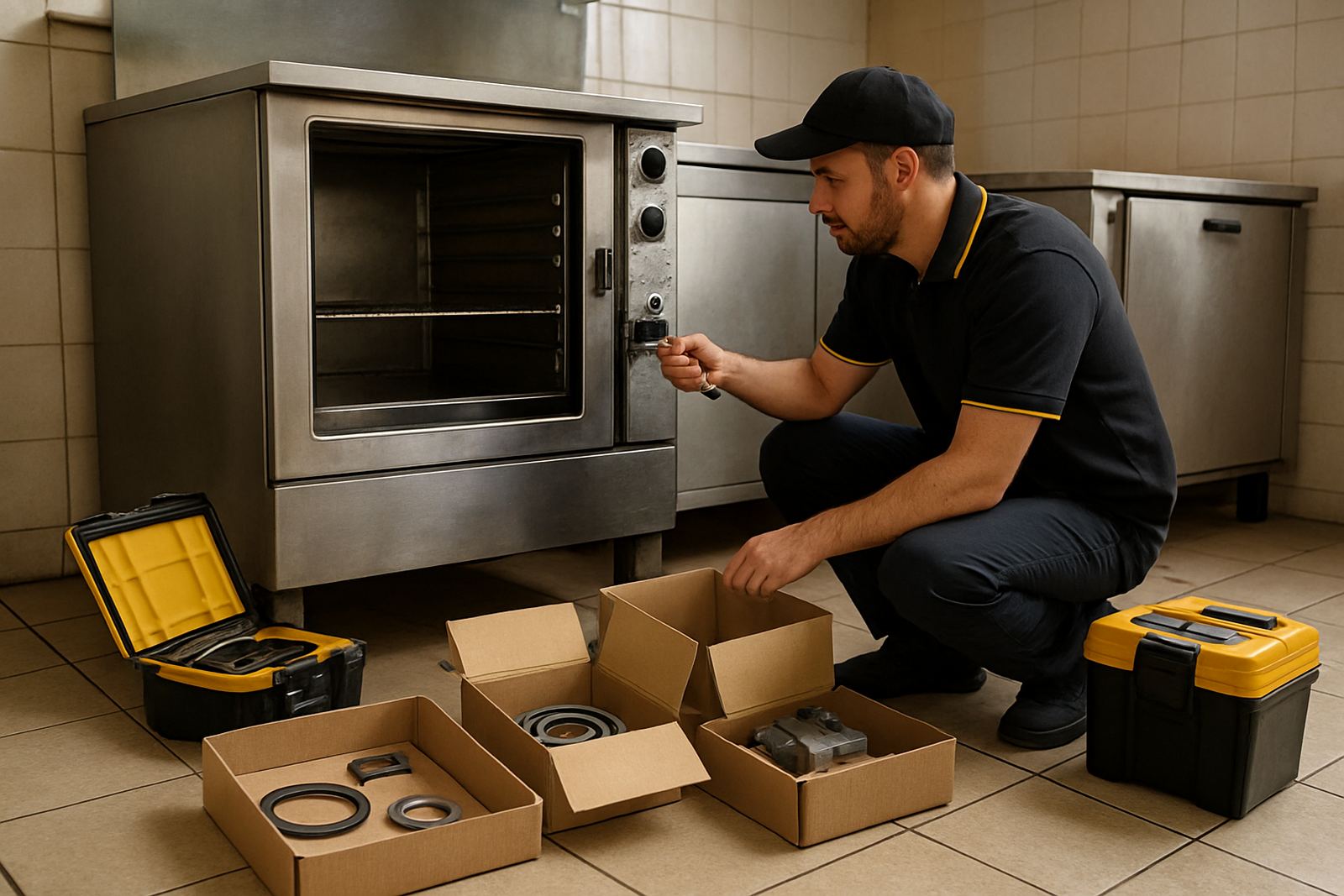
The order covered a mixed set of spares for three equipment groups: a commercial fryer, a convection oven and a heated holding cabinet. We were asked to keep the order practical, with items that matched the existing units rather than generic substitutes. That meant confirming voltage, wattage, mounting style and the physical size of each part before anything was released.
What made the brief tricky
The main challenge was that the kitchen had equipment from different service periods, so not every component followed the same pattern. One fryer used a tubular element with a specific bend radius, while the oven needed a thermostat with a narrow operating band and the cabinet needed a door gasket that could handle constant opening and closing. In Port Elizabeth, coastal humidity can also shorten the life of contacts and seals if the fit is poor or the part is underspecified.
- Cross-checking old part numbers against the machine plate details
- Confirming element length, fixing points and terminal layout
- Checking thermostat range and capillary length
- Matching gasket profile, corner shape and frame size
- Making sure switch ratings suited commercial duty cycles
There was also a timing issue. The canteen had a short maintenance window and the work had to happen around meal production, so parts had to arrive together and be ready for fitting in one go, not in stages.
Parts supplied and fitting support
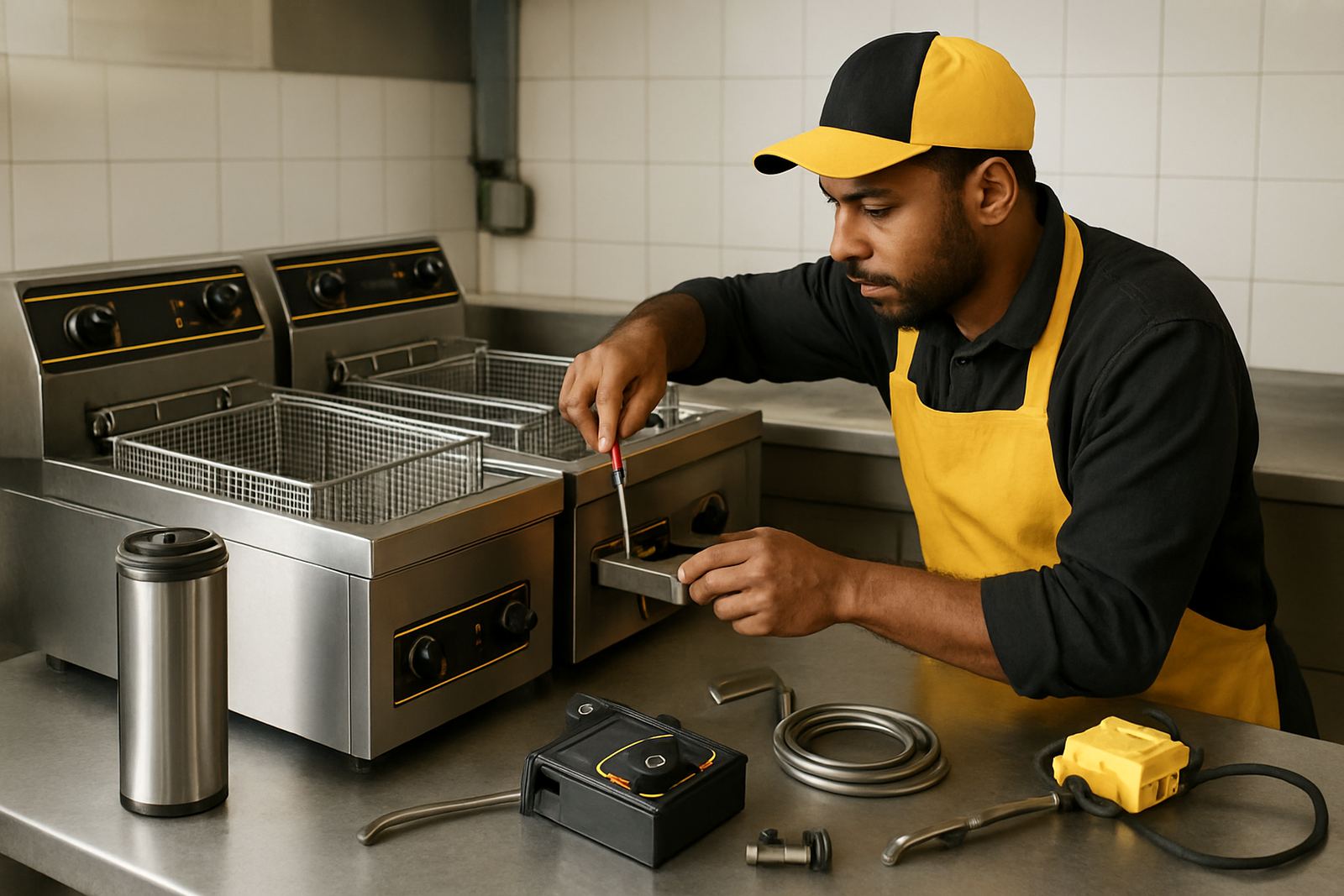
We supplied fryer elements, oven thermostats, cabinet gaskets, burner-related spares, replacement switches and a small number of fast-moving service items such as terminals and high-temp connectors. The aim was to cover the known faults, the likely wear points and a few backup pieces in case a hidden issue came up during strip-down. That saved the client from a second run to the depot.
Our technical parts lead checked the compatibility on each line item before release. Where needed, we arranged fitting support for the element and thermostat work, plus gasket fitting on the heated cabinet door so the seal sat evenly and did not pinch at the corners. Post-fit testing was also included to confirm cut-in and cut-out on the controls and to check that heat-up times stayed within normal range.
- Fryer element matched to the existing flange and terminal spacing
- Oven thermostat supplied with the correct sensing length and temperature band
- Cabinet gasket cut and fitted to the door frame dimensions
- Switches selected for commercial current draw and repeated use
- Testing completed after fitment to confirm safe operation
Timeline from order check to dispatch
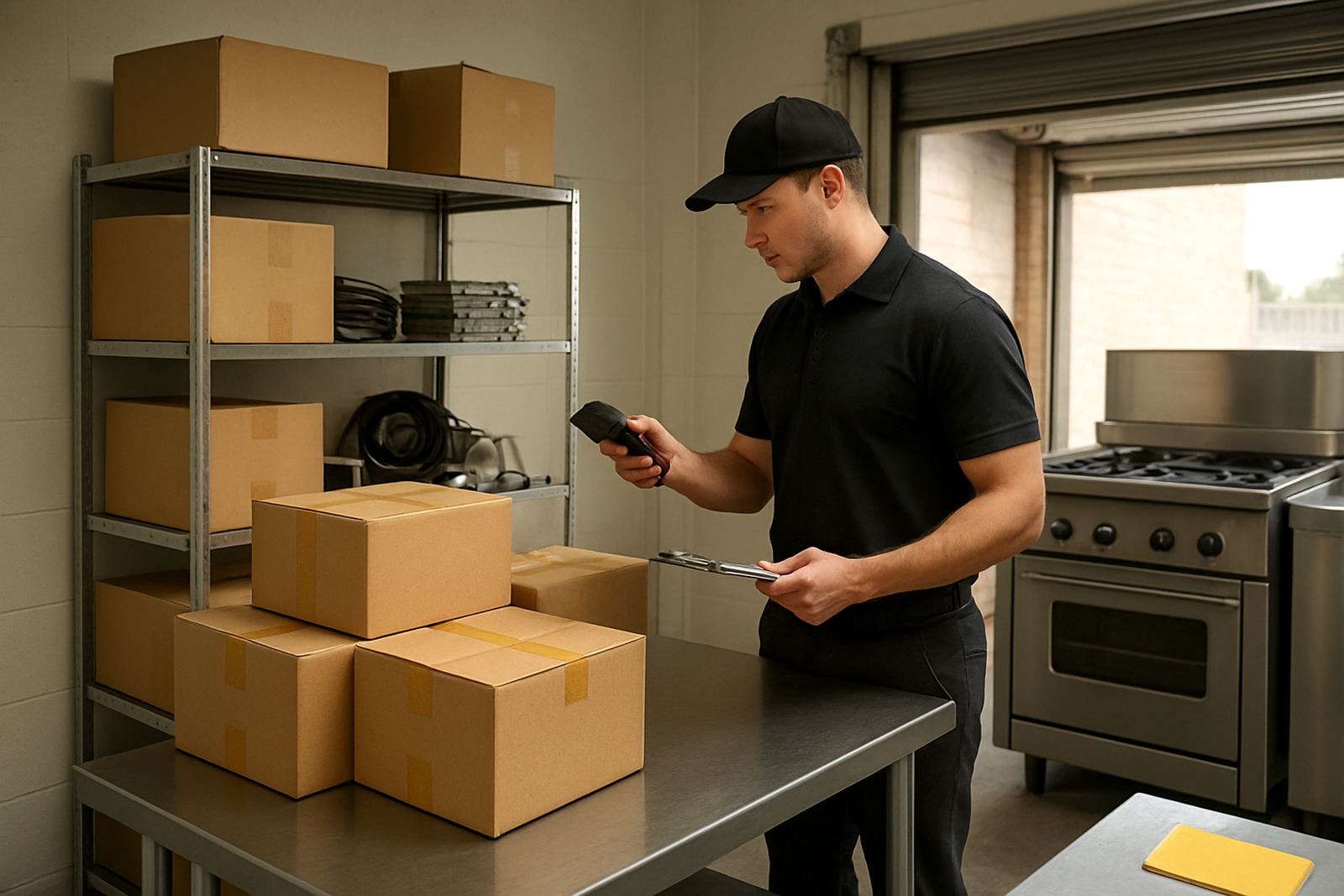
The job moved over two weeks from first enquiry to dispatch. Week one was for identification, measurements and compatibility checks. Week two covered picking, packing and release from our Midrand base for national delivery to Port Elizabeth. The client did not want guesswork, so we held the order until all line items were confirmed and packed together.
Because the items were being used for planned maintenance rather than emergency repair, this approach worked well. It reduced the chance of a wrong part landing on site and kept the maintenance team on schedule. Once the shipment arrived, the fitter could move straight into strip-down and replacement without waiting on missing items.
Results for the kitchen team
The canteen completed the shutdown work in the planned window and got the fryer, oven and heated cabinet back into service without extending the outage. The replacement parts restored temperature control, door sealing and switching response, which made day-to-day operation steadier during peak meal periods. That matters in a site like this where even a short delay can throw off tray lines and service times.
The maintenance lead also had better visibility on future wear. With the main consumables identified and noted, the next service round will be easier to plan. That kind of preparation is useful in coastal towns where salt air, steam and heavy use can wear parts faster than expected, especially on gaskets and electrical contacts.
What we would do again on a similar job
We would handle the next canteen order in the same way: confirm each part against the actual equipment, bundle the spares by machine type, and keep one technical check before dispatch. For mixed kitchens, that step prevents the common problem of having the right part for the wrong unit.
We would also keep the fitment and post-fit test option in place. On fryer and oven work, the part itself is only half the job. If the element, thermostat or switch panel is not checked after fitting, faults can hide until the kitchen is busy again and then the downtime becomes much more expensive.
Key facts
| Project town | Port Elizabeth |
|---|---|
| Client type | Commercial canteen |
| Equipment covered | Fryer, oven and heated cabinet |
| Scope | Parts identification, compatibility checks, supply and fitment support |
| Timeline | 2 weeks from first check to dispatch |
| Key spares | Elements, thermostats, gaskets, burners and switches |