Campus canteen in Randburg, and the lunch window that could not slip
The client was a campus canteen in Randburg serving staff and students through a tight midday rush. Their kitchen had a few units still running, but the hot line was fighting temperature drift and one fryer was taking longer than usual to recover after each basket drop. In practical terms that meant slower service, uneven food finish, and a growing risk of queues at the very time they needed pace.
The brief was simple: identify the most likely failure points, supply the right spare parts first time, and get the kitchen stable before the peak lunch period. Because the site was working on a fixed service schedule, there was no room for trial and error. The canteen needed usable equipment, not guesswork.
What was getting in the way of a clean repair
There were three main constraints. First, the kitchen ran during the day, so repairs had to be planned around service gaps. Second, the site was on the edge of load-shedding exposure, which meant temperature recovery had to be dependable after power interruptions. Third, the canteen sat in an area where delivery timing matters, so the parts needed to arrive from Midrand without delay and without needing repeat trips.
Our technical parts team checked the failures against the equipment type, make of fitting, and the symptoms reported by the kitchen team. That matters because a loose thermostat reading can look like a bad element, and a worn gasket can mimic a door fault. Getting the diagnosis right saves both time and Rand.
- Intermittent heat on one oven cavity
- Slow fryer recovery after service bursts
- Dishwasher rinse temperature dropping below target
- Door seals showing hardening at the corners
Parts supplied for cooking, sealing, and wash-up
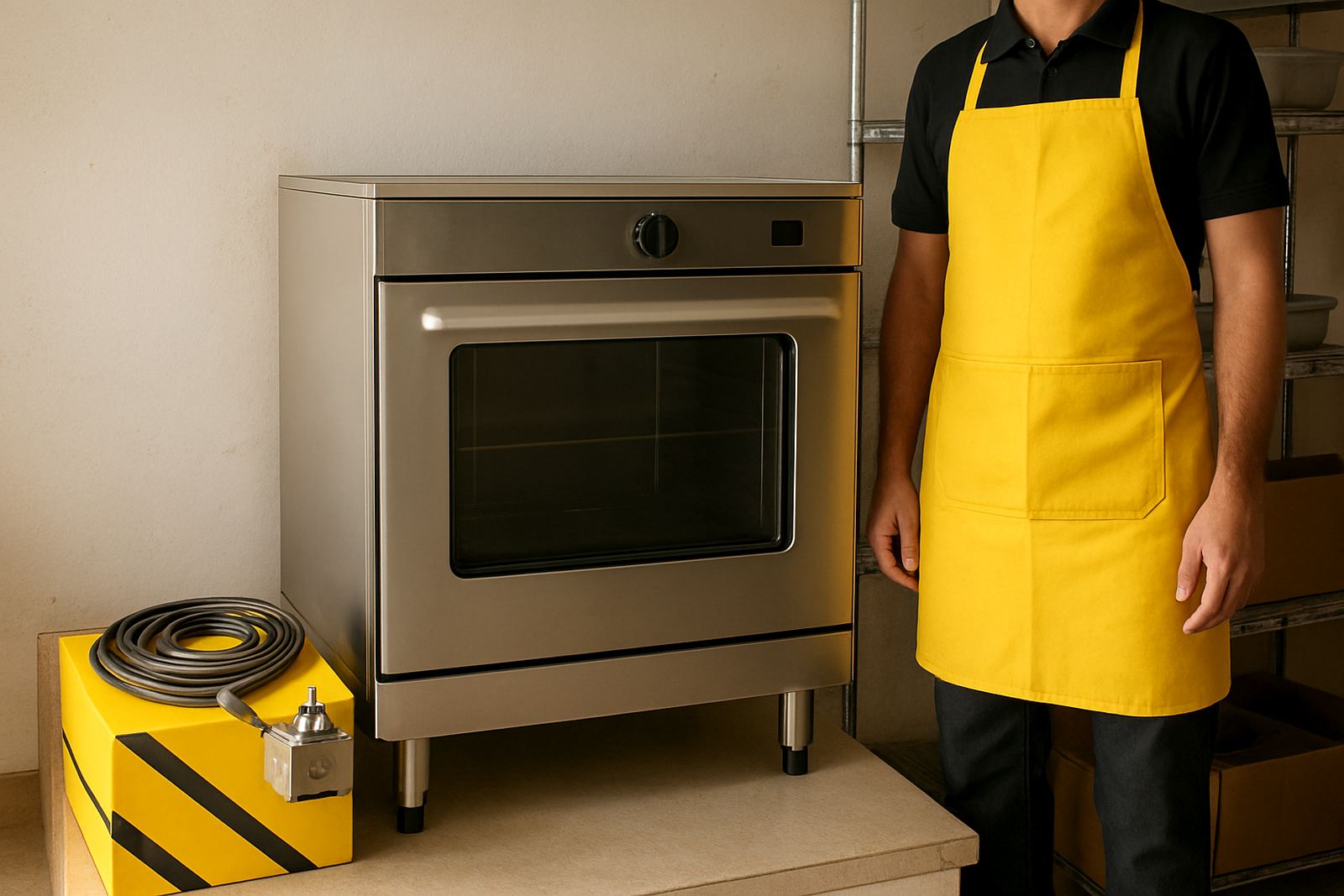
We supplied a mixed basket of spares matched to the faults reported and the equipment on site. The order included replacement elements, thermostats, oven and fryer gaskets, burner components, switches, and dishwasher parts. Where needed, we also included fittings and consumables for safe installation, because a part on its own is not enough if the connection points are tired or the seal has gone brittle.
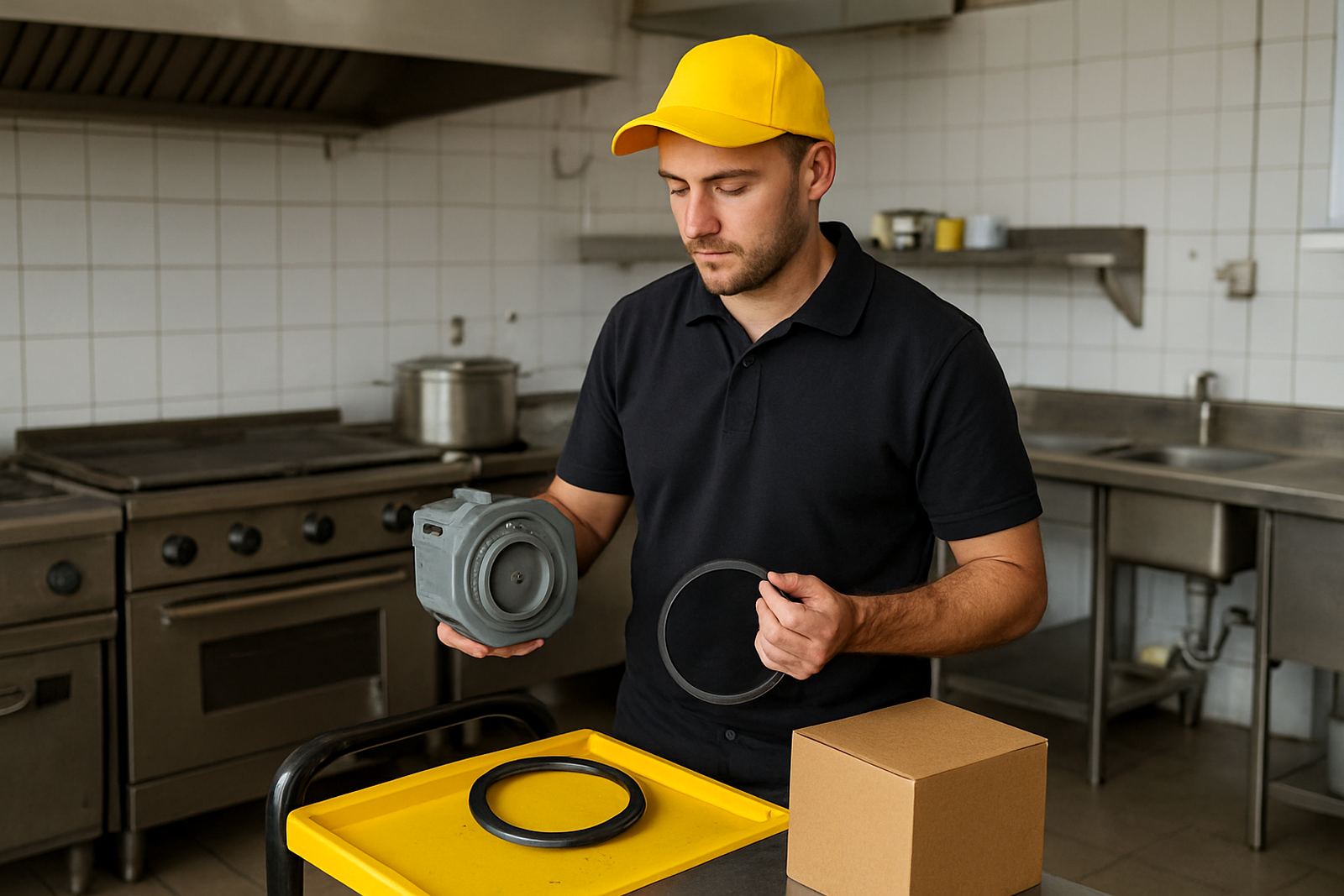
The key item specs were chosen for working kitchens, not light-duty use. Elements were selected for the correct voltage and wattage rating, thermostats for the required control range, and gaskets for the actual door profile and heat exposure. In a canteen that opens and closes all day, even a 5 mm mismatch at the seal can throw off holding temperature. We checked all compatibility details before dispatch so the site did not end up with parts that nearly fit but not quite.
- Heating elements matched to the appliance ratings and mounting pattern
- Thermostats supplied with the correct sensing range and probe length
- High temperature gaskets cut to size for oven and hot holding doors
- Burner and switch parts selected for commercial duty cycles
Fitting, testing, and the return to service
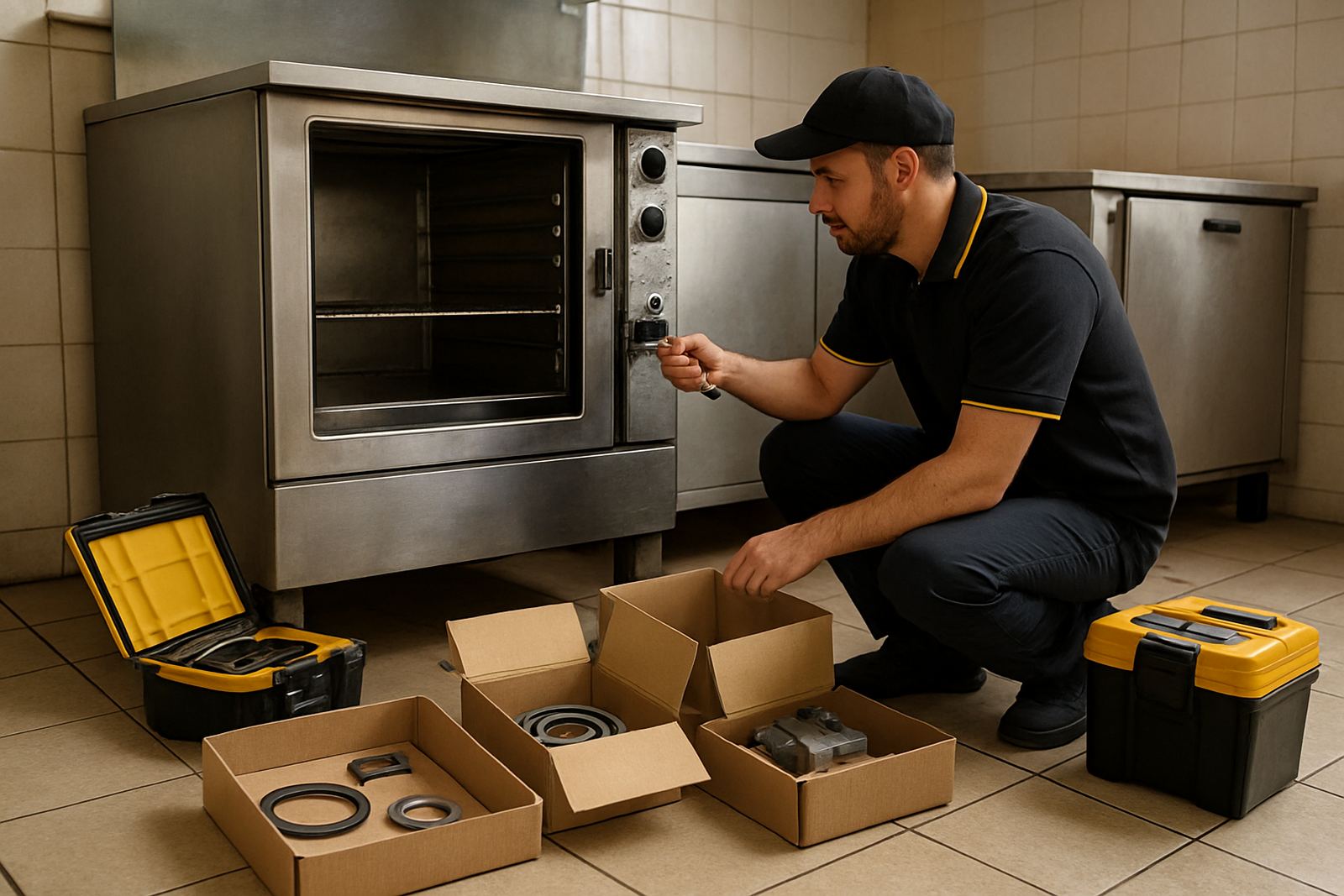
Our fitting team handled the element and thermostat swaps, replaced worn door seals, and worked through the burner and switch repairs in sequence so the kitchen could be brought back online with the least interruption. The dishwasher received part replacement and post-fit testing to confirm rinse and wash temperatures held where they should. We also carried out a quick functional check after each repair, because a good part can still fail if the wiring, terminals, or seating is not right.
On a live kitchen like this, the order of work matters. We started with the equipment that affected the lunch line most directly, then moved to wash-up support once the main cooking side was steady. That kept the team moving and reduced the chance of a last-minute scramble before service.
Two-week programme from callout to stable service
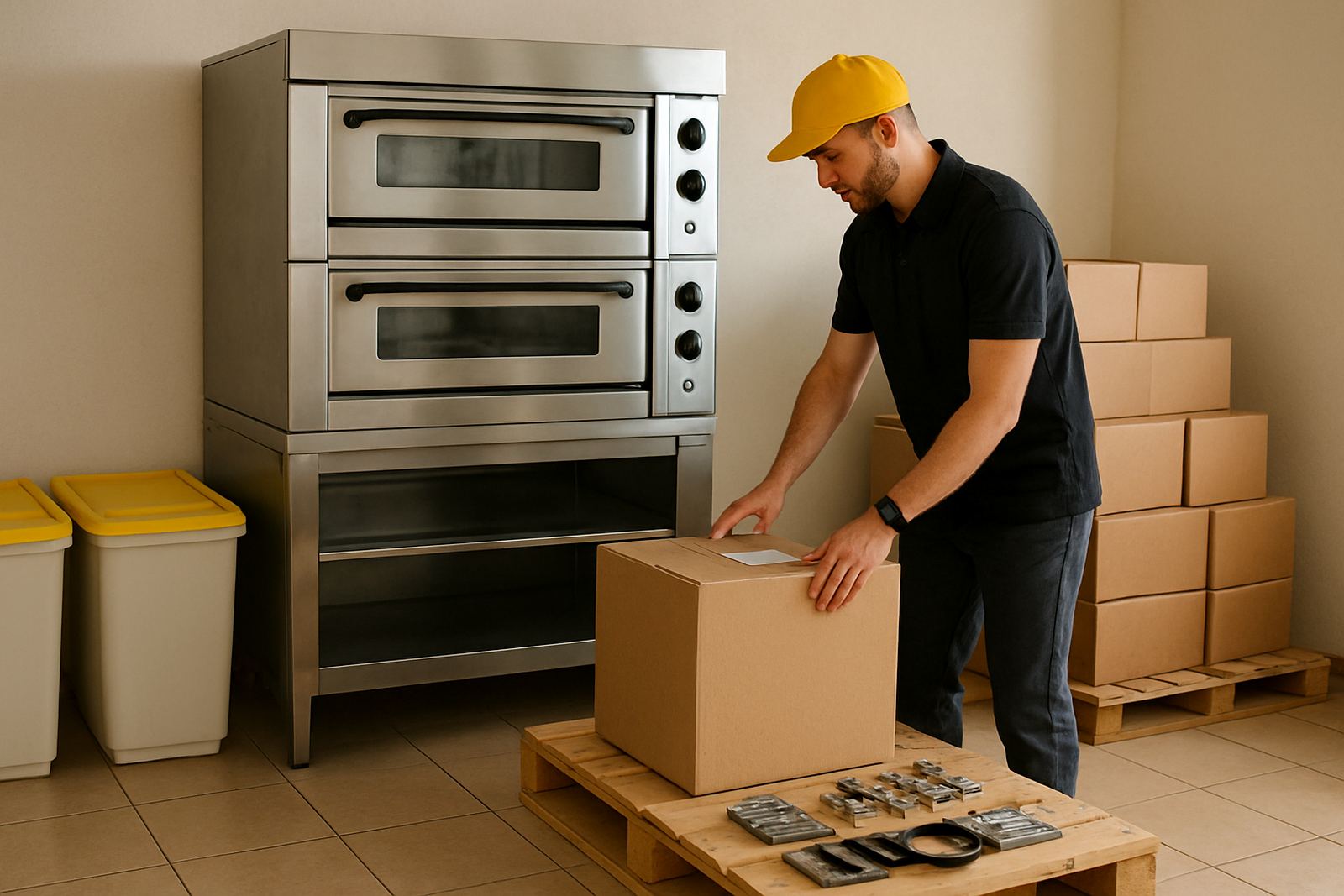
The work ran over two weeks. In week one we completed the part identification, confirmed compatibility, and dispatched the first batch from our Midrand base. By the end of that week the core cooking items had been fitted and tested. In week two we returned for the remaining appliance items, final adjustments, and post-fit checks on temperature control and recovery times.
Because the campus kitchen could not afford a long shutdown, the project was split into practical stages. That gave the client working equipment as soon as each section was ready, instead of waiting for one big turnaround. The result was a steadier lunch service and far fewer interruptions from tripping parts, poor seals, or lagging heat. There was also less strain on the kitchen team, who were no longer trying to nurse equipment through service with a prayer and a timer.
- Week 1: fault checks, part sourcing, first dispatch, initial fitting
- Week 2: remaining fittings, calibration checks, final testing
- Outcome: cooking and hot holding stabilised before the busiest lunch service slots
What held up best after the repairs
After the parts were installed, the biggest improvement was consistency. Ovens reached target temperature more cleanly, fryers recovered faster between batches, and the dishwasher held its cycle conditions better through the wash period. The canteen team could plan production again instead of building in extra buffer time for equipment uncertainty. That meant fewer delays at the pass and a better chance of keeping food moving at lunch.
For this kind of site, the real measure is not just whether a unit starts working again, but whether it stays predictable through a full service period. The repaired equipment did that. Hot holding held better, seals closed properly, and the staff had clearer signs that the kitchen was back under control.
What we would do again on a campus site like this
We would repeat the same approach on any busy campus canteen in Gauteng: identify first, dispatch quickly, fit in sequence, and test under real service pressure. That process works because it respects the way a working kitchen actually runs. There is no point swapping random parts and hoping for the best, especially when the lunch queue is already forming and the fryer is still cooling off too slowly.
If the site asked for a follow-up, we would recommend a simple spare-parts plan for elements, thermostats, burner items, gaskets, and key switches. Keeping those on hand reduces downtime when weather, load-shedding, or heavy service use starts to expose weak points again. It is cheaper to replace one worn seal early than to lose a full lunch service because a door will not hold heat properly.
Key facts
| Project | Randburg Campus Canteen |
|---|---|
| Location | Randburg, Gauteng |
| Supply model | National online dispatch from Midrand |
| Timeline | 2 weeks |
| Parts supplied | Elements, thermostats, gaskets, burners, switches, dishwasher parts |
| Services used | Part identification, compatibility checks, fitting and post-fit testing |