Lodge kitchen in Roodepoort, steady service under pressure
This project came from a busy lodge kitchen in Roodepoort that serves breakfast runs, conference meals, and evening functions through the week. The team needed quick parts support for ovens that were taking longer to recover temperature and losing heat at the door. In a setting like that, a weak gasket or a worn fan motor can throw off baking times, increase electricity use, and make it harder to hold food quality across a full service.
The brief was simple on paper, but practical in the real world. The kitchen needed parts that matched the existing equipment, could be supplied fast, and would suit a site that runs long hours. Because the lodge sits in a city area with regular deliveries and tighter back-of-house access, the work also had to be organised around service periods so the kitchen could keep moving.
What the kitchen asked us to solve
The main issue was heat loss around the oven door and slow air movement inside the cavity. That combination usually shows up as food cooking unevenly, longer preheat times, and more strain on the heating system. The team also reported that the oven was cycling more often than usual, which can be a sign that the seal is not closing properly or the fan assembly is no longer moving air as it should.
- Worn door gaskets causing visible heat escape
- Reduced internal air circulation from tired fan motors
- Uneven bake results between trays
- Longer warm-up and recovery times during service
- Pressure to limit downtime in a live lodge kitchen
We worked from the equipment details, photos, and measurements supplied by the kitchen team, then checked compatibility against the unit type and fitting points. That step matters because a gasket that is even a few millimetres off, or a motor with the wrong mounting pattern, will create more trouble than it solves.
Parts supplied and fitting support
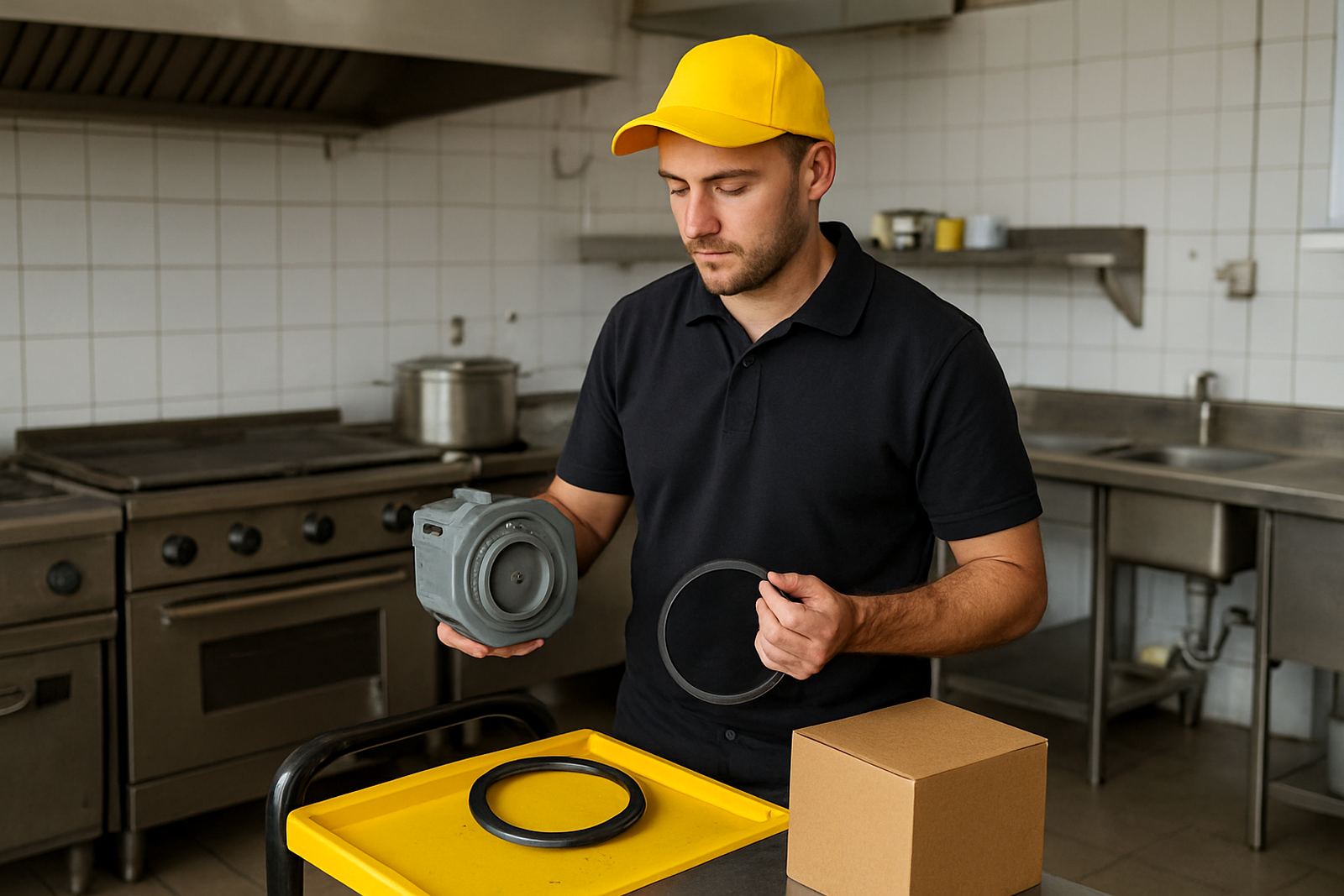
We supplied replacement door gaskets and fan motors suited to the existing ovens, with compatibility checked before dispatch from Midrand. The gasket sets were selected for a tight door seal and resistance to the kind of daily wear common in commercial kitchens. The fan motors were supplied to restore proper circulation inside the oven cavity so heat could move evenly from top to bottom and across the shelves.
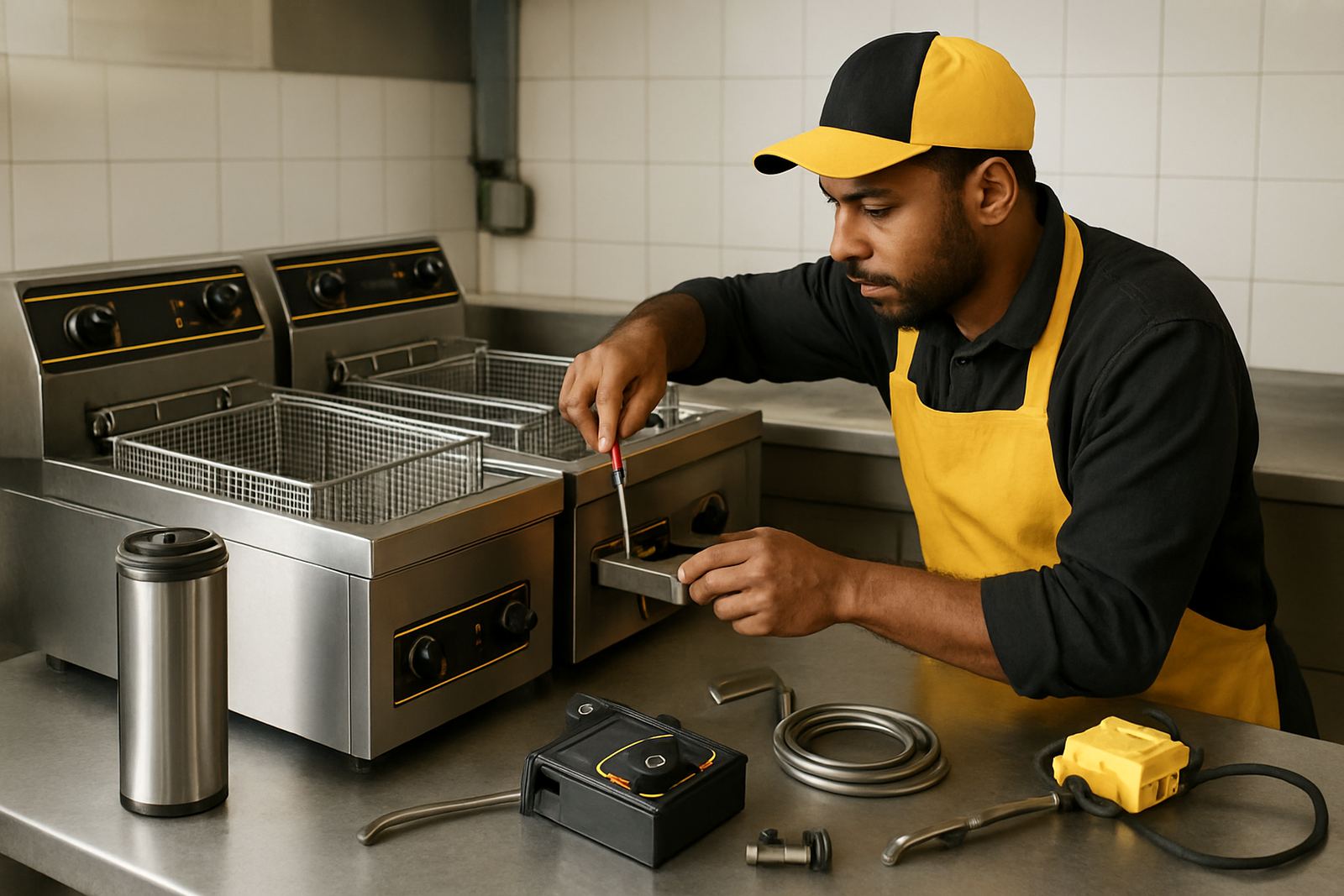
Where needed, we supported the kitchen with part identification and fitting guidance, including checks on orientation, fixings, and safe electrical isolation before work began. The lodge had limited space around the ovens, so the fitting had to be neat and controlled, not rushed. We also advised the team to inspect hinges, latches, and surrounding seals at the same time, because a fresh gasket on a worn door frame will never sit right for long.
- Door gaskets matched to the oven profile and closure line
- Fan motors supplied for correct voltage and mounting pattern
- Fitting checks completed before the unit went back into service
- Advice given on door alignment and cleaning around the seal channel
Timeline from request to back-in-service
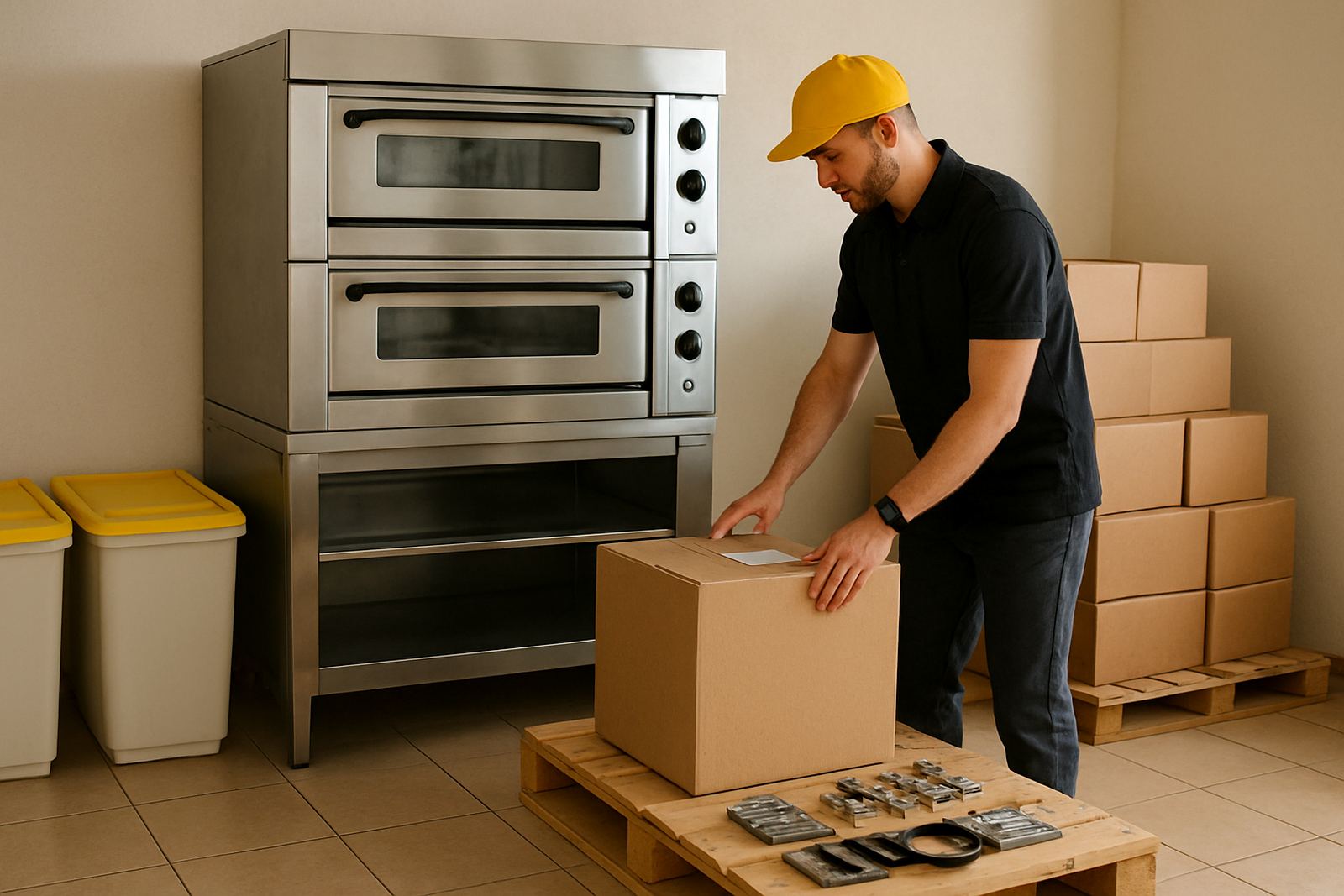
The full job ran over two weeks from first contact to final checks. Week one covered identification, photo review, measurement confirmation, and stock matching. Once the correct parts were confirmed, the order was dispatched from our Midrand depot to Roodepoort without delay. Week two covered fitment support, testing, and a final review after the ovens had run through normal kitchen use.
That timeline worked because the kitchen gave clear information early, including equipment type, symptoms, and the time windows when the ovens could be taken offline. Good information saves time. It also reduces the risk of ordering the wrong part, which is a common problem when a unit has had previous repairs or non-standard parts fitted by someone else.
What changed after the repair
After the new gaskets were fitted and the fan motors were installed, the ovens held heat better and recovered faster between loads. The kitchen reported more even browning, better temperature control, and less heat leaking from the door edge during service. That may sound small, but in a lodge kitchen it makes a real difference to timing and energy use.
The team also had fewer complaints about edge burning on tray bakes, which usually points to airflow problems or hot spots inside the cavity. The oven doors felt more secure on closure, and the staff could rely on the unit for breakfast prep and function service without pausing to second-guess every batch.
- Better seal at the door, with less visible heat loss
- Improved air movement inside the oven cavity
- More even cooking across trays and shelves
- Shorter preheat and recovery times
- Less pressure on staff during peak service windows
What we would do again on a similar job
If we were called back to a similar lodge or guest-house kitchen in Roodepoort, we would follow the same approach: identify the unit properly, confirm measurements, check compatibility before dispatch, and plan the fitment around service times. We would also recommend a quick inspection of the fan assembly, hinge wear, and door frame at the same visit, because those small checks often prevent repeat faults.
For kitchens working through load-shedding, heavy weekend trade, or humid storage conditions, it also helps to keep a spare gasket set and note the exact motor details on file. That way a future breakdown does not start from scratch. A short service note, a few clear photos, and the right measurements can save hours later on.
In this case the result was straightforward: the lodge got its ovens back into better working condition, the staff had less guesswork, and the kitchen could keep service moving with less interruption. That is the kind of outcome we aim for on every parts job, whether it is one gasket or a full set of components.
Key facts
| Project location | Roodepoort, Gauteng |
|---|---|
| Client type | Lodge kitchen |
| Parts supplied | Door gaskets and fan motors |
| Primary issue | Heat loss and uneven oven performance |
| Timeline | 2 weeks from request to final checks |
| Support provided | Part identification, compatibility checks, fitting guidance, post-fit testing |