Roadside grill station work in Nelspruit
This project came from a high-volume grill station serving passing traffic, late meals and takeaway orders in and around Nelspruit. The team needed parts for a chargrill setup that could keep up with long operating hours, constant burner use and the sort of heat stress that comes with an open kitchen near the road. The equipment had to stay reliable through summer humidity, dust and regular wash-downs, while still meeting safe gas practice on site.
The brief was simple on paper but tight in practice: identify the worn burner components, match the correct gas fittings, replace tired seals and get the line working again with as little interruption as possible. The client did not want guesswork. They wanted the right thread sizes, the right burner pattern and parts that would fit first time. That is where accurate identification matters, because one wrong fitting can cost a service period and leave staff waiting with a full queue. We moved quickly, checked the appliance details and confirmed the part match before dispatch.
What was failing on the chargrill line
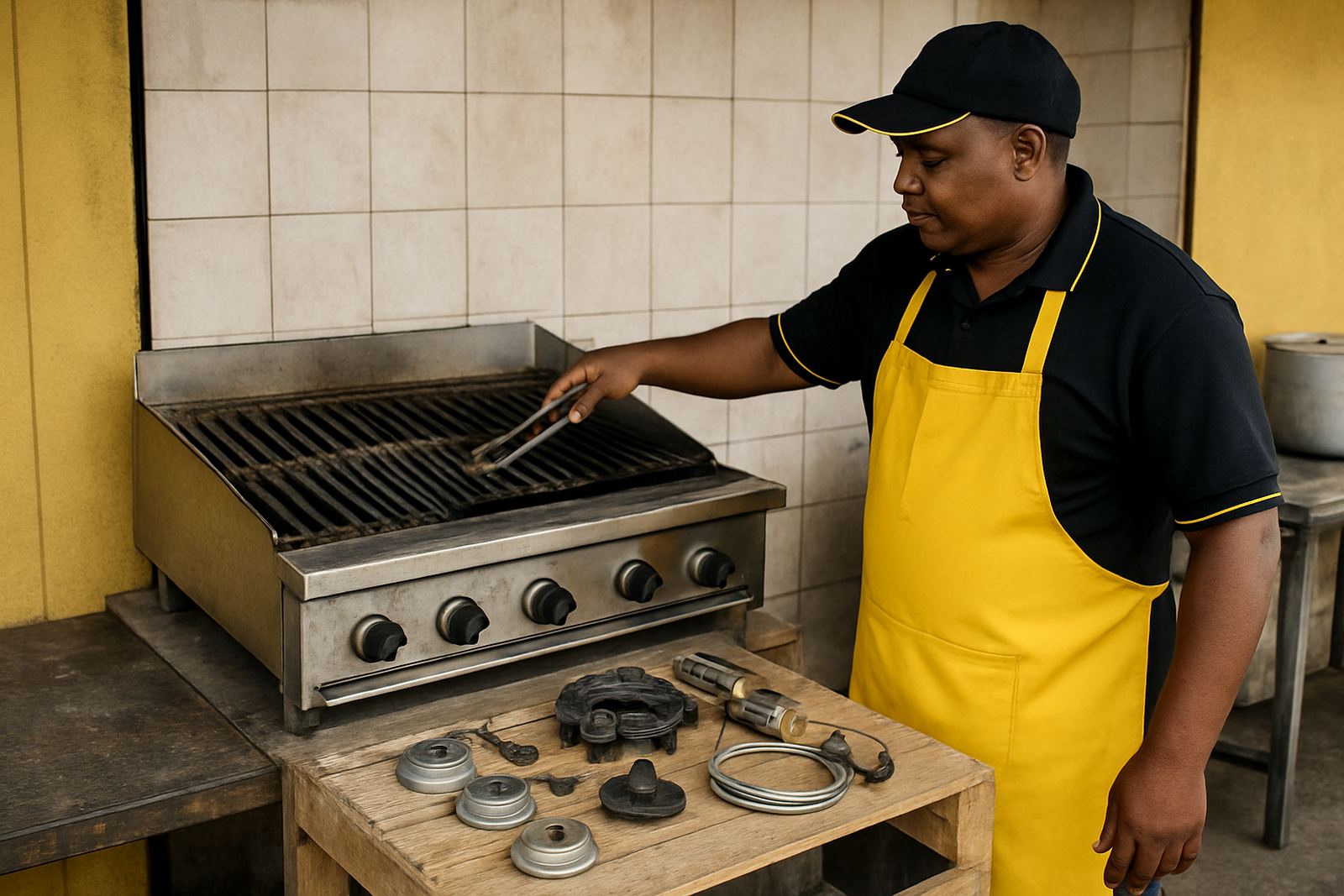
The grill station had a mix of wear issues that are common on busy gas cooking equipment. The burner ports were dirty and uneven, the ignition path was not starting cleanly, and a few gas fittings had aged from constant heat cycling. There was also concern around flame spread, which can affect cooking times and heat control. In a place that is firing meat and buns for hours on end, even a small fault shows up fast in service.
We worked through the symptoms and matched them to the likely causes. That meant checking burner dimensions, gas inlet connection sizes, the condition of the seals, and whether the original fittings had been altered during earlier repairs. On some sites you find a neat install, on others the gear has had a few quick fixes over the years, so part identification needs a careful eye. The goal here was not only to replace what was worn, but to make the whole gas path safer and simpler to maintain afterwards.
- Burner parts matched to the existing chargrill layout
- Gas fittings supplied to suit the appliance connection sizes
- Seals and related consumables checked for heat damage
- Serviceability reviewed so future cleaning would be easier
Parts supplied and fitting support
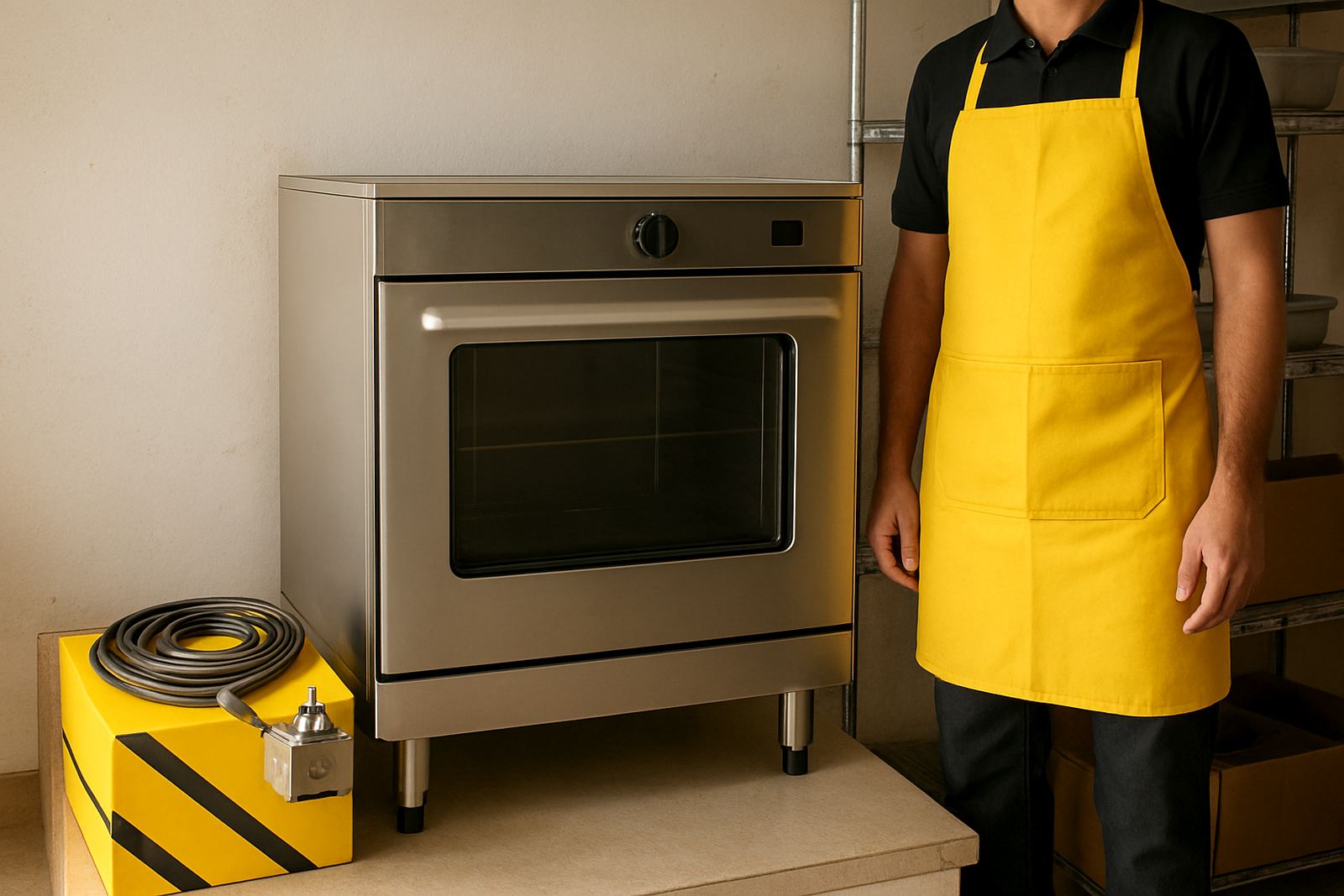
We supplied a set of chargrill burner parts and gas fittings suited to a commercial roadside kitchen. That included replacement burner components, connector fittings, high-temperature sealing items and the relevant hardware needed to complete the changeover properly. Where needed, we also provided guidance on how the parts should sit in relation to the burner tray and gas feed so the install stayed neat and accessible for future checks.
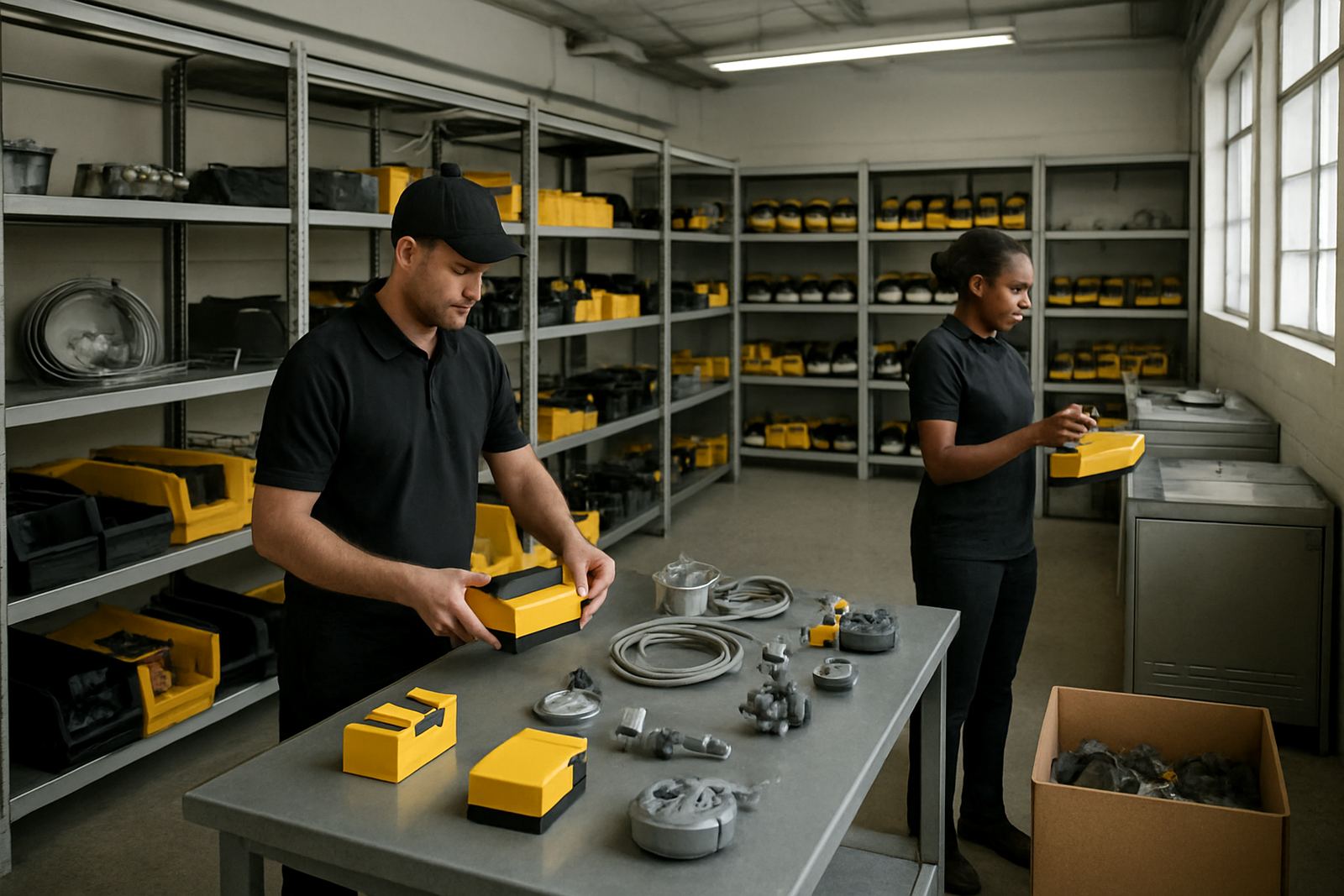
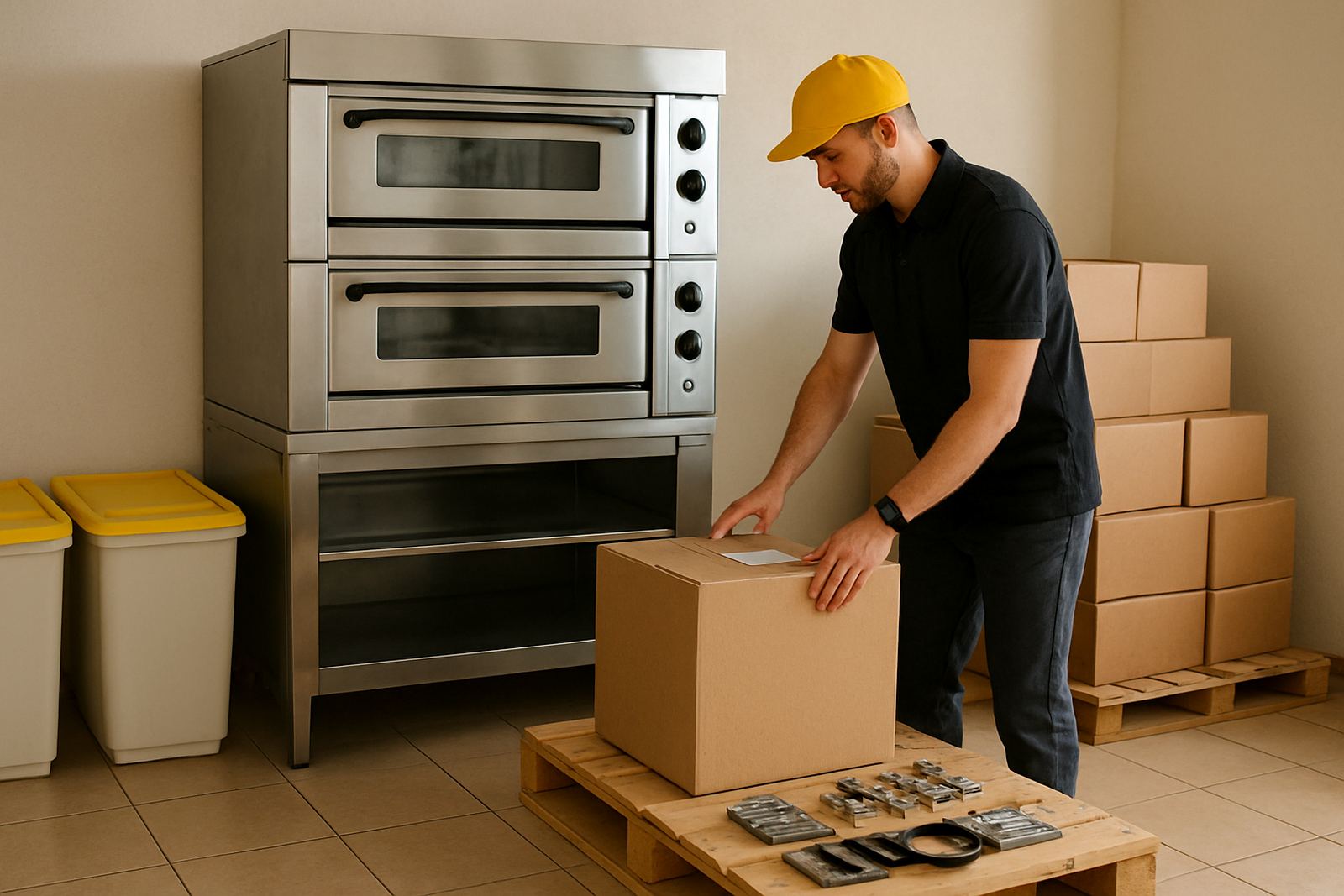
Our technical parts team confirmed compatibility before dispatch from Midrand, then arranged support for fitting once the parts landed on site. The work covered burner replacement, gas line reconnection, leak checking and post-fit testing. We also checked the flame pattern after restart, because a burner can technically light yet still run unevenly if the ports or pressure balance are not right. That final testing step is often what separates a quick fix from a proper fix, and it saved the client from having to call back for the same issue later on.
- Replacement burner parts for a commercial chargrill station
- Gas fittings and connectors matched to the existing appliance
- Leak testing completed after refit
- Flame and heat pattern checked under working conditions
Timeline, access and site constraints
The project ran over two weeks from first enquiry to final verification. Week one covered identification, compatibility checks and stock confirmation. Week two covered dispatch, fitting support and final checks after the new parts were installed. The turnaround stayed tight because the customer needed the grill station back in use before trading pressure built up. That kind of timing matters when breakfast, lunch and supper all depend on one hot line.
Access on site also influenced how we planned the job. The station had limited downtime windows, so the fitting work had to be done around service periods and cleaning. There was also the usual mix of heat, grease and busy staff movement that comes with a roadside kitchen. We kept the process practical and direct. Parts were identified off the actual appliance details, not from rough descriptions over the phone, and the fitter had the right items ready when he arrived. That cut out delays and avoided a second trip.
Results for the grill station
Once the new burner parts and gas fittings were in place, the chargrill came back with a steadier flame and cleaner heat spread. Staff could manage cooking more consistently, and the station no longer had to work around a burner that was lagging or throwing uneven heat. For a busy roadside grill, that means better speed at the pass and less wasted product from undercooked or overdone batches.
The client also gained a setup that was easier to inspect and maintain. Clean gas fittings and properly seated burner components make future servicing quicker, which helps when the kitchen cannot afford lengthy interruptions. The team reported that daily start-up was simpler and the cooking line held temperature better through the rush. It is the kind of improvement that may look small from the outside but makes a real difference when the place is full and the road traffic keeps coming.
- More even heat across the grill surface
- Quicker recovery during busy service periods
- Reduced risk of nuisance shut-downs
- Cleaner, easier maintenance between shifts
What we would do again on a similar job
For a job like this, we would follow the same process again. Start with correct part identification, confirm compatibility against the appliance, then dispatch only once the fit is properly checked. That avoids the expensive habit of sending a part that almost fits but not quite. We would also keep the fitting support involved right through to leak testing and flame verification, because gas work should never end at the point where the burner first lights.
On busy roadside kitchens, we would continue planning around trading windows and cleaning cycles. That keeps disruption down and gives the kitchen team space to test the line under real use. In humid and dusty towns like Nelspruit, we would also keep an eye on seals, connectors and burner ports during follow-up service. Those are the areas that usually age first. The job went well because it was handled with clear specs, practical timing and no unnecessary back and forth.
Key facts
| Project | Nelspruit Roadhouse Grill |
|---|---|
| Town | Nelspruit, Mpumalanga |
| Scope | Chargrill burner parts and gas fittings |
| Timeline | 2 weeks from identification to final testing |
| Service delivered | Part identification, compatibility checks, fitting support and post-fit testing |
| Result | Steadier heat output and faster service recovery |