Guesthouse Kitchen, Polokwane, Limpopo
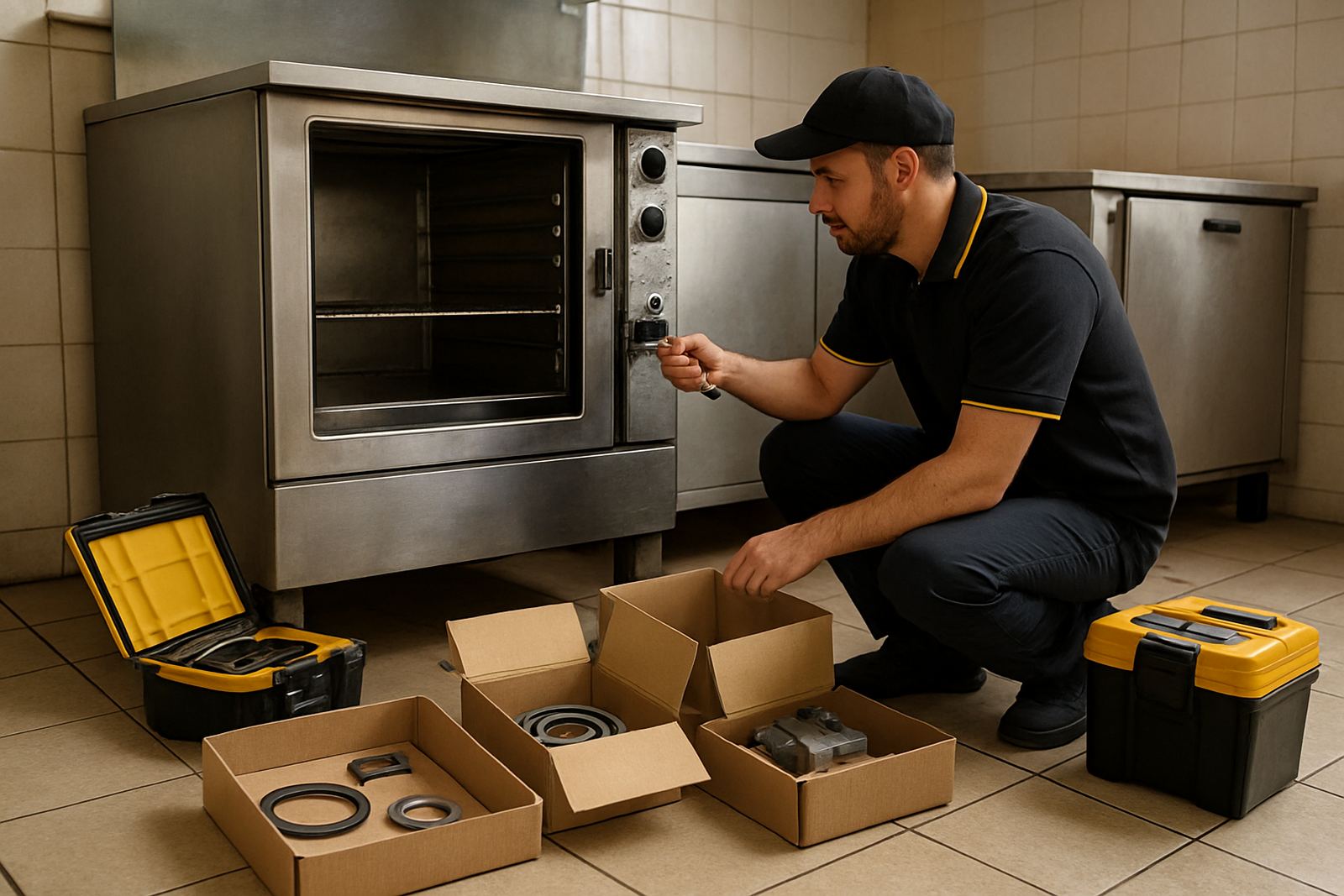
This job came from a guesthouse kitchen serving breakfast and dinner to travellers passing through Polokwane, with the oven carrying most of the load for tray bakes, reheats and daily prep. The team had lost a key heating circuit and the control side was also acting up, so the brief was simple: identify the failed parts, confirm the fitment, and get the oven usable again without waiting for a full appliance strip-down.
The kitchen had the usual pressure points we see in hospitality work. Power interruptions had left the oven cycling badly, and the staff needed a fix that would hold up under repeated use, not a quick patch. The unit was older, with a standard electric oven layout and a selector switch set that had seen plenty of heat and grease over time. We worked from photos, plate details and a few measurements, then matched the replacement parts against the unit type before dispatch. This saved the client a return trip and kept the repair moving.
What the client needed, and what we checked first
The brief was to supply an oven repair parts package that would suit a commercial guesthouse kitchen and could be fitted locally or by their own tech. The main issue was a failed element, but the selector switch showed signs of heat wear as well, so we checked both together instead of treating them as separate faults. That matters because a tired switch can burn out a new element or leave the oven heat uneven, which creates another callout in a week or two.
- Confirmed oven type and power supply from the unit details and photos
- Checked the element form, terminal layout and overall length
- Matched the selector switch positions and current rating
- Reviewed heat damage around the terminals and control panel area
- Advised on gasket condition so the door seal would not waste heat
The client also needed practical guidance on what to leave alone. In a guesthouse kitchen, opening up the wrong section can create extra downtime, especially when the oven cavity has baked-on residue and the wiring compartment is cramped. We kept the scope tight and focused on the parts that would restore function first, then suggested a follow-up check on door seal compression and terminal tightness after the first heat cycle.
Matched parts shipped from Midrand
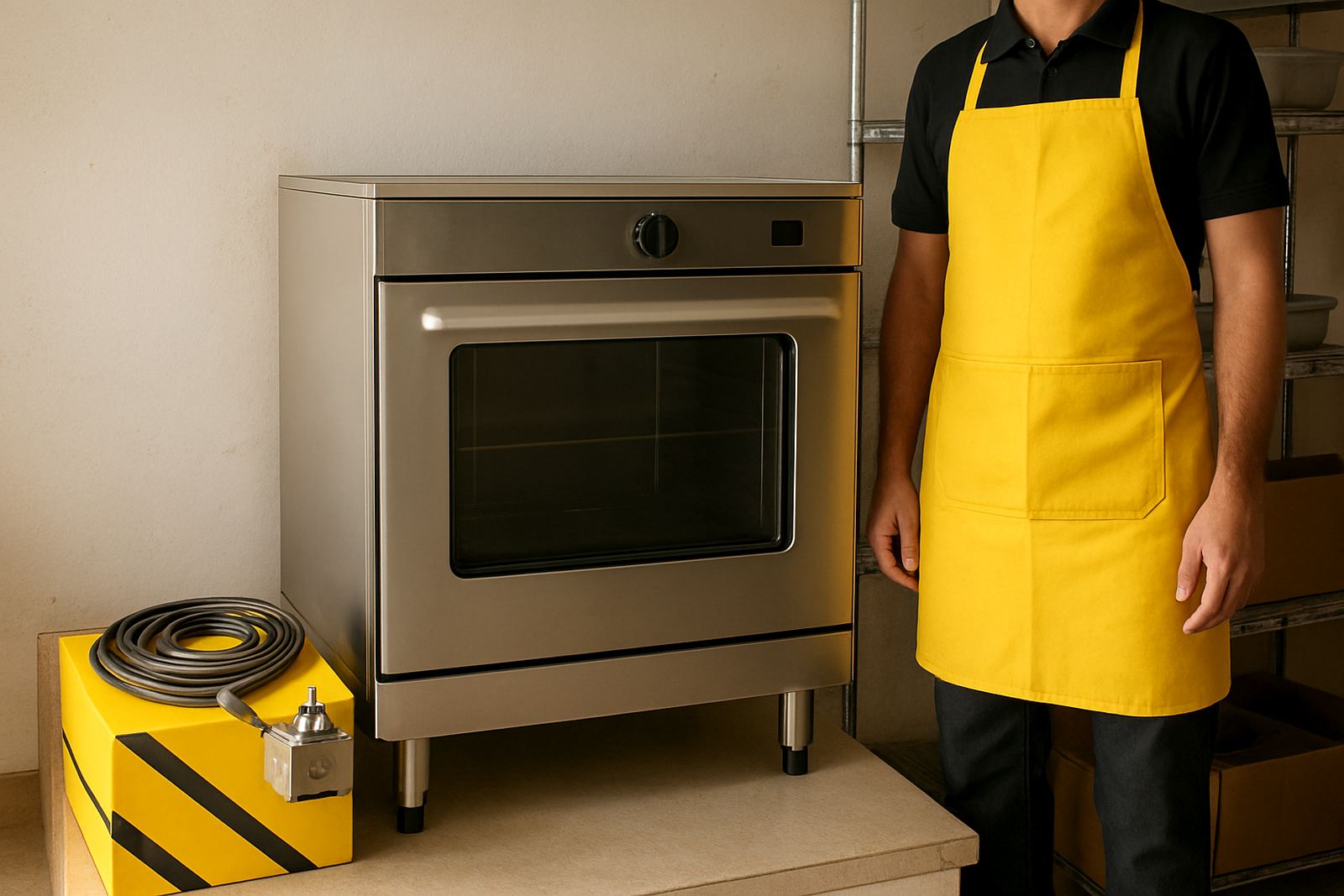
Once the part numbers and measurements lined up, we assembled the package from our Midrand base for national dispatch. The set included a correctly rated heating element and a compatible selector switch, plus basic guidance for terminal placement and first-start checks. We also included a note to isolate the supply at the board before opening the oven, because a lot of site problems come from people testing live circuits during a rush. Not clever, and not needed.
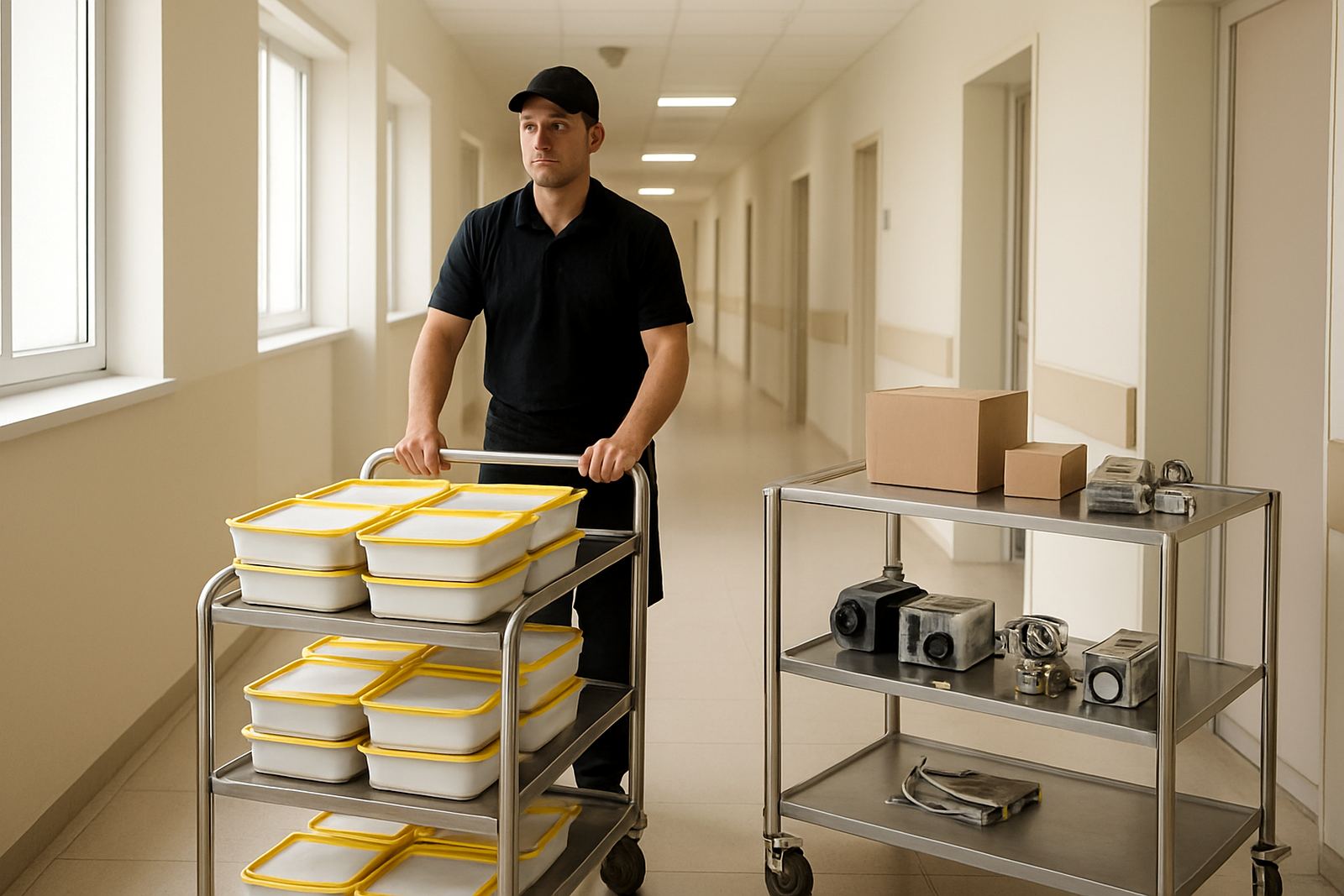
The dispatch was packed for northbound transport and labelled for the guesthouse receiving point in Polokwane. We kept the parts protected from knocks and moisture, which matters when a parcel travels through a few depots before it reaches Limpopo. The client could hand the package straight to their maintenance person, who only had to confirm the old part positions, swap the parts and test the oven under heat. For a commercial kitchen, that is often the fastest route back to service.
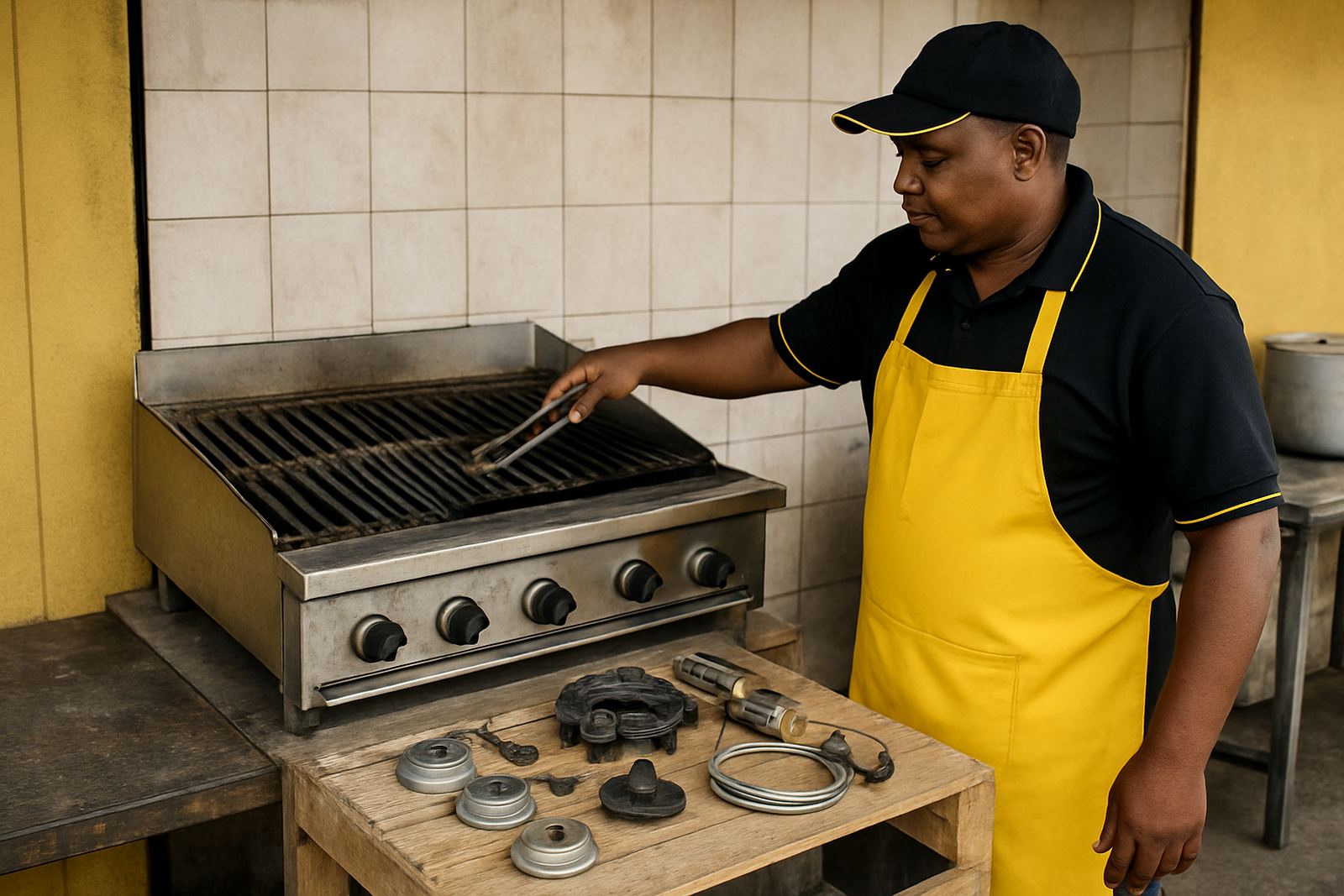
- Replacement element sized to suit the oven cavity and terminal position
- Selector switch matched to the existing control sequence
- Fitting notes included for safe installation and testing
- Packaged for transport through a national courier chain
Timeline and fitting sequence
The whole job moved over roughly two weeks from first contact to final confirmation. The first few days were spent identifying the appliance, checking the failed parts and confirming the correct replacements. After that we prepared the dispatch from Midrand and sent it north. Once the package landed in Polokwane, the local fitting and test phase took place the same week, depending on kitchen trading hours and access to the oven.
That schedule suited the client because guesthouse kitchens often work around breakfast service, cleaning windows and room turnover. There is rarely a long break where you can pull a unit apart and leave it on the floor. We kept the process practical, with a clear handover point and no unnecessary back-and-forth. The oven was back in use after fitting, and the kitchen could resume normal prep without juggling borrowed equipment or cancelling part of the menu.
Results in a working guesthouse kitchen
After fitment, the oven heated evenly again and the selector positions responded as expected. The team reported steadier temperature control, which is what you want when the same oven is being used for muffins one hour and hot meals the next. A stable oven also cuts waste, because staff stop guessing at cooking times and trays stop coming out half done or overbrowned.
The result was not just that the unit switched on. It was that the appliance became dependable in daily service, which is the real measure in hospitality work. In a guesthouse setting, one unreliable oven can affect breakfast, staff meals and functions all in the same week. Getting the correct element and switch into place meant the kitchen could keep moving without a backup plan every morning.
We also advised the team to keep the wiring compartment dry and to avoid overloading the oven with grease build-up around the door seal. Coastal humidity is not the issue in Polokwane, but dust, cooking residue and voltage swings can still shorten component life if no one checks the basics. A quick clean and a terminal re-tight every so often goes a long way.
What we would repeat on the next oven call
If we had the same job again, we would handle it the same way: confirm the fault first, match the element and selector switch together, then send the package with clear fitting notes. That approach works because oven faults often overlap. You can fix the visible failure and still miss the part that caused it in the first place. In this case, checking both components saved time and reduced the chance of a repeat breakdown.
For guesthouses, lodges and small hotels, the lesson is to keep spare identification details close by, especially model plates, terminal photos and cavity sizes. If a kitchen is running under pressure, those details help us move faster and avoid incorrect parts. We also recommend a quick post-fit test under real heat load, not just a cold switch-on, so any wiring issue is caught before service begins. That small extra step prevents a lot of grief later on, believe me.
Key facts
| Project type | Commercial oven repair parts supply and fitment support |
|---|---|
| Client location | Polokwane, Limpopo |
| Client type | Guesthouse kitchen |
| Key parts supplied | Heating element and selector switch |
| Timeline | About 2 weeks from diagnosis to working oven |
| Dispatch point | Midrand base, national delivery northbound |