Replacement element fitting for busy kitchens
When a heating element fails, the equipment often keeps the kitchen waiting. We help with fitting support for replacement elements on commercial ovens, fryers and dishwashers, including the practical details that matter on site, such as terminal position, lead routing, mounting depth and seal condition. Our work is aimed at food service equipment that needs to get back into service quickly, without guesswork or repeated strip-downs.
Element fitting is not only about swapping one part for another. The new part has to sit correctly in the cavity or tank, connect to the right terminals and match the original wattage and voltage. In many kitchens, a loose connection or wrong orientation can cause nuisance tripping, uneven heating, or a part failure soon after start-up. We check the fit before power is restored, and where needed we give guidance on safe isolation and post-fit testing.
We support kitchens in Johannesburg, Pretoria, Midrand, Durban, Cape Town and Bloemfontein, with national dispatch for parts and onsite fitting support where the job calls for it. If you are working through load-shedding, high service volumes or a tight repair window, getting the element installation done properly the first time matters more than ever.
What is included in the fitting service
Our fitting support covers the key steps that keep a replacement element working as it should. The exact scope depends on the equipment type, access and condition of the appliance, but the aim is always the same: safe installation, correct alignment and a clean test run after the fit. We also help identify related wear items such as gaskets, thermostats, switches and burnt terminals if they need attention at the same time.
- Checking the existing element size, shape, terminal type and mounting pattern
- Confirming voltage, wattage and phase requirements before fitment
- Removing the failed element and inspecting leads, connectors and insulation
- Fitting the new element in the correct position and orientation
- Reconnecting wiring with the right terminal order and secure terminations
- Checking seals, clips, supports and clearances around the fitted part
- Testing heat-up function and basic safety operation after fitment
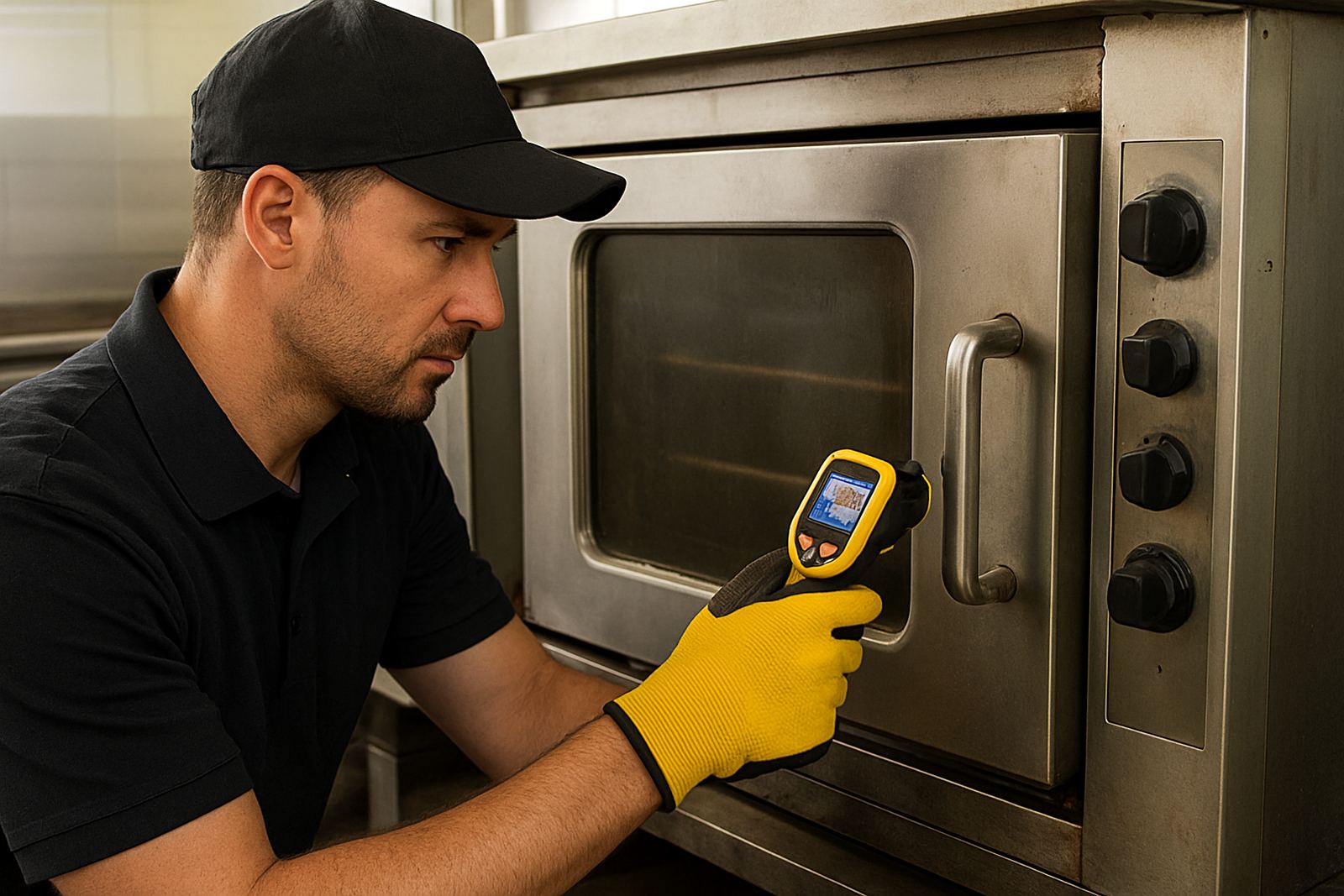
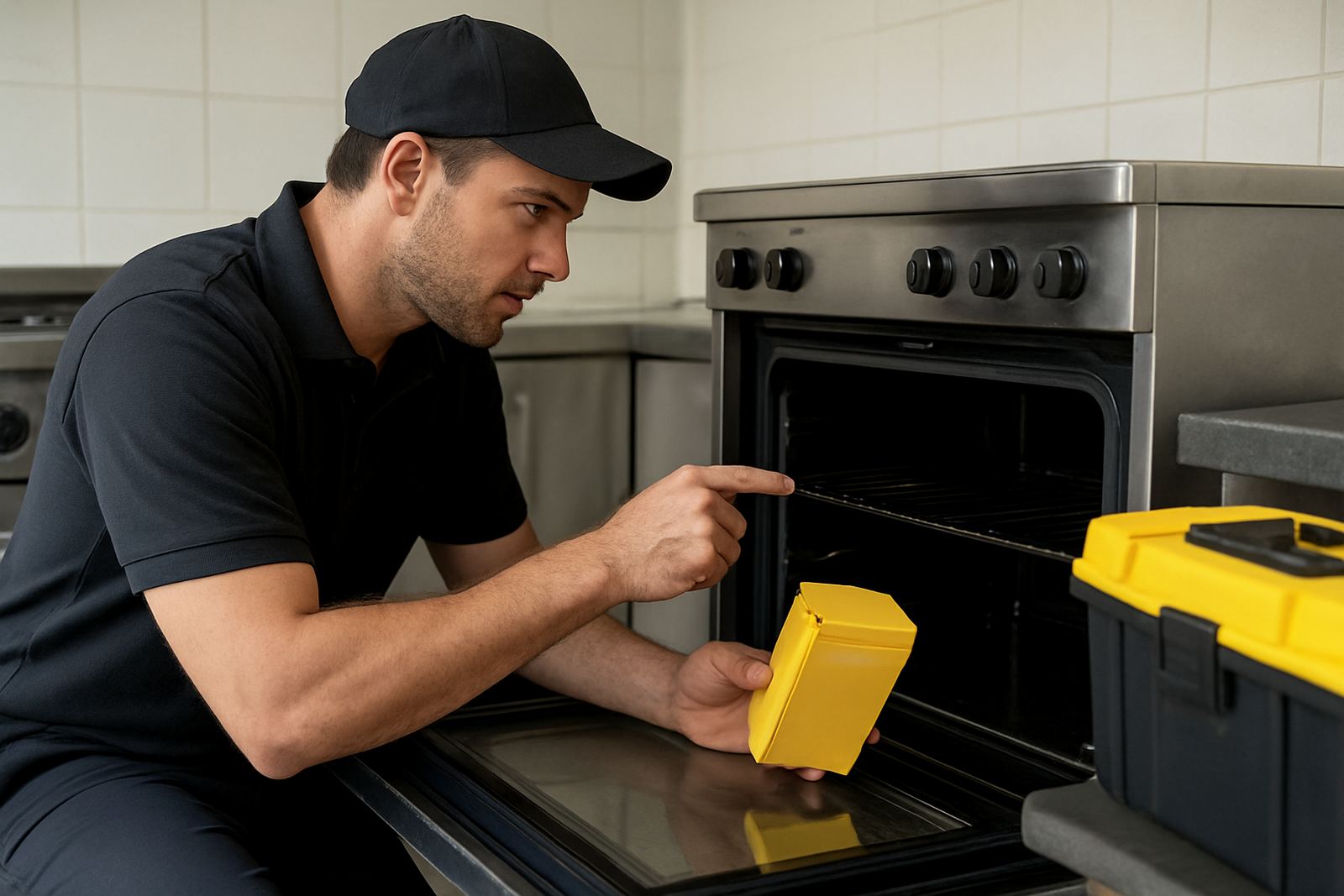
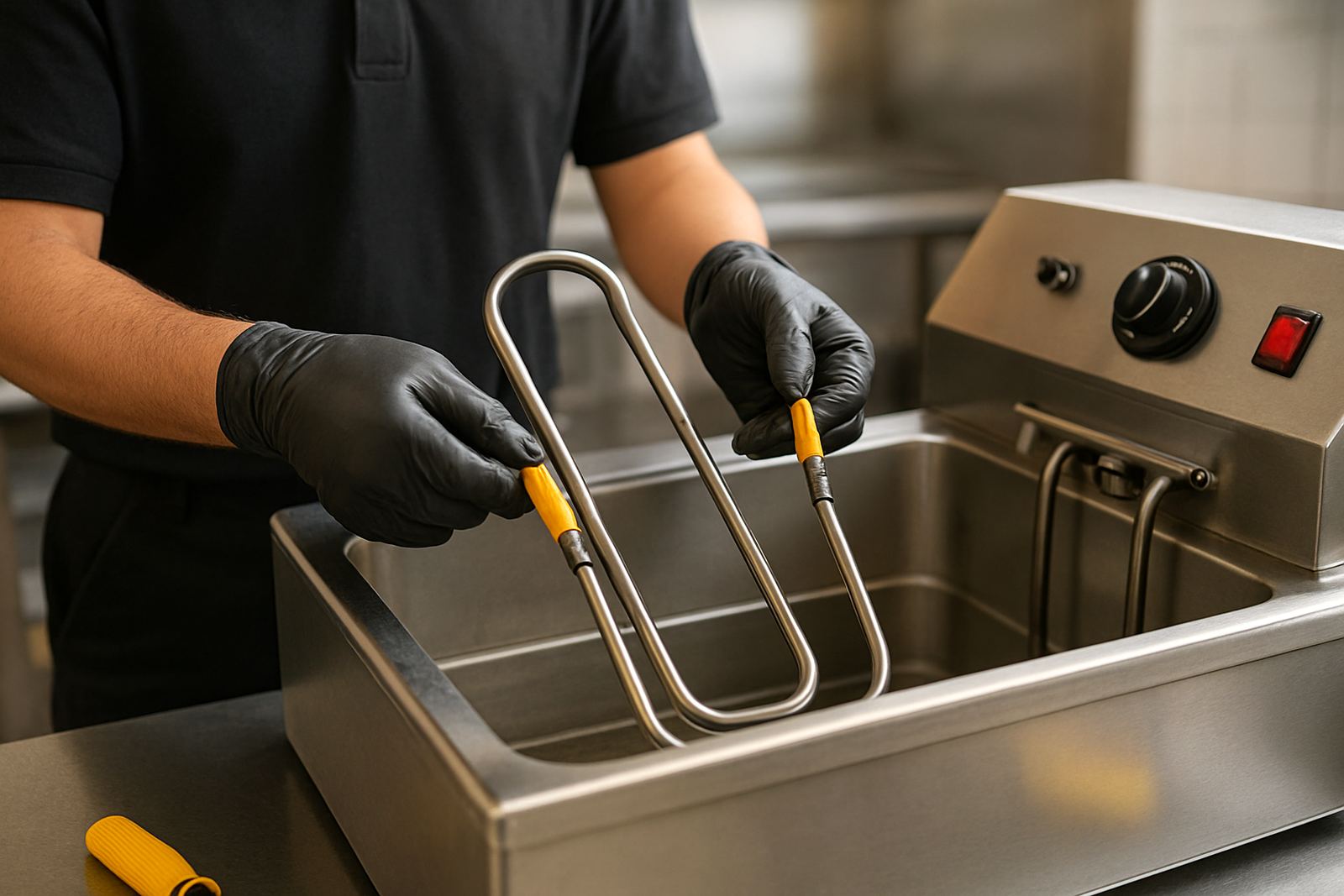
For ovens, we look at cavity clearance and how the element sits behind panels or within the baking chamber. For fryers, we check tank alignment, oil contact points and cable protection. For dishwashers, we pay close attention to water exposure, gasket condition and whether the element is mounted in a way that avoids premature corrosion. Coastal humidity in places like Durban and Gqeberha can shorten part life if the installation is not handled carefully.
Our fitting process from part check to post-fit test
We keep the process practical and clear. First, our team confirms the machine details and matches the replacement element to the model, serial plate data and existing sample if available. If the original part is burned beyond reading, we use measurements, terminal spacing and application details to verify compatibility. This step saves time and helps avoid ordering the wrong element, which can push a repair back by days.
- Send the equipment details, photos or old part information to parts@foodservparts.co.za
- We confirm compatibility and advise on the correct element specification
- Parts are dispatched from Midrand or booked for fitting support
- On site, the unit is isolated, opened and the failed part removed
- The new element is fitted, wired and checked for secure contact
- We carry out a heat test or operational test before handover
If the job reveals related faults, we can advise on thermostats, switches, gaskets or burnt connectors that may need replacement too. That helps avoid a call-back later. We also make a point of checking for signs of water ingress, heat stress or loose earth connections, because those are common causes of repeat failures in busy kitchens.
Turnaround times and urgent call-outs
Turnaround depends on stock, location and access to the appliance. If the element is a common size and the machine details are clear, dispatch from Midrand can often happen quickly, with fitting support arranged around the kitchen schedule. For more unusual parts, we may need a little extra time to confirm measurements or terminal layout before sending the item out. That small delay is better than fitting the wrong part and starting over.
For Gauteng clients, onsite support can often be arranged sooner because the warehouse and dispatch base is in Midrand. For coastal or outlying areas, we focus on getting the correct part out first, then coordinate the fitting with local access and site availability. In many cases, the actual fit only takes a short period, but the prep work and checks matter just as much as the physical installation.
- Common stock item with clear details: same day or next working day dispatch where possible
- Standard onsite fitting: booked around the kitchen operating hours
- Urgent repairs: priority handling when stock and route allow
- Complex or rare models: extra time for compatibility confirmation
We are upfront when a job needs more investigation. That honesty helps chefs, owners and maintenance teams plan around service periods, especially when one failed element can affect a whole breakfast, lunch or dinner run.
Pricing approach for element installation
Pricing depends on the appliance type, the amount of disassembly needed, whether the part is supplied by us, and whether the work is onsite or workshop based. A fryer element with easy access is not the same job as a concealed oven element behind panels or a dishwasher element in a cramped wash bay. We keep the pricing approach clear so you know what you are paying for before the work starts.
Our focus is value through correct fitting and proper testing, not just the cheapest call-out. A low-cost installation that fails a week later costs more in lost trading time, labour and second visits. If additional faults are found, we quote those separately so there are no surprises. Where a kitchen needs more than one part, we can often bundle the work, which helps reduce repeat labour and downtime.
For larger sites, chain kitchens and institutional catering, we can also assist with planned maintenance visits and stock holding based on known wear items. That is useful where a particular oven bank or dishwash area sees heavy daily use and the same element type keeps coming up in service records.
Maintenance intervals and signs it is time to replace
Elements do not all fail at the same age. Some last for years, others wear sooner because of heat cycling, poor ventilation, scale, moisture or incorrect use. In a commercial kitchen, it helps to inspect high-use elements every 6 to 12 months, or sooner if the equipment runs through long service hours. On fryers and dishwashers, the working environment can be harsher because of oil, steam and repeated wash cycles.
Look out for slow heat-up, uneven cooking, visible scorching, tripping breakers, cold spots, unusual smells or a part that looks swollen, pitted or cracked. If the element has been running while a thermostat or switch has been faulty, it may have taken more stress than it should. Catching that early can save the control gear too.
- Inspect high-use ovens and fryers every 6 months
- Check dishwasher elements and seals during routine wash bay servicing
- Replace any element showing burn marks, deformation or corrosion
- Test wiring and terminals whenever the appliance is opened for service
Good installation and regular checks extend part life, but no element lasts forever. A clean fit, correct wiring and sensible maintenance intervals help keep the kitchen running without unnecessary stoppages, even when the service period is full and the power goes off at an awkward time.
Key facts
| Service type | Replacement heating element fitting support |
|---|---|
| Equipment covered | Commercial ovens, fryers and dishwashers |
| Fitment checks | Orientation, wiring, terminal layout, seals and clearances |
| Power specs | Voltage, wattage and phase verification before installation |
| Area covered | National online support from Midrand with onsite options |
| Typical maintenance interval | 6 to 12 months for high-use equipment |