What a gas valve does in daily kitchen use
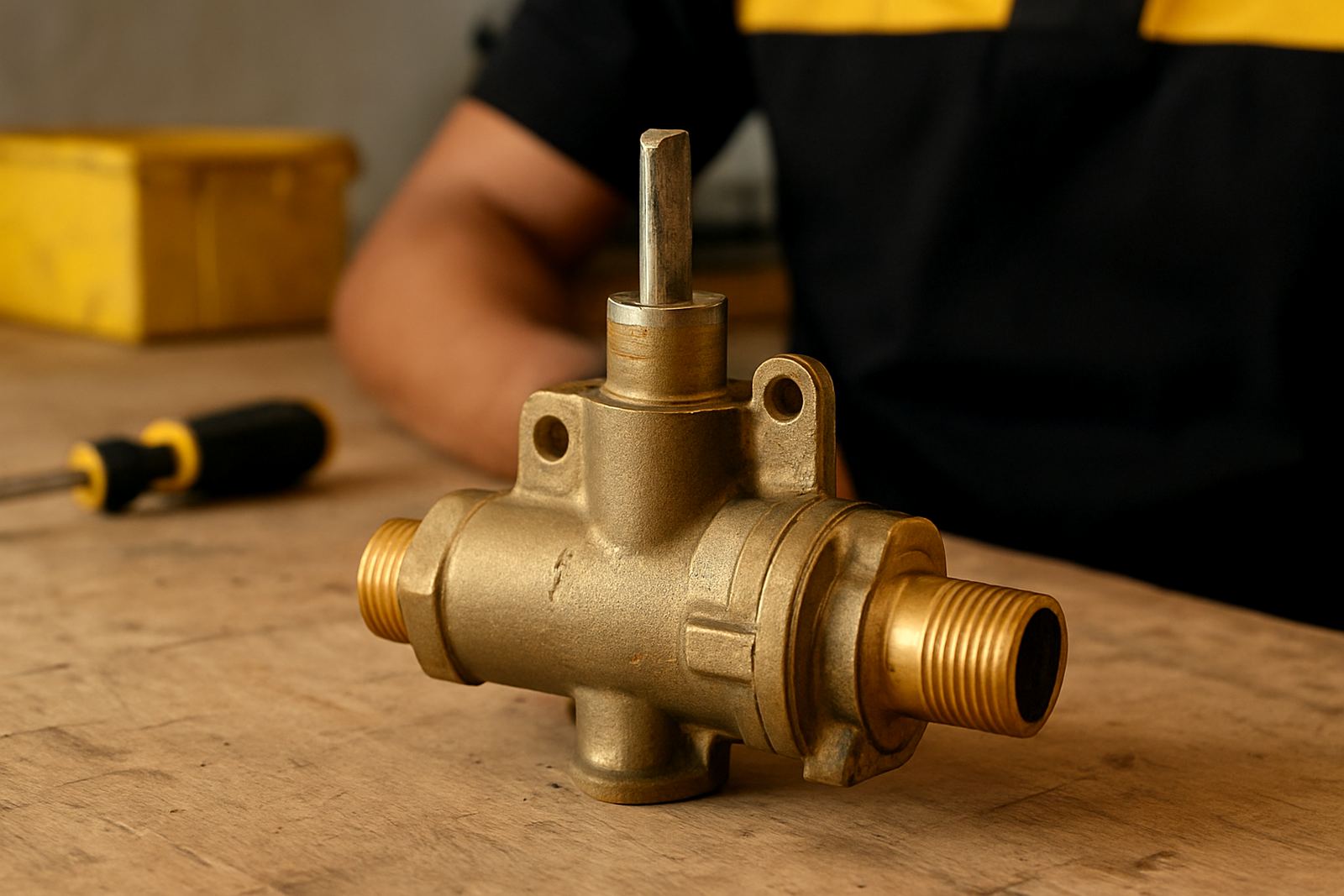
A gas valve is the control point between the supply line and the burner assembly. It opens, closes and meters gas flow so an operator can start a burner, adjust heat and shut the appliance down safely. On some equipment the valve works with a thermostat or pilot system, while on other units it is part of a manual control setup. When it starts to wear you may notice hard ignition, weak flame, flame lift-off or a burner that will not stay lit.
In a busy kitchen the valve gets worked hard. Heat, cleaning chemicals, steam and vibration all take a toll, especially on fryer stations and ovens near grease build-up. In coastal areas like Durban or Cape Town, humidity can also affect moving parts and cause sticking or corrosion if the unit is not serviced on time.
Sizes, connections and control options available
Gas valves are not one-size-fits-all. The right unit depends on the appliance make-up, gas type and the pipework already in place. Common options include different inlet and outlet sizes, threaded or compression connections, and valve bodies made for LPG or natural gas. Some models are designed for manual control, while others work with thermostat sensing and safety shut-off functions.
- Connection sizes commonly used on commercial appliances: 1/2 inch, 3/4 inch and 1 inch
- Gas type match: LPG, natural gas, or conversion-ready units where allowed by the appliance
- Control style: manual, thermostat-linked, pilot assisted, or safety shut-off type
- Temperature and pressure ratings must suit the appliance and local gas setup
- Body materials and seals should cope with heat, cleaning and regular use
If you are ordering for a replacement, it helps to match the old valve body, the thread direction and the mounting position. A small difference in port size or capillary fitting can stop the part from seating correctly, so checking before dispatch saves time.
Where gas valves fit best on kitchen equipment
These valves suit commercial ovens, gas fryers, griddles, boiling tops and related catering equipment where controlled burner flow is needed. They are used in food businesses that run long service hours, from canteens and restaurants to bakeries, takeaways and hotel kitchens. A valve that is sized correctly helps the flame stay even, which gives better temperature control and less gas waste.
They are also useful when an appliance has to recover quickly after load shedding or a gas interruption. Once supply is restored, a sound valve helps the operator restart with confidence instead of fighting a burner that keeps cutting out. In kitchens with municipal inspections or regular compliance checks, a clean, correctly fitted valve also makes routine maintenance easier to document.
- Suitable for high-use kitchens with repeated start-stop cycles
- Works well where burners need fine heat control, not just on or off
- Useful on equipment exposed to steam, oil splatter and cleaning water
- Can be fitted on older units if the interface and pressure rating match
Installation notes and what the appliance needs
Gas valve fitting must be done with care because the gas side of the appliance is safety critical. The unit needs the correct inlet pressure, the right gas type and a sound seal at every connection. Before fitting, isolate the appliance, test for existing leaks and check the burner, thermocouple or ignition system if one is present. If the valve is part of a thermostat circuit, the control probe and capillary should also be inspected for damage.
Power needs are usually limited to what the appliance already uses for ignition, fans or controls, not the valve itself unless it is an electrically actuated type. In those cases you must check the voltage, plug type and terminal layout. Where field conditions are rough, like in back-of-house spaces with water spray or frequent cleaning, cable routing and strain relief matter just as much as the valve body. One loose joint can become a leak, so a proper post-fit test is not optional.
Care, servicing and signs the valve is wearing out
Routine care helps the valve last longer and keeps the appliance working safely. Wipe away grease and dust, avoid flooding the control area with water, and check that surrounding seals and knobs are not cracked. If a valve starts to feel stiff or the flame turns yellow and uneven, the internal parts may be dirty or worn.
- Look for gas smell around the control area after shutdown
- Check for delayed ignition, low flame or flame drop-outs
- Inspect for heat discolouration, rust or seized control movement
- Replace damaged seals, knobs or thermostatic link parts early
- Service burners and injectors at the same time for a proper fix
For kitchens that run daily breakfast and lunch service, a small issue can become a full stoppage by supper. If a valve has already been tampered with, or if the stem leaks when turned, replacement is usually safer than trying to nurse it along.
What to check before you order a replacement valve
To avoid delays, compare the old valve with the replacement carefully. Measure the inlet and outlet sizes, note the gas type, take a clear photo of the body markings and check whether the appliance uses a pilot, thermostat or manual control. It also helps to know the appliance model, serial number and the exact position of the part on the unit.
Send through the appliance details if you are not sure. Our team can help with part identification, compatibility checks and fitting advice from Midrand to Johannesburg, Pretoria, Durban, Cape Town and Bloemfontein. If the old valve failed after another part went faulty, we can also check whether the burner, thermostat, switch or gasket needs attention at the same time so you do not replace one item and miss the cause.
Key facts
| Product type | Commercial gas control valve |
|---|---|
| Appliance use | Ovens, fryers, boiling tops and similar equipment |
| Gas types | LPG and natural gas, subject to correct match |
| Common sizes | 1/2 inch, 3/4 inch and 1 inch connections |
| Control styles | Manual, thermostat-linked, pilot assisted, safety shut-off |
| Dispatch | Nationwide from Midrand depot |