What these hoses and fittings do in a kitchen line
Hoses and fittings link equipment to the services it needs, whether that is gas to a fryer, water to a dishwasher, or a drain run out of a wash area. In a busy kitchen these parts carry heat, vibration and constant movement, so the correct size and material matter just as much as the machine itself. A good connection stops leaks, keeps pressure where it should be and helps you avoid downtime during service.
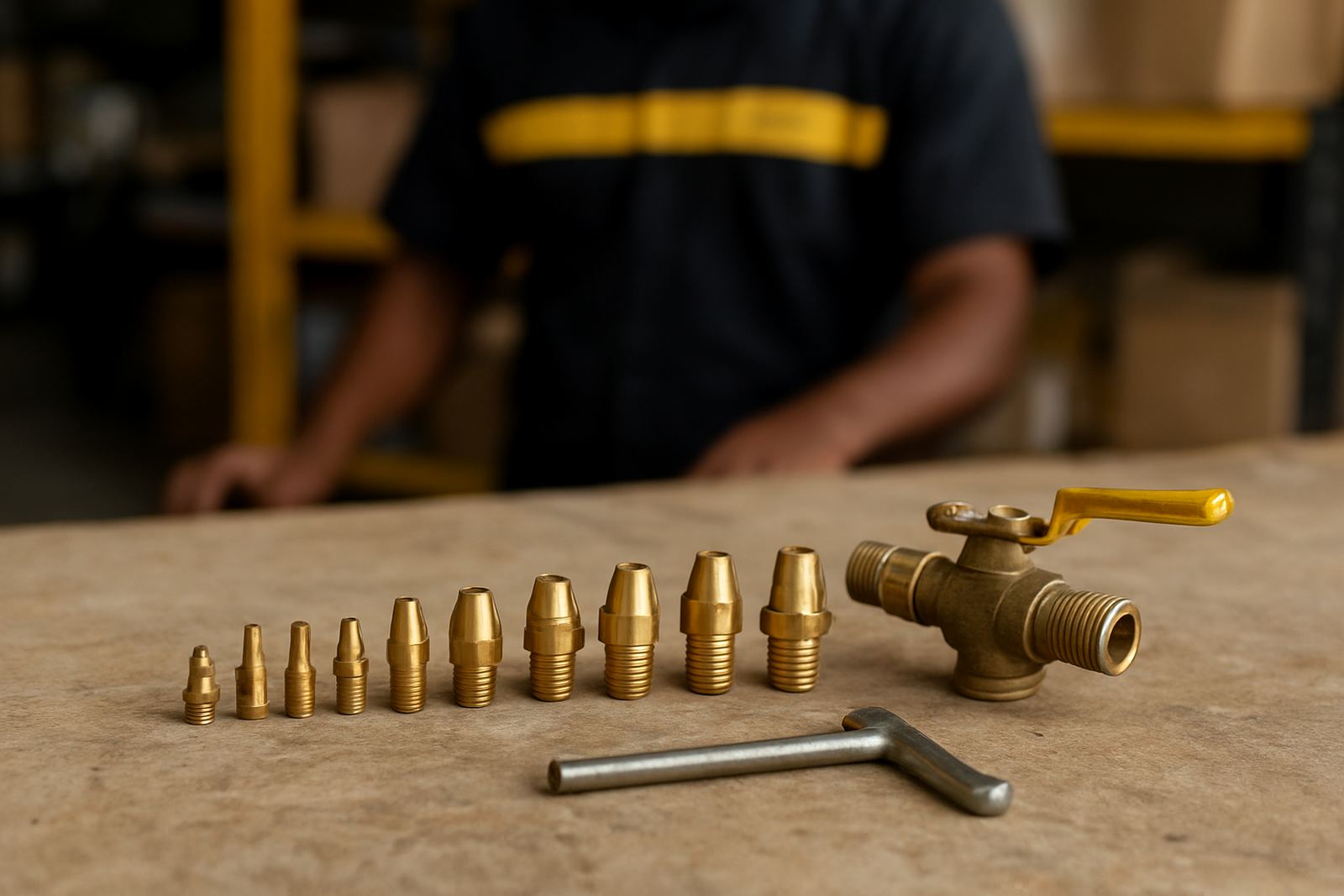
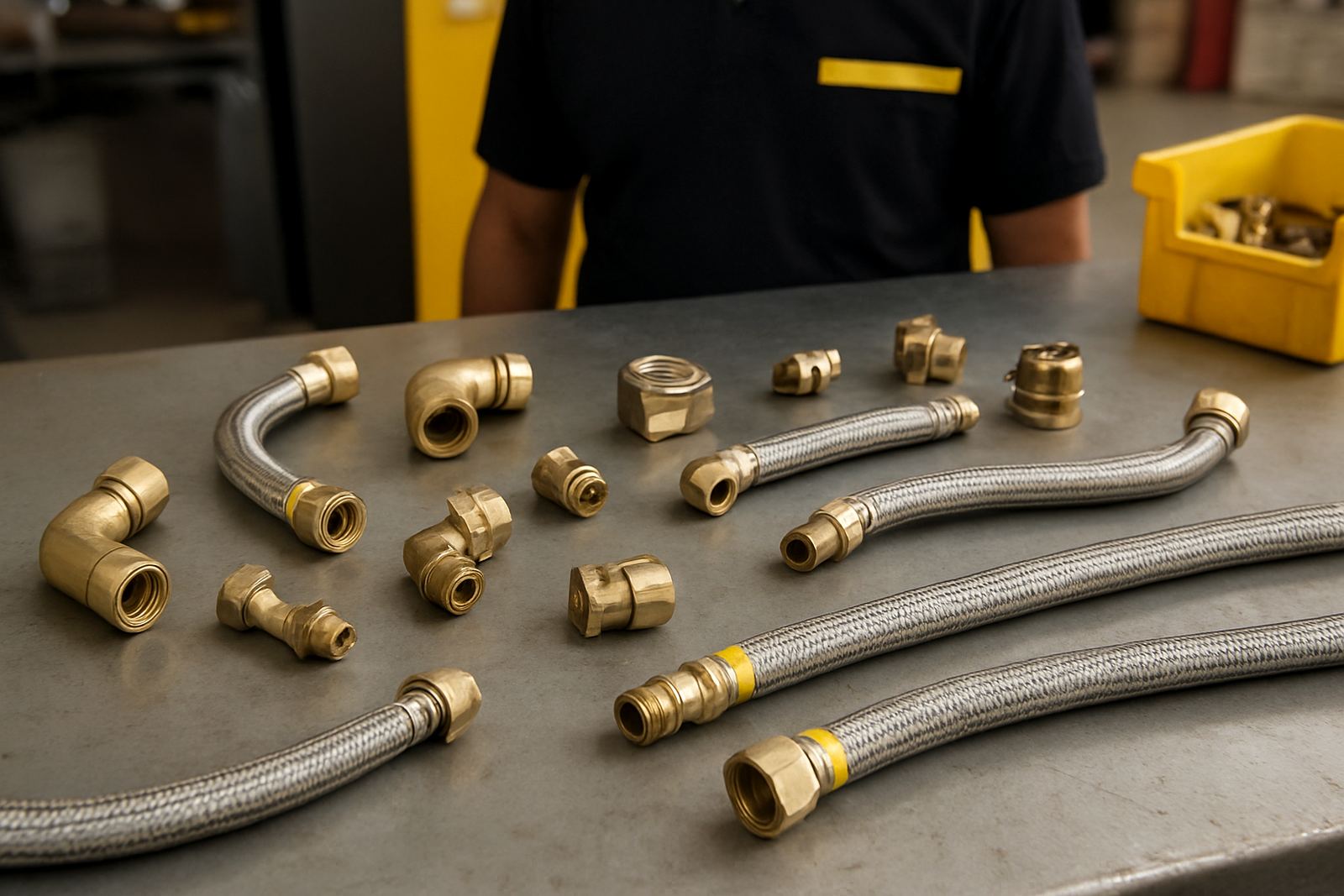
We supply flexible hoses, compression fittings, couplers, elbows, tees, reducers and connectors for commercial use. Some are used on fixed installations, others on equipment that gets moved for cleaning or servicing. In coastal towns like Durban or Cape Town, corrosion resistance becomes important, while inland sites often focus more on heat, hose flex and the right thread match. If a line is incorrectly sized, the fitting will not seat properly and you can end up with a slow leak or a joint that loosens under vibration.
Sizes, thread types and material options to order by
Hoses and fittings come in a wide range of sizes, and the right choice depends on the appliance connection points already in place. Common bore sizes include 8 mm, 10 mm, 12 mm and 15 mm for smaller utility runs, with larger options used on some drain and water lines. Threads can be straight or tapered, and many jobs require male to female adapters, compression olives, or hose tails with clamps. If you are matching an existing installation, check the old part before ordering because 3/4 inch and 1/2 inch parts are easy to confuse when the site is under pressure.
Material choice is just as important. For gas work, use hose and fittings rated for the application and the correct temperature range. For water and wash lines, brass, stainless steel and reinforced flexible hose are common choices. Drain connections often need a slightly more forgiving fit, especially where the appliance sits on uneven flooring or the waste outlet is low to the ground.
- Flexible hose lengths commonly supplied in 500 mm, 800 mm, 1 000 mm and 1 500 mm
- Compression fittings for neat, serviceable joints on water and utility lines
- Hose tails, unions, elbows and tees for rerouting and joining pipework
- Reducers and adapters to match mixed thread sizes on older equipment
Where these parts suit best in commercial equipment
These parts suit a wide range of kitchen equipment where liquid or gas must move safely from the supply point to the appliance. Ovens often need gas hose runs or water feed lines for steam functions. Fryers may need gas connectors and service unions. Dishwashers use inlet hoses, drain hoses and compression fittings for wash and rinse circuits. They also suit bain maries, hot cupboards, ice machines and certain prep units with plumbed services.
We see the most demand from restaurants, schools, hotels, takeaways and canteens where the kit runs every day and is cleaned often. In places with hard water, fittings can build up scale around the joints, and that makes maintenance harder than it should be. If a kitchen has frequent power cuts or generator changeovers, flexible connections need enough movement to cope with repositioning and service access without kinking.
- Gas supply lines to ovens, fryers and griddles
- Water inlet runs for dishwashers and steam assisted equipment
- Drain outlets where a flexible section helps with floor levels
- Service connections on equipment that must be pulled out for cleaning
Installation details and supply requirements to plan for
Installation should be handled by someone who understands the appliance and the line type. Gas connections must be tested for leaks after fitting, and water lines should be checked for pressure, flow and proper seating at every joint. If the appliance uses a clamp and hose tail, the clamp must sit square and be tightened evenly. If it uses a compression fitting, the olive and nut must match the pipe size exactly. A part that is slightly off size may seem to fit, but once the machine heats up or vibrates it can start giving trouble.
For gas appliances, make sure the hose is rated for the expected working conditions and kept clear of hot surfaces, sharp edges and moving doors. For water and drain lines, make sure the hose does not sag or trap waste. In kitchens where equipment gets shifted for cleaning, leave enough slack so the line does not strain at the connection point, but not so much that it gets caught behind the unit. Local bylaws and insurance rules may also require certain gas and drain installations to be signed off after work is done.
These parts do not need electrical power themselves, but the appliance they serve often does. If the equipment is part of a wash or heating line, isolate the power and, where relevant, the gas supply before work starts. That simple step avoids accidental starts and protects the fitter.
Care, inspection and when to replace a hose or fitting
A hose or fitting should be inspected regularly, especially in a kitchen that runs long hours. Look for cracking, hardening, rust, loose collars, worn threads and any sign of moisture or gas smell around the joint. On drain lines, slow leaks often show up as dark staining or a damp floor around the appliance base. The most common mistake is waiting until a failure is obvious. By then there may already be water damage or a shut-down during service.
Replace a hose if it has split, gone stiff, swollen or has deep scuff marks from rubbing against a cabinet edge. Replace fittings if the threads are stripped, if the compression nut no longer tightens cleanly, or if corrosion has started to bite into the body. In humid coastal sites, salt in the air can shorten the life of exposed parts, so a regular visual check is worth the time. A quick service once a month can prevent a much bigger repair later.
- Check hose bends for flattening or kinks
- Inspect clamps and nuts after any move or deep clean
- Look for white scale, rust or pitting on metal fittings
- Confirm the connection has not worked loose under vibration
What to check before you order replacement parts
Before ordering, measure the old hose length from end to end and note the fitting type at each side. Check whether the connection is male or female, straight or angled, and whether the thread is metric, BSP or another pattern already in place. For compression parts, measure the outside diameter of the pipe, not just the hole it fits into. For hose tails, check the internal hose size and the clamp style needed.
It also helps to note the appliance make, model, serial number and what the line is used for, especially if the part sits on gas equipment. If the old fitting has a part number, send it through with a photo taken close up and one from a little further back so we can see the full routing. That saves time and reduces the chance of a wrong order. If you are not sure, our team can help identify the part and confirm compatibility before dispatch.
For kitchens in Johannesburg, Pretoria, Durban, Cape Town and beyond, getting the right hose or fitting first time saves callouts and keeps the equipment in service. If the installation has already failed, we can help you match the replacement and get it moving again without fuss.
Key facts
| Product type | Flexible hoses, compression fittings and connectors |
|---|---|
| Common sizes | 8 mm, 10 mm, 12 mm, 15 mm, plus selected larger options |
| Length options | 500 mm, 800 mm, 1 000 mm, 1 500 mm and other common runs |
| Typical use | Gas, water inlet and drain line connections |
| Material options | Brass, stainless steel and reinforced flexible hose |
| Dispatch | National online supply from Midrand |