What burner jets do in a commercial gas appliance
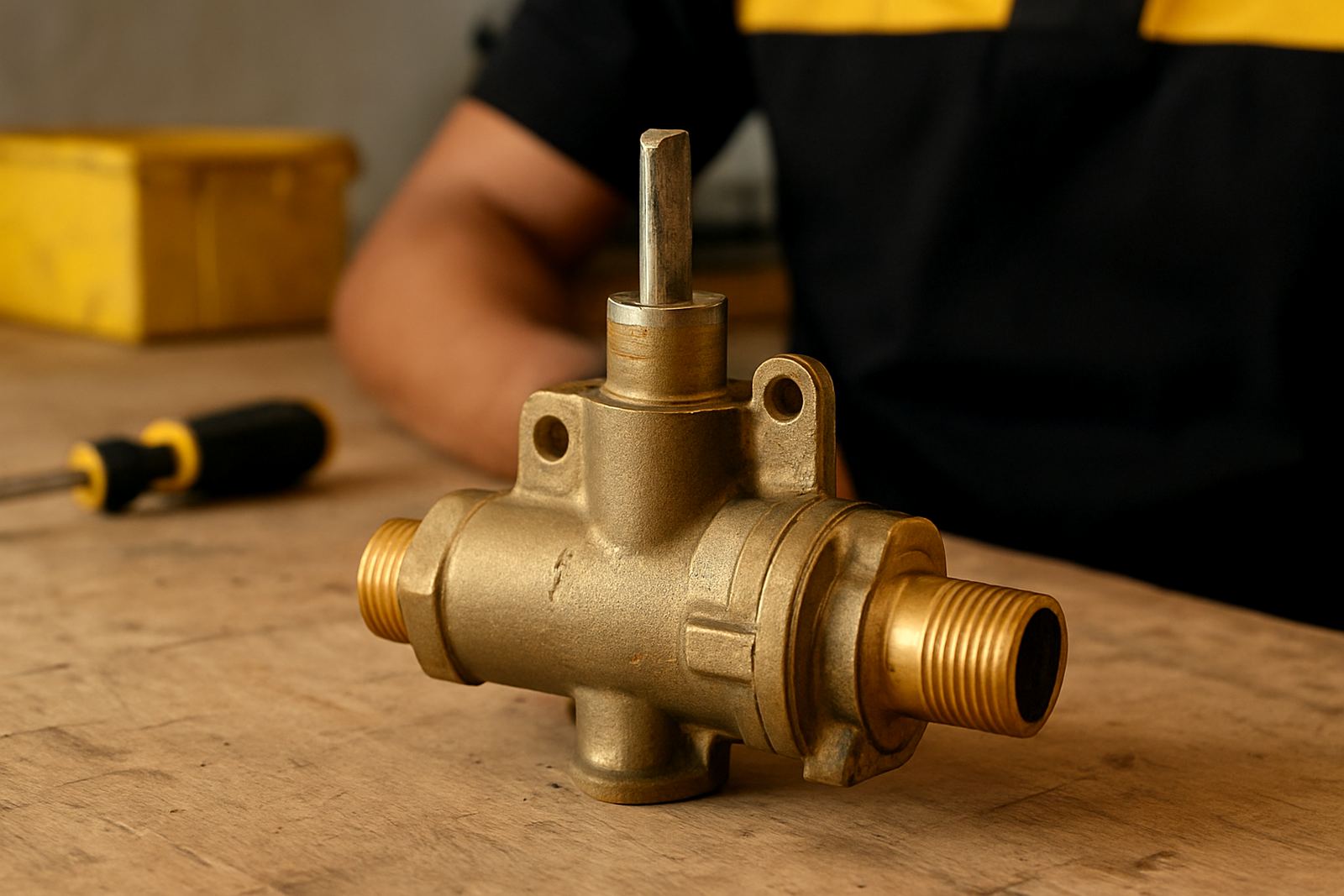
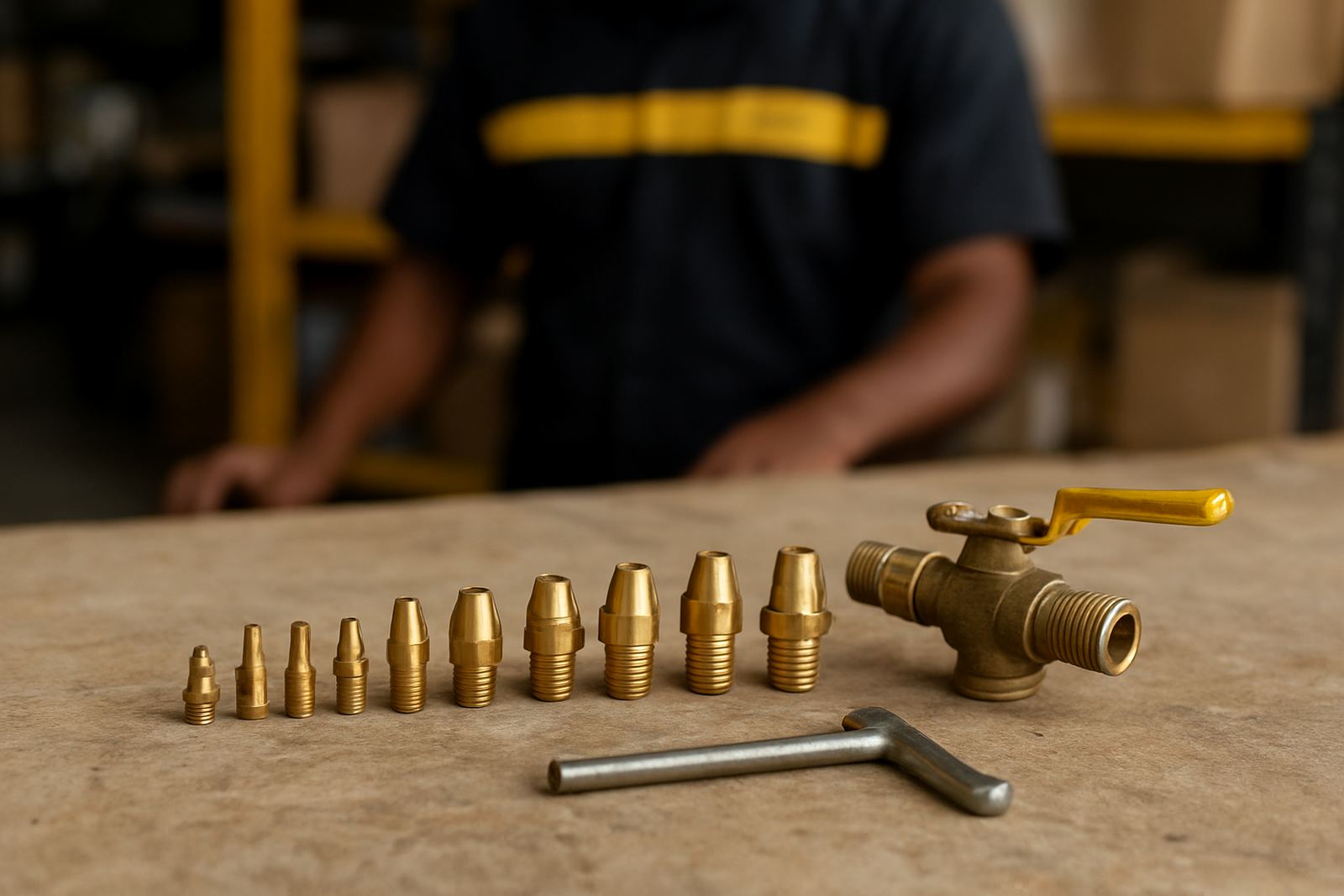
A burner jet, sometimes called an injector, is the small brass fitting that meters gas into the burner. It may be a small part, but it has a direct effect on flame shape, heat output and fuel use. If the jet is worn, blocked or the wrong size for the appliance, you can get lazy yellow flames, uneven heating, soot marks, or a burner that struggles to stay lit.
Commercial kitchens in Gauteng, coastal towns and inland areas all deal with different conditions. Midrand kitchens often run long service hours and need quick replacement parts. In Durban, moisture and salty air can speed up corrosion on older fittings. Wherever the kitchen is, the jet has to match the gas type, burner design and pressure setting exactly.
Sizes, thread types and gas settings to match
Burner jets are not one size fits all. They are selected by orifice size, thread type and the appliance model they are meant for. A jet for LPG will usually differ from one used on natural gas, even if the burner looks the same. Some units use very small orifice sizes, while larger range and griddle burners need a bigger gas feed to keep the flame steady.
- Orifice size for correct gas flow
- Thread type and pitch for proper seating
- Gas type: LPG or natural gas
- Appliance type: oven, range, griddle or fryer
- Burner position: main, pilot or auxiliary
When replacing a jet, dont guess by eye alone. Two parts can look nearly the same yet perform very differently under load. A kitchen that bakes, grills and simmers all day needs the right burner performance, not just a part that screws in.
Where these jets are commonly used
We supply burner jets for a wide range of commercial cooking equipment. They suit ovens that need steady heat for baking and roasting, ranges that are switched from high flame to low flame many times a day, and griddles that must spread heat evenly across the plate. In takeaway shops, hotel kitchens and school canteens, a misfiring jet can slow service very quickly.
They are also used in appliances that sit under heavy daily use, especially where staff clean down the kitchen at night and relight in the morning. If a burner is lifting, popping or making a weak flame, the jet may be the issue, but you should also check the burner head, air mix and gas supply before fitting a new one.
- Gas ovens and oven burners
- Open burners on ranges and stove tops
- Griddles and chargrill burners
- Some fryer and hot cabinet burner systems
- Replacement jets for service and repair work
Installation, gas pressure and safe commissioning
Jet fitting should be done by a competent technician who can isolate the gas supply, remove the old jet without damaging the body and confirm the new part is seated properly. On some appliances, the jet sits deep in the burner assembly, so care is needed to avoid cross threading. A loose jet can cause leaking gas and unstable flame behaviour.
After installation, the appliance must be checked for gas pressure, flame colour and ignition response. If the gas pressure is too high or too low, even the correct jet will not perform as it should. In many kitchens load-shedding pushes operators onto gas more often, so a burner that starts reliably and holds a clean flame matters even more.
If the unit runs on bottled LPG, make sure the regulator and hose are in good condition too. If it is on natural gas, confirm the supply pressure with the correct test equipment before signing off the job.
Care, cleaning and signs that the jet needs attention
Jets usually fail slowly rather than all at once. A burner may take longer to light, flame may pull to one side, or food may start cooking unevenly. Dirt, grease and tiny carbon deposits can reduce flow through the jet. In kitchens near the coast, humidity can also affect fittings and make service parts harder to remove later.
Regular cleaning around the burner area helps, but the jet opening itself should not be poked out with wire or drilled bigger. That can change the gas rate and cause an unsafe flame pattern. If a jet is blocked repeatedly, there may be debris in the line, a regulator issue, or a burner that is not drawing air correctly.
- Weak flame or delayed ignition
- Flame lifting off the burner
- Yellow tipping or soot on pans
- Uneven heat across the cooking surface
- Burner going out when set low
What to check before ordering the correct burner jet
Before you order, take note of the appliance make, model, serial number and whether the unit is set up for LPG or natural gas. If possible, remove the old jet and read the stamping on the head. That small number usually tells you the orifice size, and it helps avoid delays in getting the right part first time.
It also helps to compare the old jet with the burner body and thread depth. Some parts have a fine thread, others a coarser one, and a jet that is almost right can still leave the burner unsafe to use. If you are fitting across branches in Johannesburg, Pretoria or Durban, it is worth keeping one spare per common appliance type, because waiting for the wrong part wastes service time.
For shops and kitchens that rely on fast turnarounds, our team can assist with part identification and compatibility checks before dispatch from Midrand. If the appliance is part of a larger repair, we can also support burner fitting, thermostat work and post-fit testing so the unit is ready for service again.
Key facts
| Product type | Gas burner jet / injector |
|---|---|
| Use | Controls gas flow to oven, range and griddle burners |
| Gas compatibility | LPG and natural gas options |
| Typical materials | Brass and similar heat-resistant alloys |
| Common sizes | Small, medium and large orifice ratings by appliance spec |
| Dispatch | National delivery from Midrand |