What a pump motor does in a commercial wash cycle
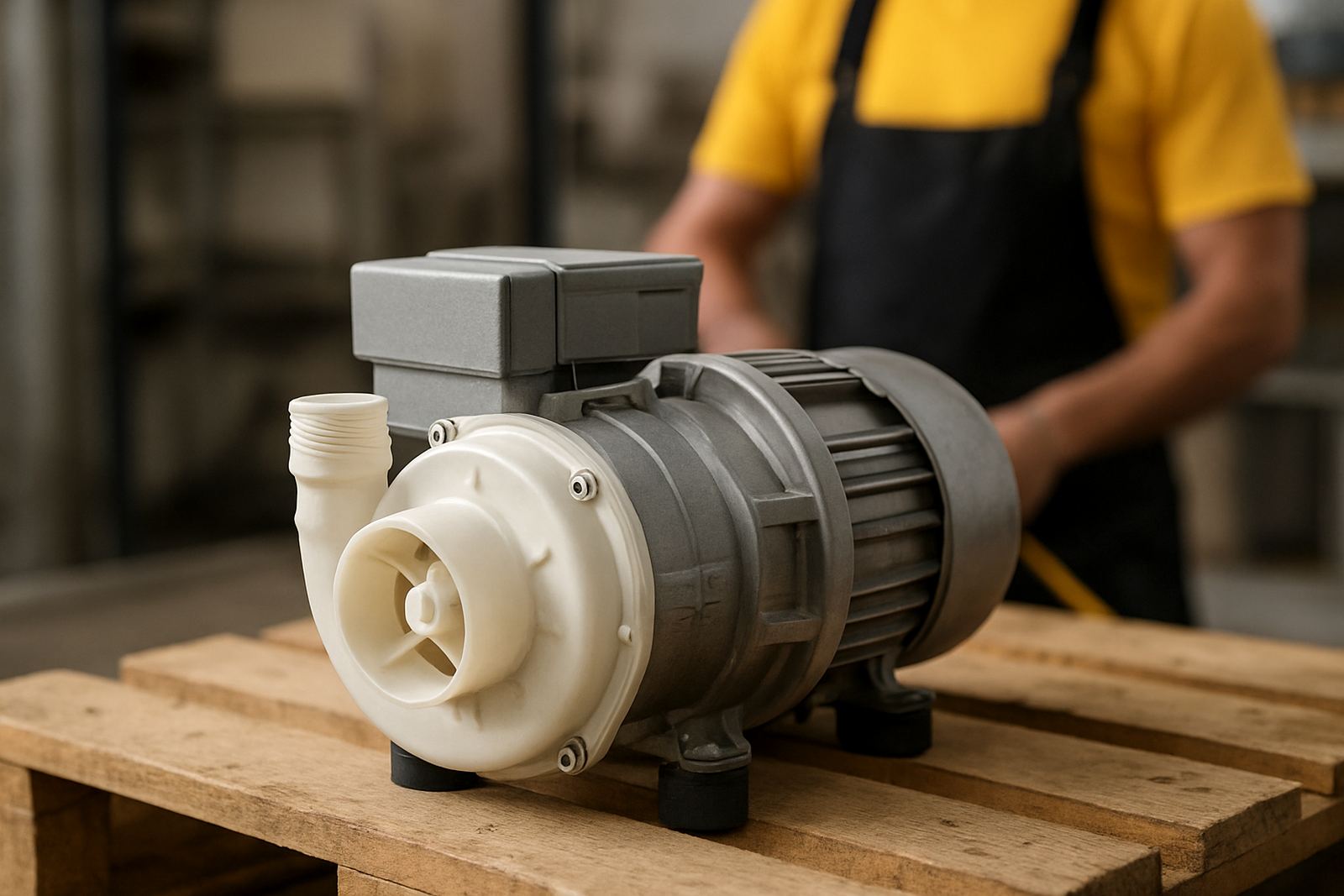
A pump motor is the electric drive unit that turns the impeller or pump head in a dishwashing system. In a wash pump it pushes water through spray arms for cleaning, while in a rinse or booster system it helps maintain the pressure needed for a hot final rinse. If the motor weakens, you may see poor spray action, slow fill and drain recovery, or dishes coming out with food film and streaks.
These motors are used on undercounter machines, hood type washers, glasswashers, pot washers and some compact conveyor units. They are also found on booster heaters that support rinse temperature and pressure. In busy kitchens from Midrand to Durban, a tired motor can stop a service run quickly, especially where the machine is working through load-shedding recovery and higher inlet temperatures.
Sizes and options that suit different machines
Pump motors are not one-size-fits-all. The right unit depends on the machine make, tank size, pump head pattern and electrical rating. Common options include single-phase motors for smaller dishwashers, three-phase motors for heavier duty units, and models with different shaft lengths, mounting feet or flange patterns. Some are direct drive, while others sit on a separate pump assembly.
- Voltage options commonly include 220V to 240V single-phase and 380V to 400V three-phase
- Power ratings often range from about 0.25 kW up to 1.5 kW for wash duties
- Frequency is usually 50 Hz for South African installations
- Motor frames and shafts vary, so physical measurements matter
- Ingress protection and insulation class should suit a hot, wet kitchen environment
Coastal kitchens in places like Durban or Cape Town should pay attention to moisture exposure and corrosion resistance. If the machine sits near salt air or a steam-heavy pot wash area, the wrong motor can seize or fail early.
Where pump motors are commonly used
These motors suit commercial dishwashing equipment in restaurants, hotels, schools, contract caterers, hospitals and industrial canteens. They are also used in booster rinse systems where a stable flow helps the machine maintain final rinse quality. In larger operations, the pump motor must keep up with back-to-back cycles, dirty water and frequent start-stop use.
If a site has a borehole feed, pressure fluctuation or municipal supply interruptions, the motor and pump assembly may be under extra strain. In some kitchens, scale from hard water builds up on internal parts and makes the motor work harder. That is why the full system, not only the motor, should be checked when failure starts. A weak capacitor, worn seal or blocked filter can mimic motor trouble, so diagnosis matters before ordering.
- Undercounter and glasswash machines
- Hood type and pass-through dishwashers
- Pot wash and pre-rinse systems
- Booster rinse and hot water support systems
- Compact conveyor wash sections
Installation, wiring and site checks before fitting
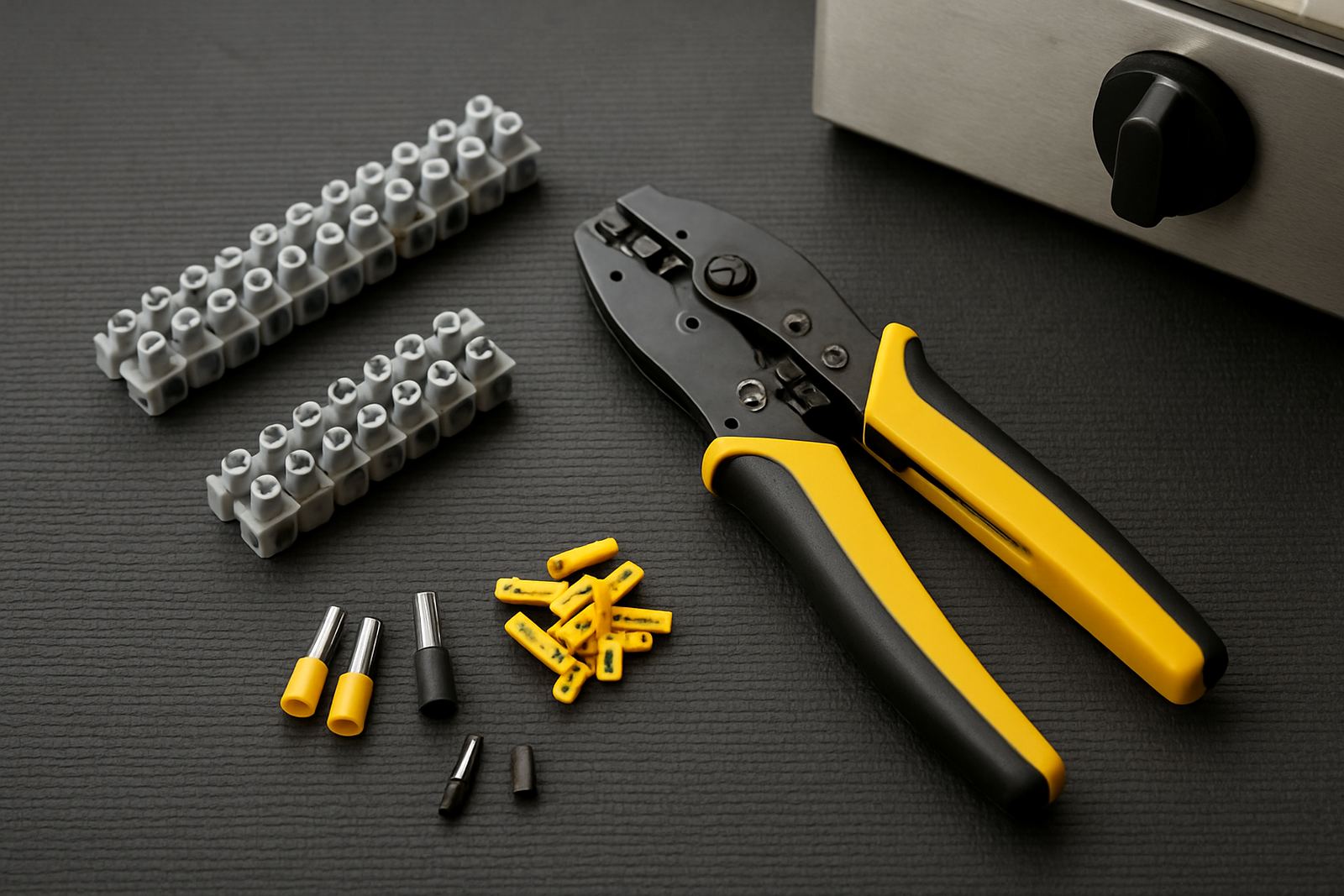
Before fitting a new pump motor, confirm the electrical supply, rotation direction and mounting position. A motor with the correct power but wrong shaft or rotation can damage the pump head straight away. Check the machine isolator, plug, breaker size and earth connection. For three-phase units, phase rotation must be verified, otherwise the pump may run backwards and push very little water.
Fitment should also include checking the pump seal, impeller, bearings, hose clamps and tank filter. If the machine has been running with a blocked strainer or low water level, the old motor may have overheated because the pump was starved. In that case, replace the worn parts together or you may see the same fault again within weeks. Keep wiring neat, dry and clear of steam lines, and make sure the motor is not sitting where rinse water can drip directly onto the terminal box.
Care, servicing and signs that the motor is wearing out
Regular care helps a pump motor last longer. Clean the tank filter daily, remove food waste, and check for limescale around the pump body and heater area. In hard-water regions, descaling at set intervals reduces drag on the system. A motor that runs hot, buzzes on start-up or trips the breaker is telling you something is wrong. Do not keep resetting the machine and hoping it will clear itself, because that often leads to a burnt winding or seized bearing.
Watch for these signs:
- Slow wash spray or weak rinse pressure
- Humming with no proper start
- Burning smell or hot motor casing
- Breaker trips after a few cycles
- Water leaks around the seal or pump joint
If the kitchen is under heavy load and the motor is cycling often, book a check before service is affected. A small part change is cheaper than a full shutdown during lunch or dinner rush.
What to check when ordering a replacement
Ordering the right pump motor starts with the machine details. Please check the make, model and serial number on the data plate, then compare the old motor dimensions with the replacement. If the plate is missing, send clear photos of the front, rear, shaft and mounting points. Our Midrand team can help identify the part and confirm compatibility before dispatch.
Key details to confirm include voltage, phase, frequency, power rating, shaft size, mounting style and connector type. Also check whether you need only the motor or the full pump assembly with seal and impeller. Some parts are interchangeable, but not all, and a close match is not always good enough. If the machine has been altered over time, or a technician fitted a substitute before, the safest route is to compare physical measurements and wiring together. That saves time and avoids a second callout.
- Machine make and model
- Voltage and phase
- Motor power in kW or HP
- Shaft diameter and length
- Mounting feet, flange or bracket style
- Whether the issue is wash, rinse or booster related
Midrand dispatch and support for commercial kitchens
FoodServ Parts Store supplies pump motors nationwide from our Midrand base, with coverage into Johannesburg, Pretoria, Durban, Cape Town and Bloemfontein. We work with kitchens that need part identification, compatibility checks, fitting support and post-fit testing. If the motor is being replaced on site, our team can talk through the part selection so the correct unit leaves the depot the first time.
Commercial dishwashing equipment cannot wait long when the lunch tray stack is building up. That is why clear identification and fast dispatch matter. Whether you are replacing a failed wash motor, a rinse booster motor or a similar drive unit, we help keep the machine operating safely and within spec. For enquiries, contact parts@foodservparts.co.za and include photos, measurements and the machine plate if you have it.
Key facts
| Product type | Commercial dishwasher pump motor |
|---|---|
| Common use | Wash circulation, rinse assist and booster systems |
| Supply | 220V to 240V single-phase or 380V to 400V three-phase |
| Frequency | 50 Hz |
| Typical power range | 0.25 kW to 1.5 kW, depending on machine |
| Fitment notes | Check shaft, mounting, rotation and seal compatibility before ordering |