What a fryer safety cut-out is really doing
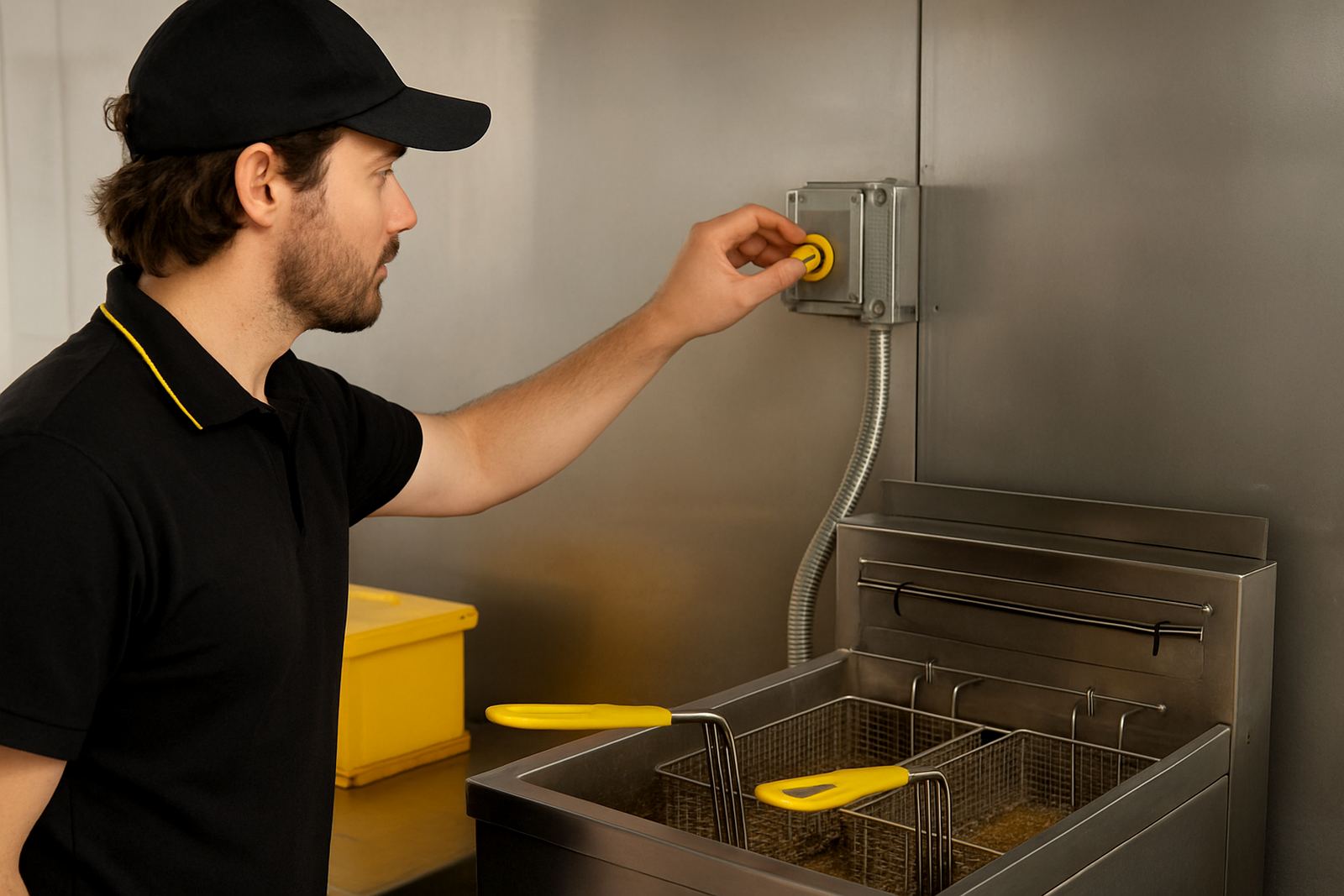
Most commercial fryers have a safety cut-out or high-limit device to stop the oil from getting dangerously hot. It is there to protect the element, the tank and the kitchen staff. When it trips often, the fryer is usually telling you that heat is building up in the wrong place, or that the control system is not reading temperature correctly.
In Midrand and across Gauteng we see this after power dips, heavy use during lunch rushes and oil changes that are put off for too long. A safety cut is not the fault itself, it is the last line of protection. If it keeps happening, look deeper than the reset button.
The faults that most often cause repeated trips
Several issues can push a fryer into cut-out mode. Some are electrical, some are mechanical, and some come down to simple wear from daily use. A weak element may heat unevenly, while a faulty thermostat can let the oil climb beyond the set point before it reacts. Loose terminals can create heat at the connection point, which then confuses the control circuit.
- Element scaling or burn spots that cause hot patches
- Thermostat drift that reads lower than the actual oil temperature
- High-limit switch fatigue after repeated tripping
- Loose wiring or damaged terminals at the control box
- Blocked oil flow around the tank or thermostat probe
If the fryer trips soon after a reset, stop cycling it over and over. That habit usually turns a small fault into a costly repair.
Oil condition matters more than many kitchens admit
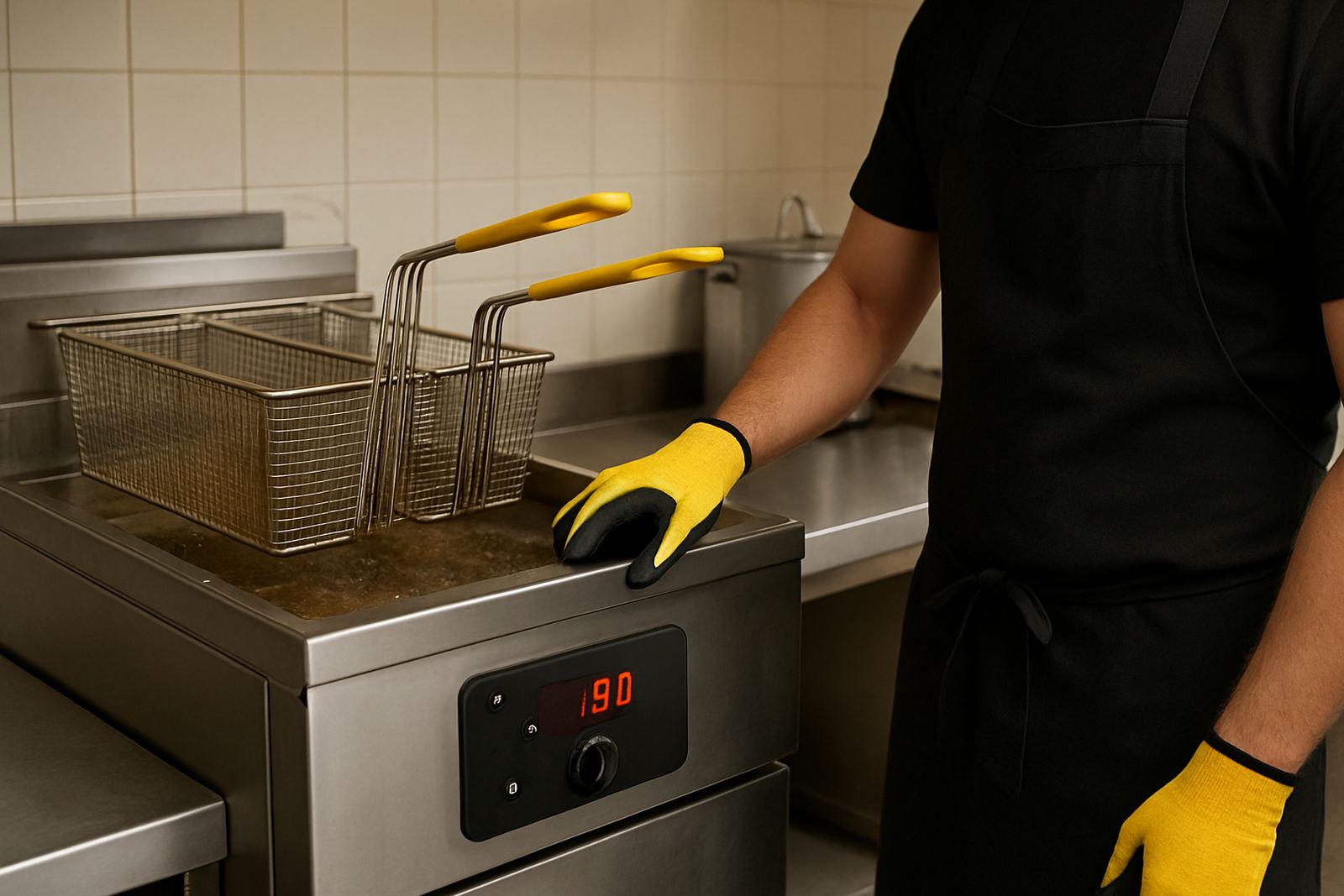
Old oil can do more than affect taste. Thick, dark oil insulates the heating zone and makes the element work harder. That extra strain can send the temperature up in bursts instead of a steady climb. In busy takeaways, this is common when chips, crumbed chicken and battered products are cooked in the same vat without proper filtering.
Coastal kitchens in Durban also have to watch humidity and salt air around connections and controls. Moisture and grease together can affect switches, probes and safety devices. If the fryer is tripping after a humid spell or after the unit was washed down too heavily, the control side may need inspection as well.
- Filter oil regularly, not just when the colour looks poor
- Remove crumbs and sediment from the tank base
- Check that the oil level stays within the marked range
- Do not mix fresh oil with heavily degraded oil and expect stable heating
Simple checks before you call for parts support
There are a few practical checks that can be done without opening up the wrong parts of the fryer. First confirm whether the reset is tripping immediately or only after the oil has been heating for a while. That detail helps separate a wiring fault from a temperature control issue. Next, compare the fryer’s behaviour with the other kitchen equipment on the same line, because low supply voltage can affect heating performance.
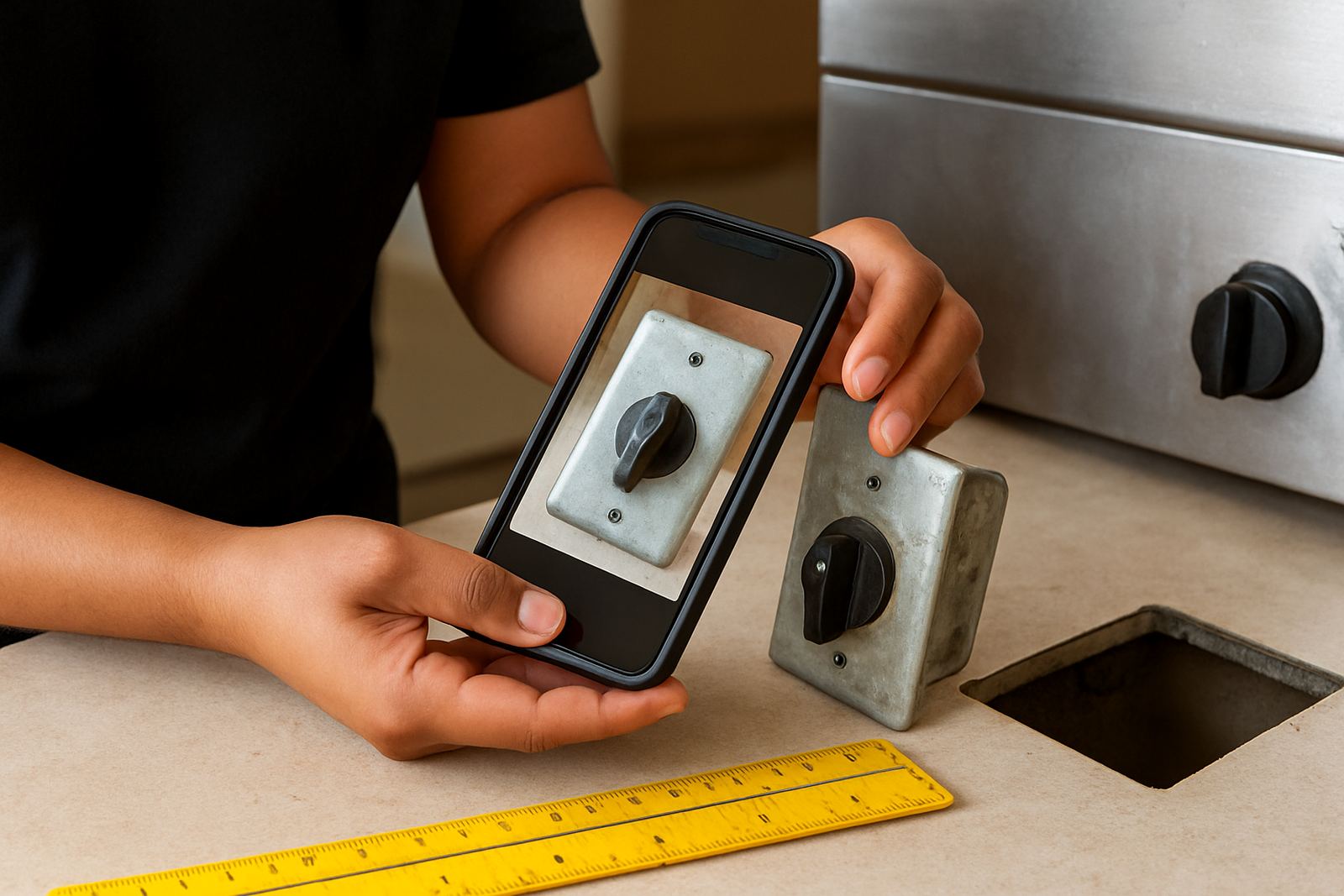
Also check for physical signs around the control box, such as heat marks, melted insulation or a switch that feels loose. If the fryer has had a recent clean, make sure no cleaner or water has entered the probe area. One teaspoon of trapped moisture can cause strange readings, and yes it happens more than people think.
When the safety cut points to a deeper heating issue
Some faults are not solved by replacing only the cut-out. If the element is drawing unevenly, the thermostat may be reacting to false hot spots. If the probe is out of position, bent or caked in oil residue, the fryer can overheat before the control sees the real temperature. On older units, the whole set of heat controls may be tired at the same time, especially where the fryer has been in daily service for years.
In Pretoria, we recently saw a fryer that tripped every second afternoon in a school kitchen. The staff had already reset it several times and changed oil, but the actual issue was a failing element and a thermostat that had drifted. Once both were checked and the fittings were tested under load, the trips stopped.
- Persistent tripping after a reset usually means a real heating fault
- Replacing only one part may mask the issue for a short time
- Post-fit testing is important before the fryer goes back into service
How to keep fryer downtime low in a working kitchen
The best way to avoid surprise shutdowns is to treat fryer maintenance as part of the shift routine. A quick daily wipe, a weekly filter schedule and a monthly check of terminals and probes can prevent a lot of lost trading time. That is especially useful where load-shedding already cuts into prep and service hours, because a fryer fault on top of that can throw the whole kitchen off balance.
For sites in Johannesburg, Cape Town, Bloemfontein and further afield, the aim is simple: identify the part before swapping it, match the component correctly and test the fryer after fitting. That saves money and keeps staff from working around a unit that is only half fixed. A fryer that trips once can be annoying. A fryer that trips twice in one week is telling you to stop and inspect properly.