Why one clear photo can save a full day
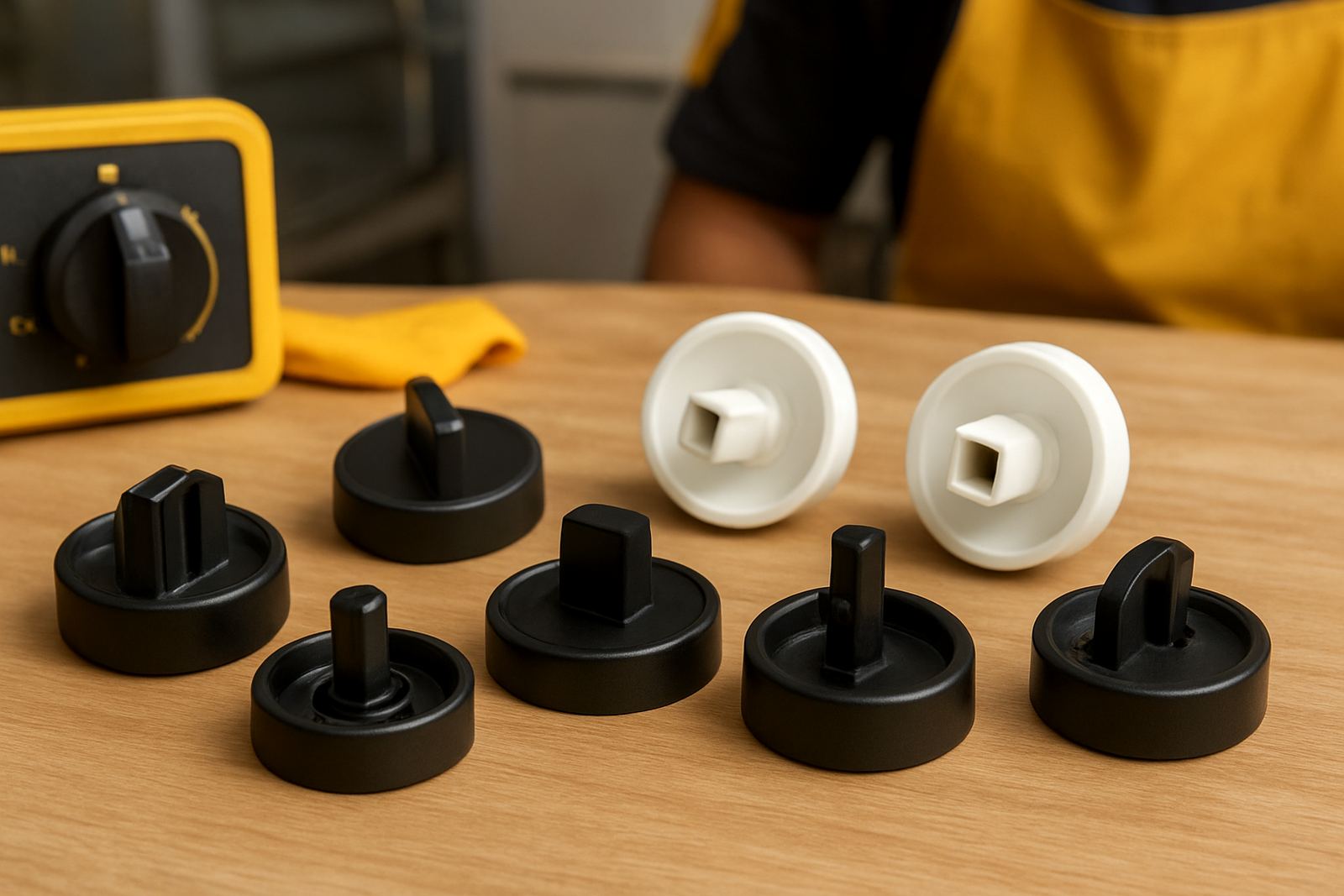
In commercial kitchens, a part is rarely identified by name alone. A heating element may look close to three other types, a thermostat might have the same shape as an older unit but a different probe length, and a gasket can vary by a few millimetres and still fail to fit. That is why a good photo matters. It gives the parts team the details they need to match the item against the machine, not just guess from a description.
At FoodServ Parts Store, we work with restaurants, canteens, bakeries and takeaways across South Africa, from Midrand and Johannesburg to Durban and Cape Town. The better the photo, the faster we can check compatibility, especially when a kitchen has had a few repairs over the years and the original label is faded or missing.
What to include in the first message
If you send one tight close-up only, the picture may be useful for shape, but not for size or fit. Try to include a few angles so the part can be identified properly the first time. A simple set of photos usually works best, and it does not need special equipment.
- A full view of the part on a clean surface
- A close-up of any code, stamp or marking
- A photo of the part fitted in the machine
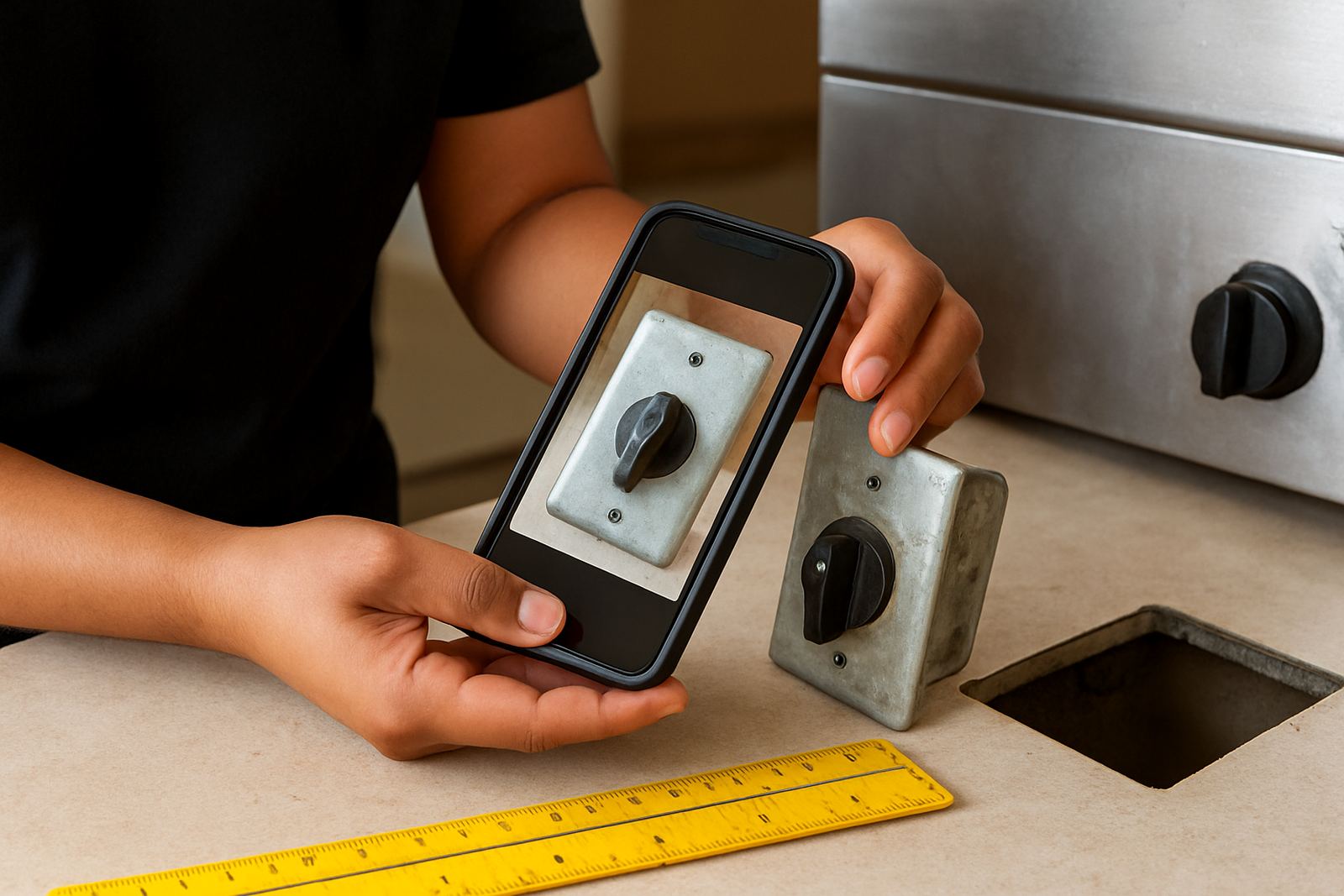
- A ruler or tape measure next to the item
- A picture of the appliance data plate
If the machine has a model number, send that too. On dishwashers and ovens, the data plate is often on the side, behind a panel or near the door frame. On some older units, the plate is worn or partly missing, so the photo of the fitting position becomes just as important.
How to photograph the part so it can be measured properly
Lighting matters more than people think. A blurry picture taken under a bright prep light can hide screw positions, wire terminals and mounting brackets. Use daylight if you can, or stand in a well-lit prep area with the part on a plain surface. Wipe off grease and flour dust first, because even a small build-up can hide the outline or make a gasket look thicker than it really is.
When you send a photo, make sure the camera is level with the part. A picture taken from too high above can make a circular element look oval, and that throws off the size. If the item is broken, send one photo of the damage and one of the intact side. For switched panels and thermostats, include the terminals and the wire layout as best you can, because a small wiring change can affect the replacement choice.
- Use a plain background, not a cluttered work bench
- Keep the whole part in frame, not just one end
- Take at least one photo with a measuring tape visible
- Send the machine door open if that shows the fitting point better
Local example from a Durban kitchen
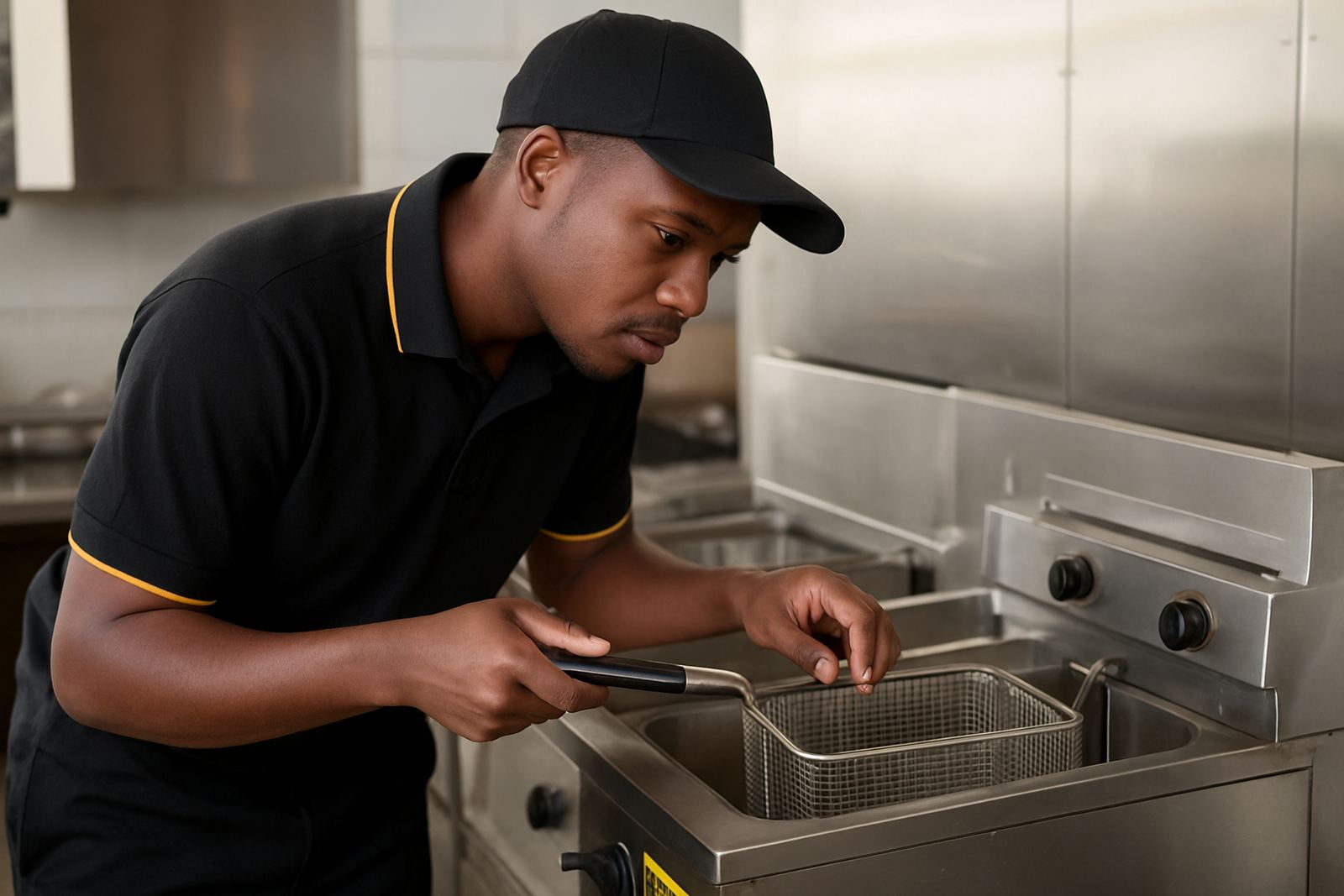
A Durban customer once sent a quick photo of a fryer thermostat and asked for the same part. At first glance it looked standard, but the probe length and capillary route were different from the usual replacement. Because the customer added a second photo of the fryer interior and the data plate, we could check the fit before dispatch. That avoided a return trip and kept the kitchen open for the supper rush.
This is common in coastal kitchens, where heat, humidity and salt air can age parts faster than expected. Gaskets harden, burner fittings corrode, and switch contacts wear after repeated use. In those conditions, a clear photo is more than a convenience, it is part of getting the right spares to site without wasting time.
When the photo alone is not enough
Some parts need a proper compatibility check, even if the photo looks good. That includes elements with similar mounting holes, thermostats with different temperature ranges, and dishwasher parts where the same pump or seal can vary by machine series. If the appliance has been modified, repaired by more than one technician, or moved from another site, the picture may tell only half the story.
In those cases, it helps to add a few notes. Mention what the machine is doing, when the fault started, and whether it still heats, trips power, leaks or fails to switch on. That small bit of extra detail often points the team to the right category straight away.
- Does it trip during start-up or while heating?
- Is the fault intermittent or constant?
- Has the part been replaced before?
- Has the machine been moved, rewired or altered?
A simple habit that keeps kitchen downtime down
We see the same pattern in Midrand depots and kitchens in Pretoria, Bloemfontein and Cape Town. Teams who keep one clean photo of the machine data plate, one picture of the installed part, and one measurement on file usually get faster help later. It takes a minute during a quiet spell, but it saves a lot of back-and-forth when an oven element fails during service or a dishwasher switch panel starts playing up.
For spare parts support, the goal is not just to send a picture. It is to send the right clue, in the right order, so the part can be matched first time. If you are unsure, send what you have and note the appliance type, site location and fault. Good photos are the fastest way to make a good identification, no fancy method needed.