Start with the water quality and supply before the first tray goes in
A lot of dishwasher trouble starts before the machine even switches on. Check that the water supply is open, the pressure is steady, and the inlet hose is not kinked or rubbing against a sharp edge. In Midrand, Pretoria and other inland areas, low pressure can show up during peak demand or after municipal work on the line. If the machine is slow to fill, the wash cycle can run badly and the valves end up working harder than they should.
Make a quick habit of looking at the water feed every morning. If your kitchen uses a filter or softener, confirm that it has not reached its service limit. Hard water leaves scale on elements, spray nozzles and valves, and that build-up often shows first as patchy cleaning or cloudy glasses.
- Check the tap is fully open
- Look for drips at the hose connections
- Confirm inlet strainers are clear
- Watch for low fill times or delayed filling
Clear food residue from filters, strainers and wash arms
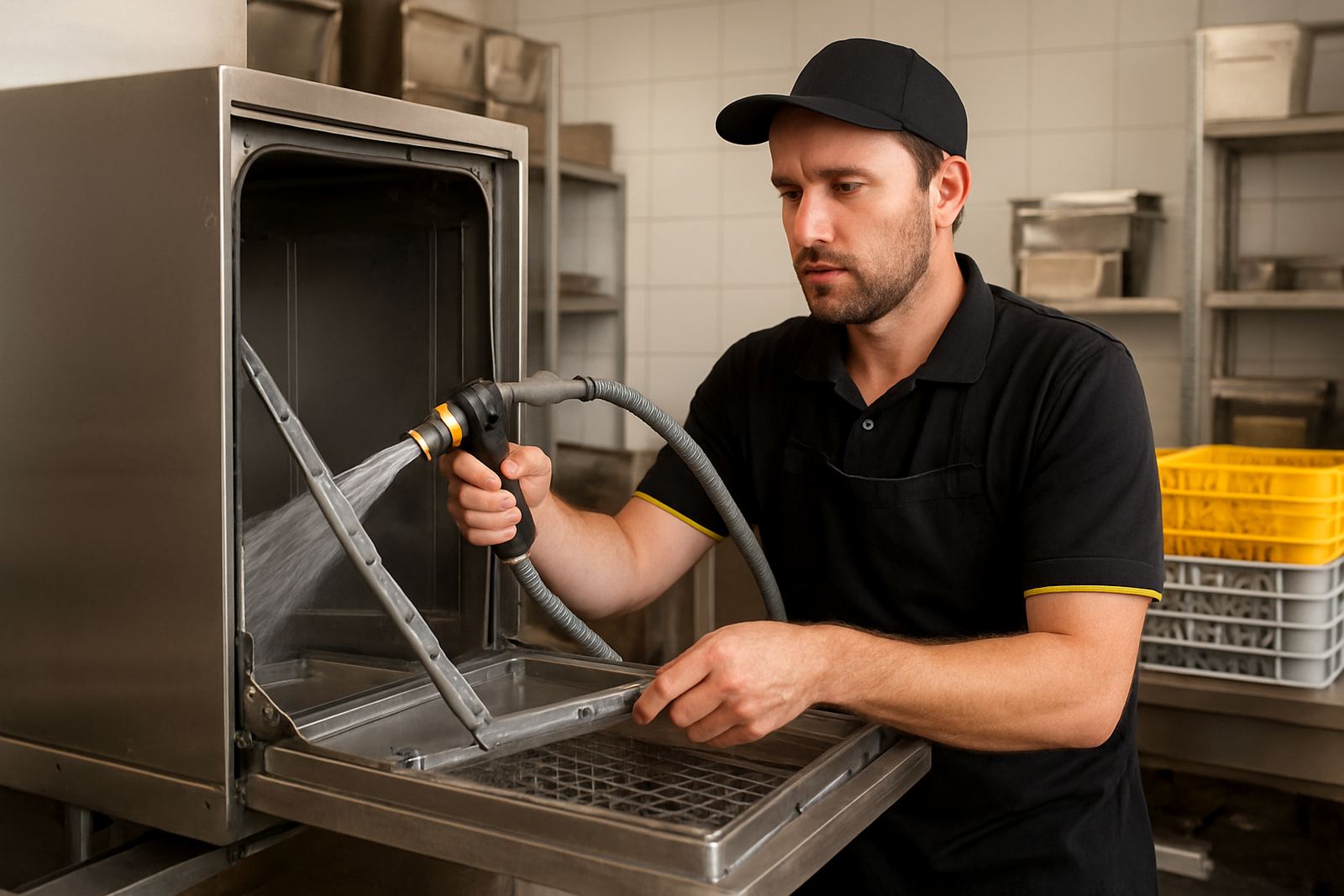
Daily cleaning of the internal strainers is one of the simplest ways to keep a dishwasher performing properly. Food scraps, labels, glass chips and tea leaves can collect in the sump and block circulation. Once that happens, the wash pump struggles and the spray pattern becomes weak. If the wash arms are clogged, the machine may still sound normal but the load will come out with stubborn marks on cups, plates and pans.
Remove the filters at the end of each shift and rinse them under warm water. Check the wash arms by hand and make sure the holes are open from one end to the other. A blocked arm can leave one side of the rack looking clean and the other side showing food marks. That kind of uneven result wastes time because staff often run items through twice.
- Empty and rinse the filters daily
- Inspect spray holes for rice, seeds and labels
- Spin the arms by hand and check for free movement
- Wipe the sump area before closing the door
Look closely at door seals and gaskets before leaks spread
Door seals are easy to ignore until water starts pooling on the floor. A seal that is split, flattened or coated in grease can let steam and rinse water escape. That creates slippery floors, added humidity, and extra wear on hinges and latches. In coastal areas like Durban and Cape Town, moisture and salt air can make rubber parts age faster, so the daily check matters even more.
Run a finger around the gasket and look for cuts, hard spots, loose corners or food debris trapped in the seal channel. If the door has to be slammed to close properly, something is out of line. Catching that early is much cheaper than replacing damaged hinges, latch parts or the seal itself. It also helps stop heat loss which can affect wash temperatures.
- Inspect the full seal path, including corners
- Clean away grease and food build-up
- Check that the door closes evenly
- Watch for water trails under the machine
Check temperature readings and heating response every morning
Temperature is part of proper dishwashing, not just a number on a screen. If the water does not reach the right wash or rinse temperature, grease stays behind and sanitising can be compromised. A thermostat that is drifting or an element that is slowing down may only show up as lukewarm wash water, longer cycle times or plates that never quite dry.
Use the machine controls or a calibrated thermometer, depending on the unit, and compare the reading with your normal operating range. If the heating cycle takes longer than usual after load-shedding or a power dip, keep an eye on it for the rest of the day. Electrical components can be stressed by repeated outages, especially in kitchens that run late and restart often. That is when a small fault turns into a full stoppage.
- Confirm the wash and rinse temperatures are reaching target
- Listen for the heating cycle starting as expected
- Check for burnt smells or tripped breakers
- Note any slow recovery after a busy rush
Watch valves, switches and controls for early warning signs
Switches and valves often fail slowly before they fail completely. A button that feels sticky, a selector that needs extra pressure, or a water valve that chatters can point to wear inside the control path. If these issues are picked up early, the machine may only need a specific part fitted instead of a larger repair later.
Daily attention should include a quick test of the start, stop and cycle selection controls. Look for lights that do not match the machine status, or water that keeps entering after the fill should have stopped. In commercial kitchens around Johannesburg and Bloemfontein, high daily turnover means these small faults are often missed until service is already under pressure. That is when a simple check becomes a good saving habit.
Keep a short fault note book or log sheet near the dishwasher. If the same switch or valve acts up more than once, the pattern becomes clear and the repair can be handled before lunch service gets affected.
Use a closing routine that fits the pace of a South African kitchen
End-of-shift checks do not need to be long. What matters is doing the same things every day so the machine starts clean, dry and ready for the next service. In a catering kitchen, hotel, school or canteen, the last person off shift should know the routine and be able to finish it without guesswork. That means less mess for the morning team and less chance of a surprise leak on the floor.
A simple closing routine should cover the interior, the external panels, the drains and the detergent area. If the unit is switched off overnight, leave the door open where possible so moisture can escape. That helps reduce smells, mould and scale. It is a small step, but over time it protects seals, hinges and internal fittings better than leaving the machine shut up after a busy day.
- Rinse out the interior and wipe the door edges
- Leave filters and arms clean and dry
- Check for leaks around the base and hose joints
- Record anything that needs attention next shift
When daily checks point to a part problem, act before service slips
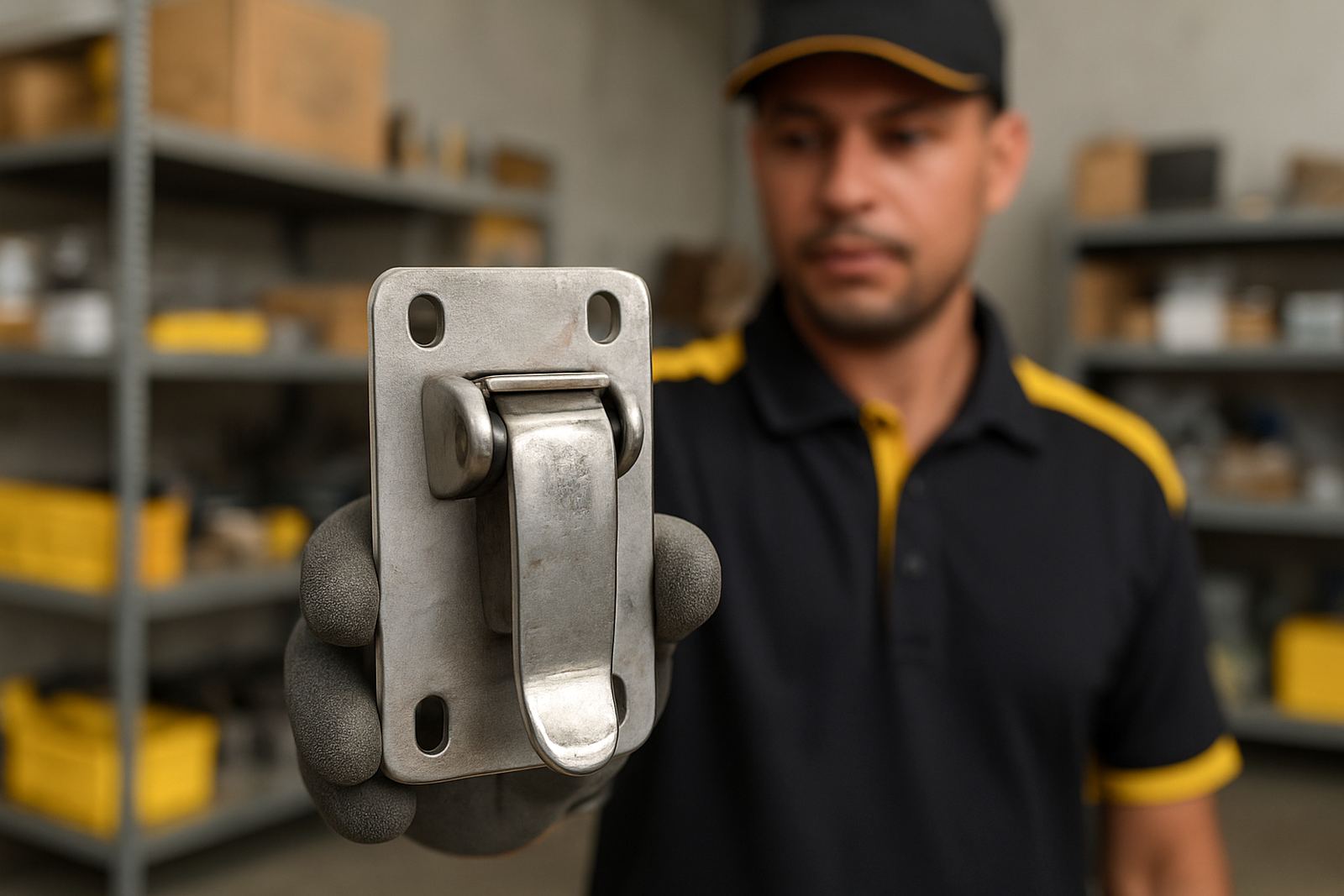
Some faults cannot be solved with cleaning alone. If a dishwasher keeps leaving residue, loses heat, leaks around the door or fails to fill properly, the issue may be in the element, thermostat, gasket, burner on heated units, switch or valve. At that stage the best move is to identify the part correctly and fit the right replacement. A wrong part can waste time and leave the machine down for another day.
FoodServ Parts Store supplies commercial kitchen spare parts nationwide from Midrand, with support for part identification, compatibility checks and fitting where needed. If you are managing a site in Pretoria, Johannesburg, Durban, Cape Town or Bloemfontein, daily checks help you catch problems early and keep the machine working through load-shedding, busy lunch runs and long service hours.
For kitchens that rely on one dishwasher to carry the whole wash-up schedule, daily attention is not extra work, it is part of keeping the kitchen moving. A few minutes each day can save a callout, a rush order and a lost service later.