Why latches take so much punishment in a busy kitchen
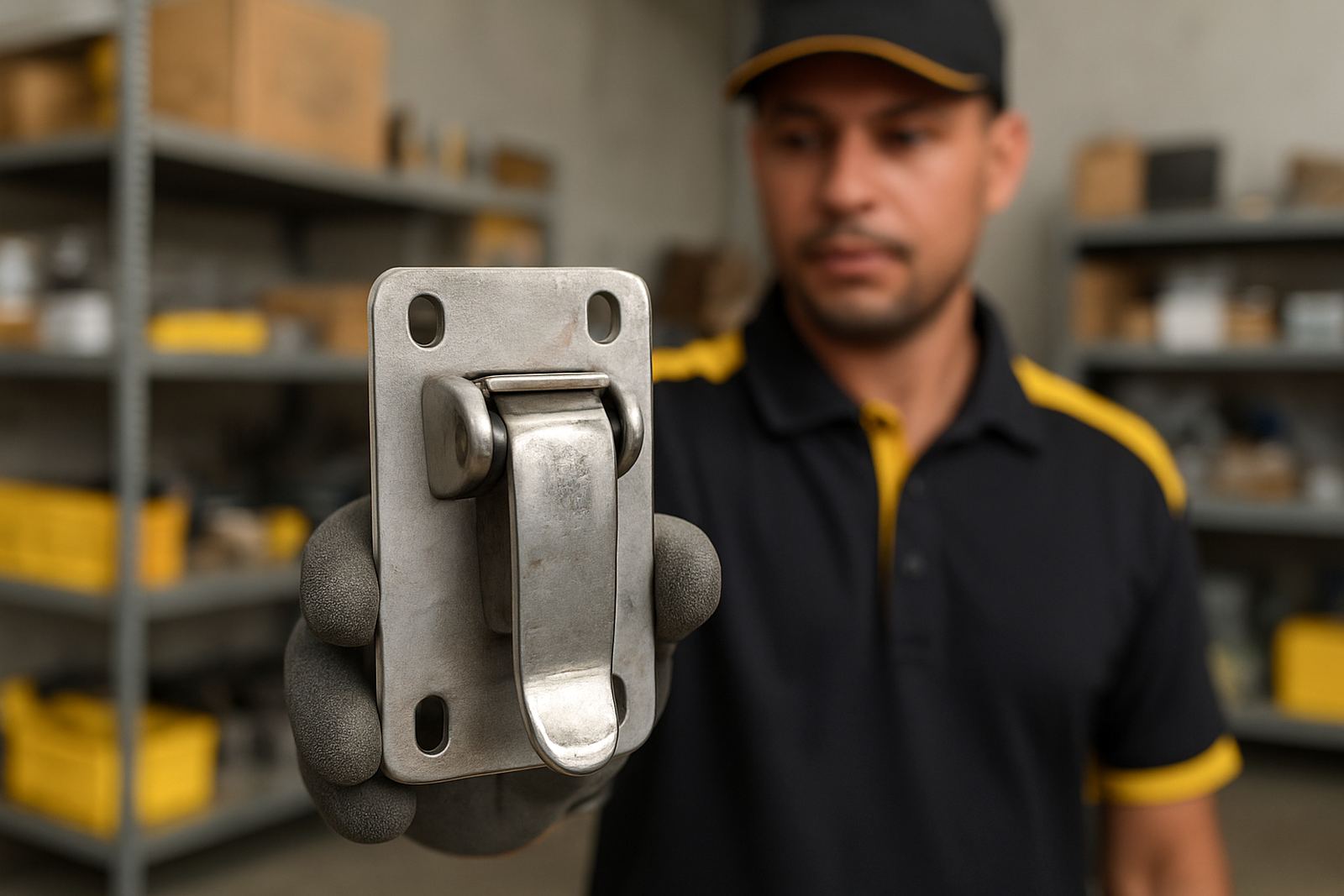
A latch on commercial kitchen equipment works harder than most people realise. It is asked to hold a door shut, keep heat in, resist steam and grease, and still open and close many times a day. In a restaurant, school canteen or hotel kitchen that cycle is constant, and once the door starts being forced or dropped shut the wear speeds up fast.
Repeated slamming is one of the biggest causes of failure. The catch, striker and spring all take impact, and over time the metal stretches or the plastic parts crack. On ovens and dishwashers, high heat and moisture add another layer of stress. A fryer near a busy prep line can see grease build up around the latch, and then the movement becomes stiff. Staff push harder and the part wears even quicker.
In Midrand, we often see this after a unit has been moved, cleaned hard or serviced without checking alignment. The latch is then doing the job of a hinge, seal and stop all at once, which it was never meant to do.
The small signs that show wear before the latch gives up
Most latch failures do not happen overnight. The door starts needing an extra push, or the handle sits a few millimetres off centre. Sometimes the seal looks fine but the unit leaks steam or heat from one corner. If you are paying attention, the warning signs are there long before the latch breaks clean through.
- The door must be slammed to stay closed
- The catch feels loose or rattles when moved by hand
- There is visible rubbing on the striker plate
- Heat escapes around the edge of the door
- The latch only works if the door is lifted slightly
- Grease, flour or detergent build-up is sitting inside the mechanism
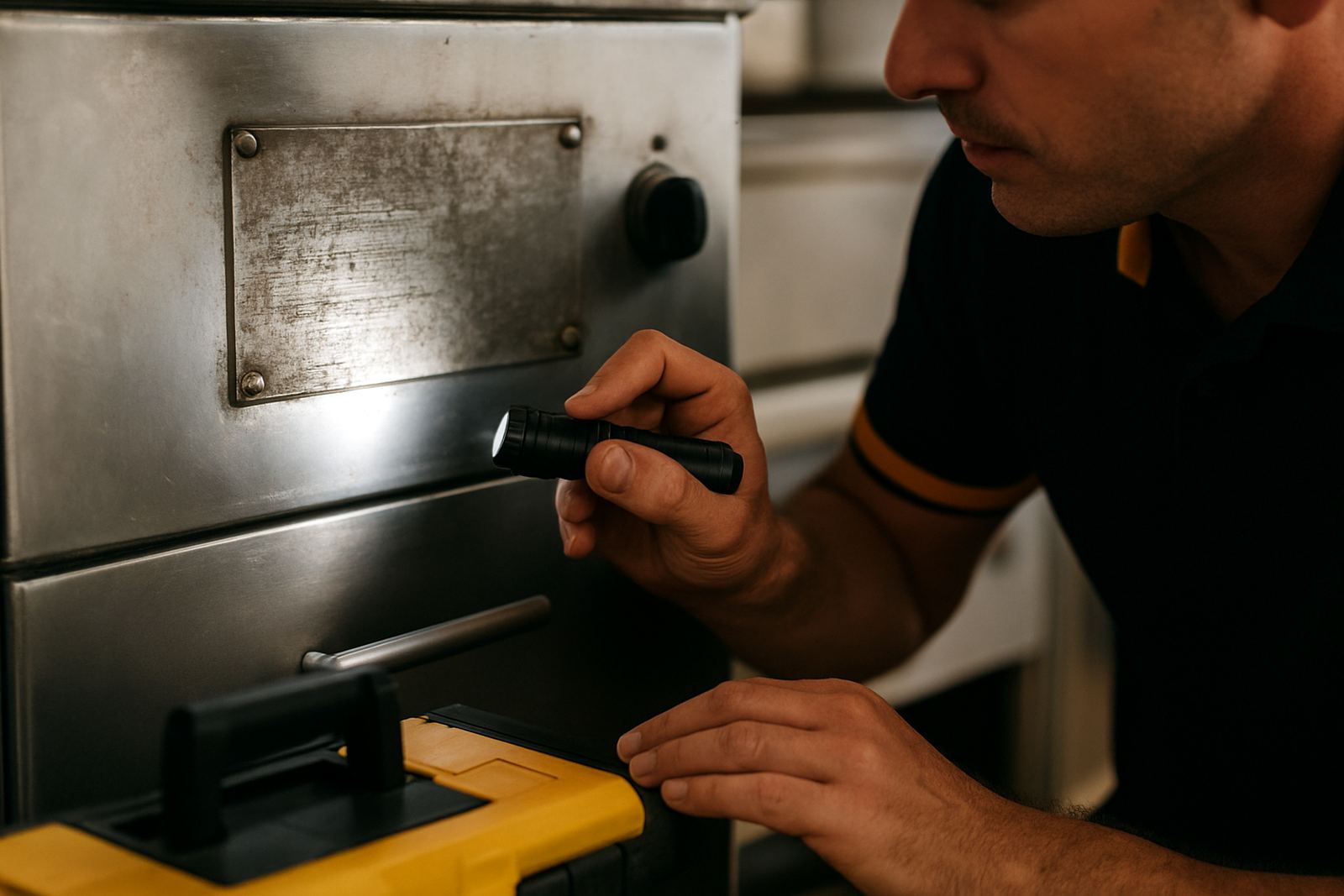
If a dishwasher door bounces open during a cycle, or an oven door will not hold firm, the latch may only be part of the problem. Hinges, frame alignment and worn seals can all contribute. That is why a quick look is useful but a proper check is better.
Heat, steam and grease shorten latch life
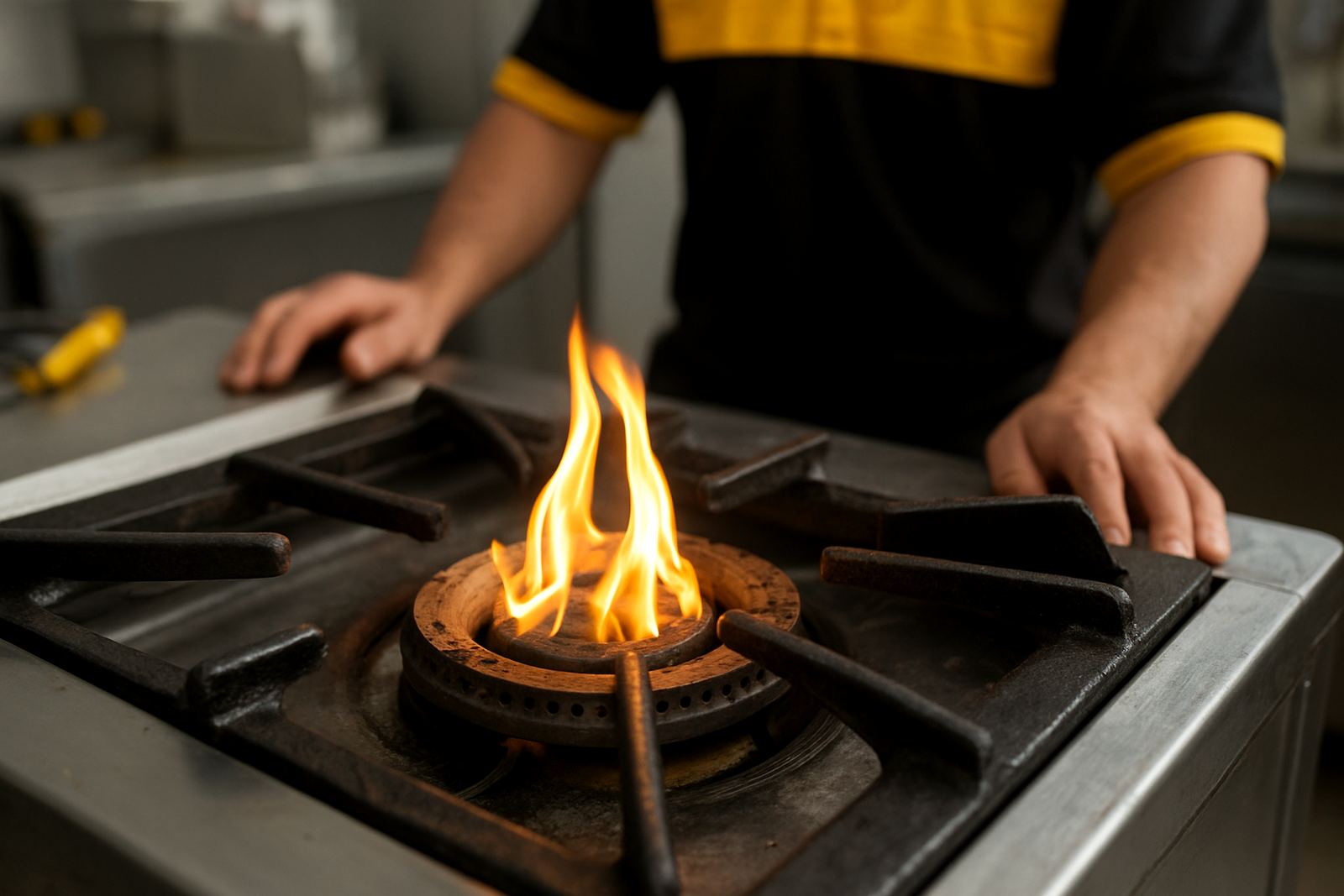
Commercial kitchens put latches in conditions that are far tougher than domestic use. Ovens run hot for long periods. Dishwashers throw out steam and chemical residue. Fryers create fine grease that settles into moving parts. In coastal towns like Durban, humidity makes metal parts corrode faster, especially if the kitchen has poor airflow and cleaning is rushed at the end of service.
Heat changes the shape of some components over time. Springs lose tension, plastic housings become brittle and seals flatten out. If a latch is mounted close to a heat source, even a small bend in the frame can affect how it closes. A tiny shift of 2 or 3 mm is enough to stop a door seating properly, and then every close makes the damage worse.
Operators often notice the problem first as poor energy performance. The oven takes longer to hold temperature, or the dishwasher leaves water where it should have been steamed off. A worn latch is not always the only fault, but it is often part of a wider loss of efficiency.
Misalignment is a bigger problem than most teams think
A latch can wear out quickly if the door, hinge or frame is out of line. This happens after transport, rough handling, a floor settling unevenly or a hurried repair. The latch then has to pull the door into position instead of simply holding it there.
That extra strain shows up on the moving edge first. You may see one side of the catch polished shiny from friction while the other side still looks new. If the door is dragging or the gasket is compressed more on one side, the latch will not last. In some kitchens the problem starts after a gasket replacement, because the new seal is thicker and nobody rechecks the closing point.
When we attend sites in Pretoria or Johannesburg, we often tell managers to look at the whole closing path, not only the part that broke. A latch is usually the symptom. The cause is often a hinge, frame, gasket or installation issue nearby.
What to do before the latch fails completely
Good prevention is practical and does not take much time. The aim is to reduce impact, keep movement clean and catch alignment issues early. That saves money and prevents lost service time, which matters when the kitchen is already under pressure.
- Close doors with steady pressure instead of a slam
- Keep the latch area free of grease, detergent and food debris
- Check hinges for play and tighten fixings when needed
- Inspect the gasket for flattening, splits or heat damage
- Look for signs that the striker is striking off centre
- Do a test close after every major clean or service
If the unit is used in a school, hotel or canteen, it is worth including latch checks in the weekly maintenance round. A short inspection can stop a failed latch from turning into a broken door, a burnt-out element or a cycle that never seals properly.
A practical Midrand example from a real kitchen
We recently dealt with a busy takeaway kitchen near Midrand where the oven door kept slipping open by a few millimetres. The staff had been pushing harder on the handle for weeks and the latch was starting to wear through the catch. By the time they called, the gasket had also been flattened on one side and heat was escaping at the top edge.
The fix was not just a new latch. The hinge alignment had to be adjusted, the seal checked and the closing pressure tested after fitting. Once that was done, the door shut cleanly again and the oven held temperature properly. The manager later said the team had assumed the latch itself was the whole problem, when in fact the wear came from three issues working together.
That is the point with latch failures. They rarely happen on their own. Repeated slamming, heat and misalignment all build up, and the first thing you notice may be the last thing that failed.