Why one wrong knob causes bigger problems
On a commercial kitchen appliance, a control knob does more than look neat. It tells the operator where the heat is set, how far to turn, and whether the switch or thermostat is actually being engaged. If the knob does not match the shaft type, the setting can be off by a few degrees or the pointer can land in the wrong place, which leads to undercooked food, overheating or a damaged switch behind the panel.
We see this often on ovens, fryers and dishwashers that have had a part replaced in a hurry. A staff member may say the old knob was cracked, so any round knob should do. In practice, that is where the trouble starts. The wrong fit can crack again, strip the shaft, or leave the front of the machine looking fine while the internals are still taking strain.
Check the shaft type before you order
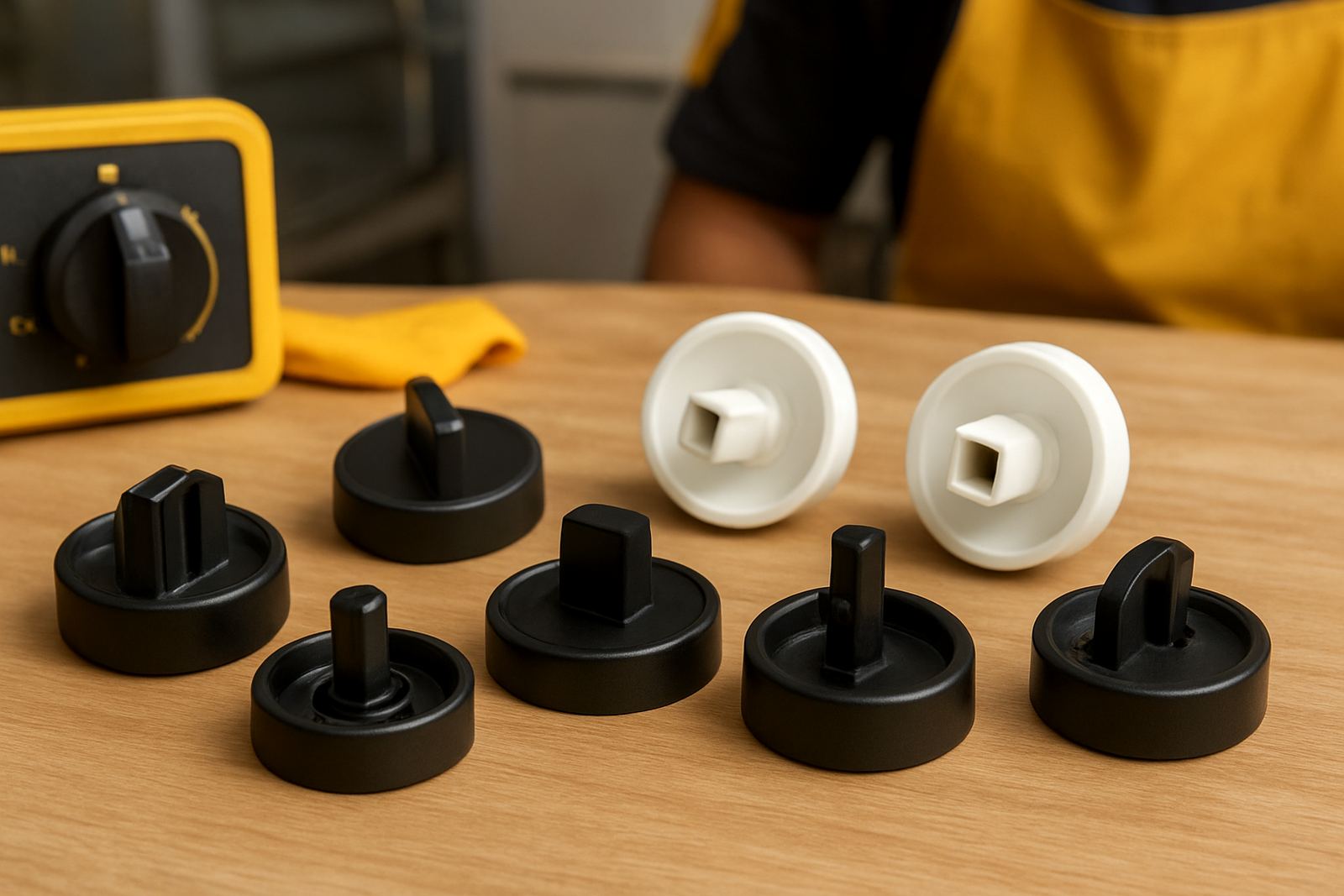
The first step is to identify the shaft on the control spindle. Most commercial appliances use one of a few common shapes, but the size and grip can vary. Do not guess from the front face only. Pull the knob off carefully and look at the shaft profile, depth and any flat edges or splines. A knob that feels tight for a day can still wobble once heat and grease work their way in.
- Round shaft with no flat side
- Flat shaft with one cut side
- Splined shaft with teeth or ribs
- Short shaft for a shallow knob body
- Long shaft where the knob must sit further out
If you are in a busy kitchen in Sandton, Durban or Cape Town, do not let a loose match become a repeat breakdown. The safest route is to compare the old part, take a clear photo, and check the appliance model before you place the order. One missing detail can mean a second trip, and nobody wants that on a Friday lunch shift.
Pointer position matters more than most people think
The pointer or marker on a knob tells the operator where the setting is. On temperature controls, timer dials and dishwasher functions, that marker must line up with the correct position on the fascia. If it is off by even one notch, the visible setting and the real setting no longer agree. That is how a fryer ends up hotter than expected or an oven gets blamed for bad results when the issue is actually the control position.
When checking pointer position, look at where zero, low, medium and high sit on the panel. Some knobs are designed for front reading, while others are meant to be read from above. If the marker is at the wrong angle, the operator may turn past the correct point every time and the machine can end up running harder than needed. On a South Coast site where humidity gets into everything, that kind of mistake can turn into a sticky control that no one trusts.
- Confirm where the off position sits
- Check whether the marker is top read or front read
- Make sure the knob face matches the printed scale
- Test the full turn before putting the unit back into service
Signs the knob and the control are not matched
There are clear warning signs when a knob is not the right one. The control may turn too freely, stop short, or bind before reaching the last setting. Sometimes the knob sits crooked and leaves a gap at the front. In other cases the pointer looks correct but the unit underneath is not changing at the same rate. That usually means the shaft is slipping or the inner grip is worn.
Listen for clicking, feel for rough travel and check whether the indicator lines up every time you return to the same setting. If a fryer knob keeps sliding off after cleaning, or a dishwasher cycle selector no longer lands on the proper programme, do not keep forcing it. The part may seem small, but a small fault can stop the whole line later in the day, especially when the load shedding window closes and everything must be back on quickly.
A practical fitting check for kitchen staff
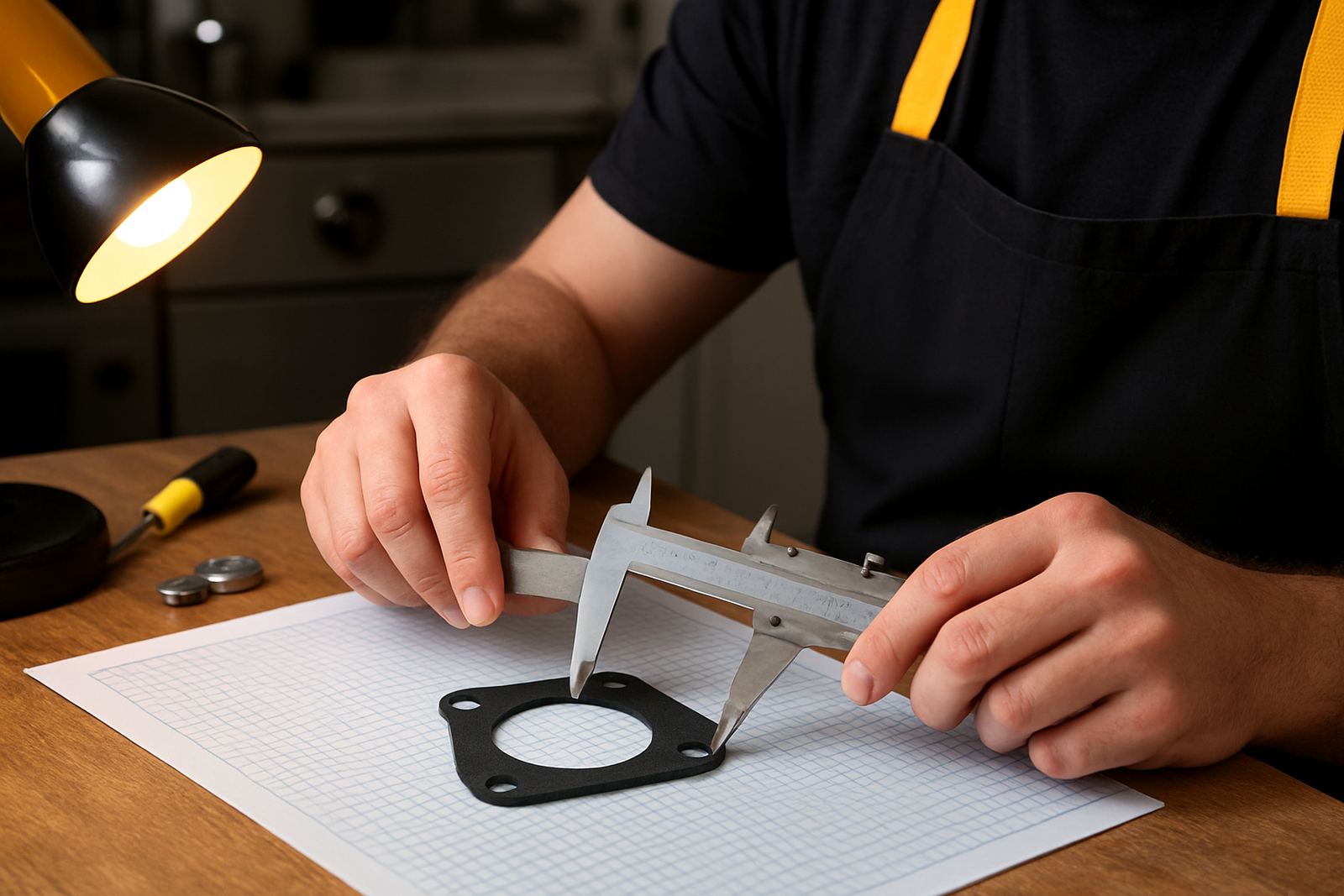
Before fitting a replacement, clean the shaft and the front panel so you can see wear, grease and cracks. Then compare the depth of the old knob, the shaft opening and the pointer location. If the old knob had a set screw, spring clip or push fit, use the same style unless the appliance instructions clearly allow otherwise. A quick dry fit is worth the time, because it saves you from finding out after service has already started.
For kitchens in Midrand, Pretoria or Johannesburg, a local dispatch from our Midrand base helps cut down downtime. We work with part identification, compatibility checks and fitting support so the right knob goes on the right control the first time. Our team also assists with post-fit testing to make sure the setting matches the actual function, not just the marking on the face. Small check, big difference.
Why local support helps when time is tight
Commercial kitchens do not have time for trial and error. A hotel in Bloemfontein, a takeaway in Durban or a canteen in Pretoria all need the same thing, the correct part and a clear answer. When you send us the appliance details, we check whether the knob suits the shaft type, the control range and the pointer position. If needed, we can guide element fitting, thermostat fitting, gasket fitting, burner fitting, switch panel repairs and dishwasher part fitting as well.
That kind of support matters because a knob is only useful when the control behind it is sound. If the shaft is damaged or the switch is worn, the new part will not solve the fault on its own. The better approach is to match the knob, check the mechanism, then test the unit under normal use. It keeps call-backs down and helps the kitchen stay open without unnecessary delays.