Why a yellow flame matters on commercial gas equipment
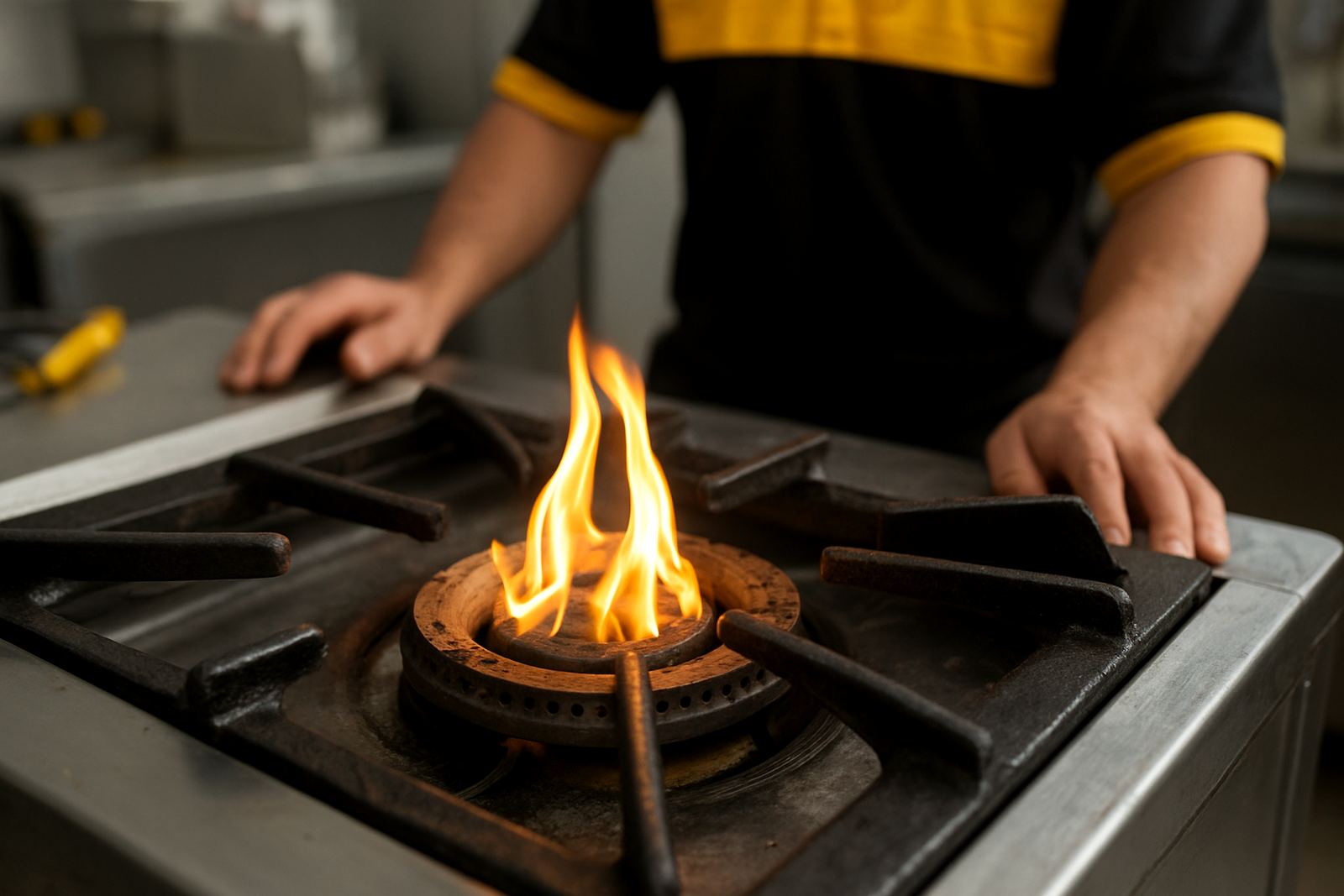
On a healthy gas burner, the flame is usually mostly blue with a steady shape. When the flame turns yellow or lazy, the burner is often running too rich, has blocked air intake, or is fitted with a jet that does not suit the appliance. In practical terms, that means slower heating, more soot, and a higher chance of heat damage around the burner area.
For a restaurant in Johannesburg serving lunch under pressure, even a single fryer or oven burner running wrong can throw off service. The problem often starts small, then gets worse after repeated cleaning, heavy use, or if the unit has been moved and reconnected without a proper check.
- Yellow flame can leave black marks on pots, trays and burner caps
- It may produce a gas smell, especially at startup
- The appliance can take longer to reach temperature
- Parts around the burner may overheat and wear faster
The three common causes: dirt, air mix and jetting
The first thing to check is dirt. Food splash, grease and dust can block burner ports or air openings. In coastal areas like Durban and Cape Town, salt and moisture can also help corrosion build up faster, especially on units left open after a long shift.
The second cause is poor air mix. If the burner is not drawing in enough air, the flame burns yellow instead of clean blue. This can happen when the air shutter is blocked, set too closed, or full of grime. It is a small setting, but it changes how the burner behaves quite a lot.
The third cause is incorrect jetting. The gas jet size must suit the equipment and the gas type. If the wrong jet has been fitted, or a conversion was done without proper checking, the flame pattern will not be right and the appliance may never settle properly.
- Blocked burner holes from grease or carbon
- Air shutter set too closed or clogged
- Wrong jet size for the gas supply in use
- Loose fittings or worn burner components
What a kitchen manager can check before calling for parts
You do not need to strip the whole unit first. A careful visual check can show whether the issue is simple contamination or something that needs replacement parts. Switch off the gas and let the unit cool before touching anything, then inspect the burner area with a torch and clean cloth.
Look at the flame, the burner ports and the area around the injector. If you see soot, rust flakes or blocked holes, those are useful clues. If the burner has been recently fitted after load-shedding recovery work or a move between sites, the setup may have been disturbed and needs a proper reset.
- Check whether the yellow flame appears on one burner or all burners
- Look for soot on pans, shelves or inside the chamber
- Smell for unburnt gas at ignition or during operation
- Confirm the gas type and any conversion work done
If the flame stays yellow after cleaning, do not keep forcing the appliance. That usually means the fault is deeper than surface dirt.
When a burner part needs replacement instead of cleaning
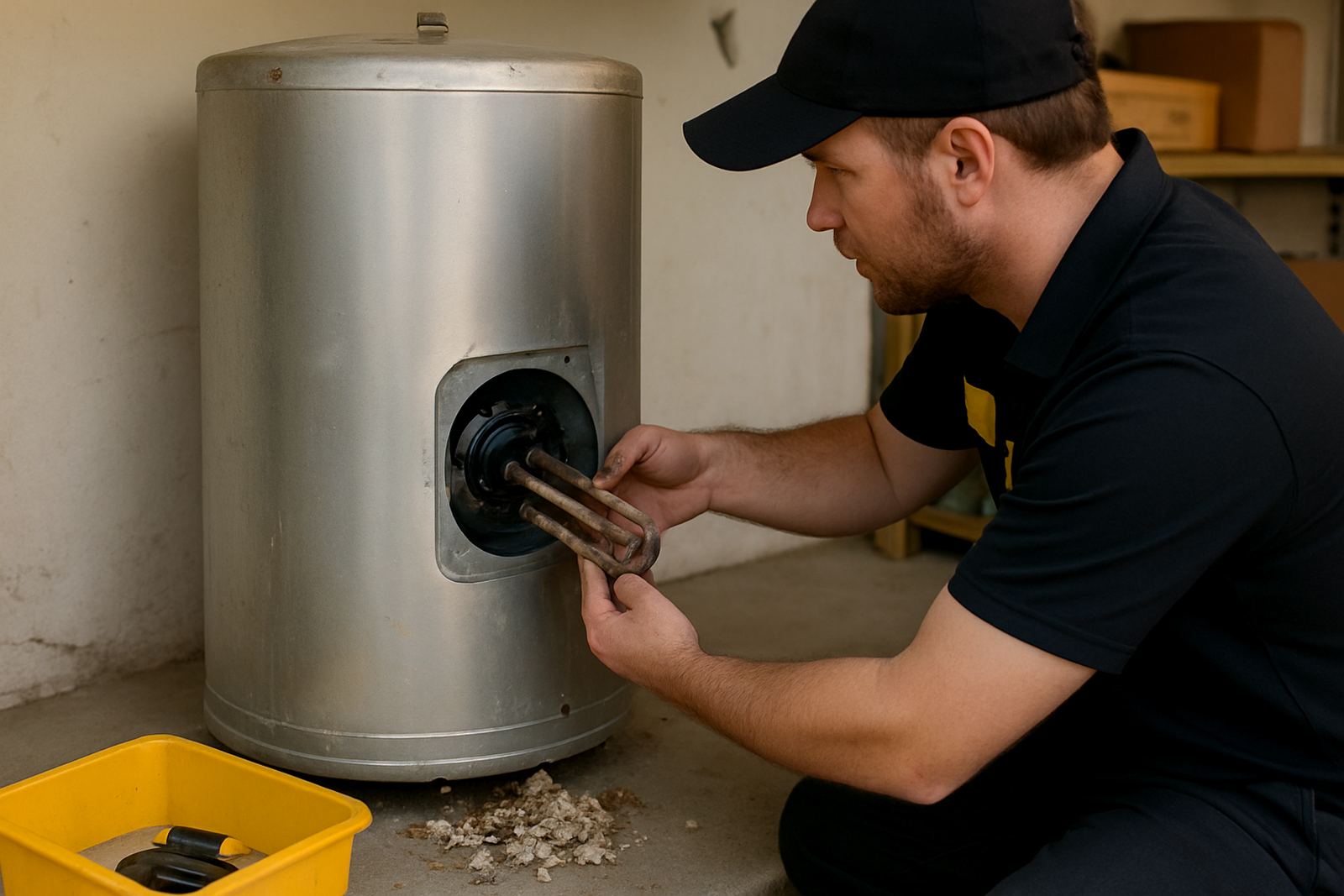
Sometimes the issue is not only dirt, it is wear. Burners in commerical kitchens work hard, and parts such as injectors, burner heads, ignition components, gaskets and control switches can age in different ways. If the part has warped, cracked or corroded, cleaning will only buy a short bit of time.
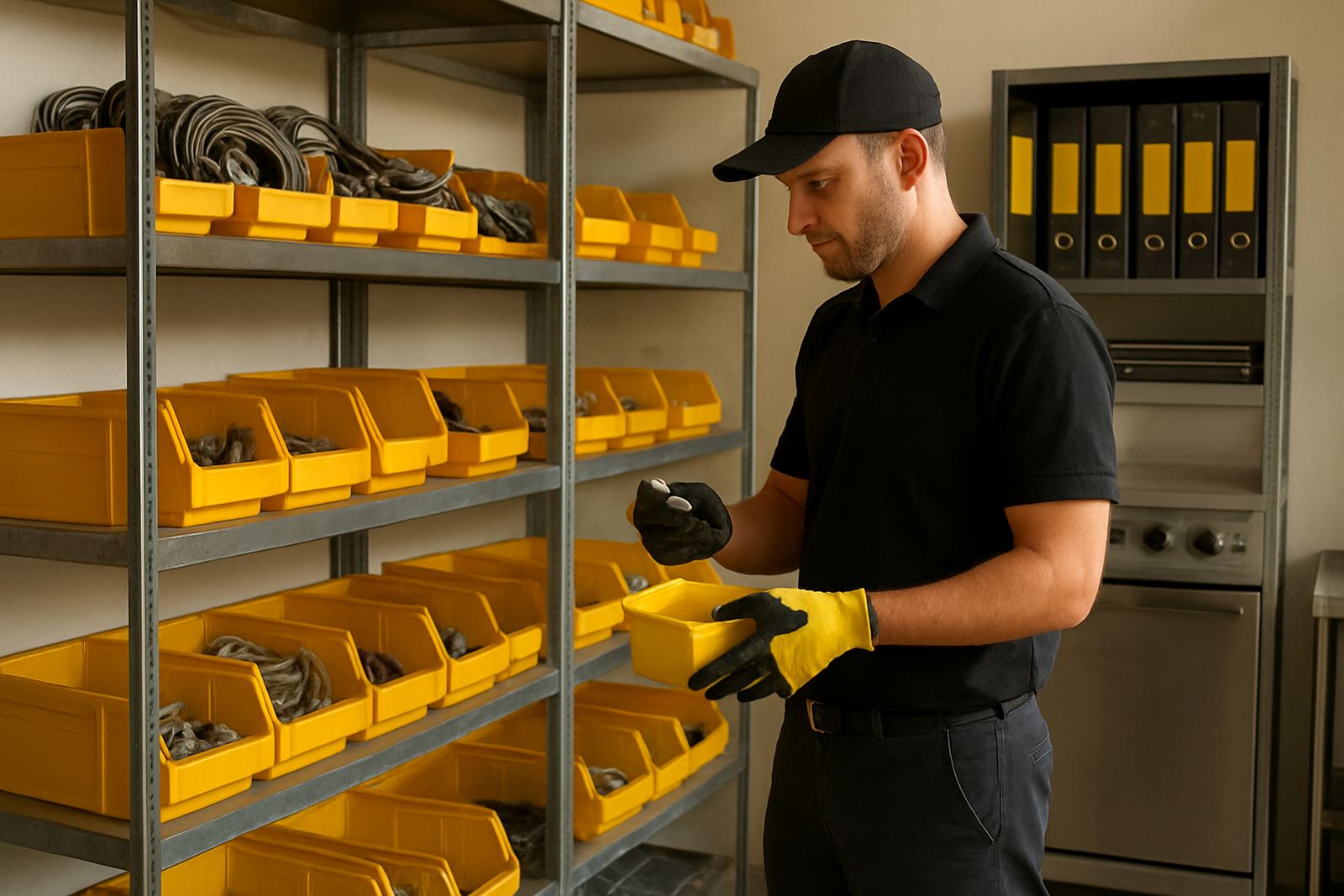
FoodServ Parts Store helps identify the part before money is spent on the wrong item. That matters when a site in Pretoria or Bloemfontein needs a quick fix and the kitchen cannot wait for trial and error. Compatibility checks save time, especially on older ovens, fryers and dishwashers where model labels are worn or missing.
- Burner ports are damaged or uneven
- The jet size does not match the gas supply
- Gaskets are leaking air and affecting the flame
- Switches or ignition parts are failing intermittently
A Midrand example: one yellow flame that turned into a bigger fault
A catering kitchen near our Midrand base called in after one oven burner kept burning yellow while the others looked normal. The team had already brushed off visible grease, but the flame still lifted and left light soot on the tray rails. On inspection, the burner head had a mix of carbon and a worn jet, which meant the cleaning had not solved the full issue.
After the correct part was identified, the burner was fitted and tested, and the flame returned to a clean blue. That kind of fault is easy to miss if you only look at the surface. A flame can change because of a tiny opening that is partly blocked, not because the whole appliance is failing.
In a kitchen that depends on breakfast service by 6 am, a small burner issue can turn into late orders and wasted gas. It is worth fixing early rather than waiting for a shut-down.
How FoodServ Parts Store supports burner repairs nationwide
We supply commercial kitchen spare parts from Midrand to Johannesburg, Pretoria, Durban, Cape Town and Bloemfontein, with dispatch across South Africa. Our work includes part identification, compatibility checks, element fitting, thermostat fitting, gasket fitting, burner fitting, switch panel repairs, dishwasher part fitting, onsite parts support and post-fit testing.
If you are dealing with a yellow flame, the aim is to match the right part to the right appliance and confirm the burner is running properly after fitting. That is the difference between a short-term patch and a fix that holds up under daily use.
- Send a clear photo of the burner and rating label if available
- Note the gas type, appliance make and the fault symptom
- Tell us whether the flame is yellow at startup or all the time
- Ask for compatibility checks before ordering
A clean flame is not just about appearance. It helps the kitchen heat properly, stay safer and avoid repeat callouts.