Why small leaks matter more than they seem
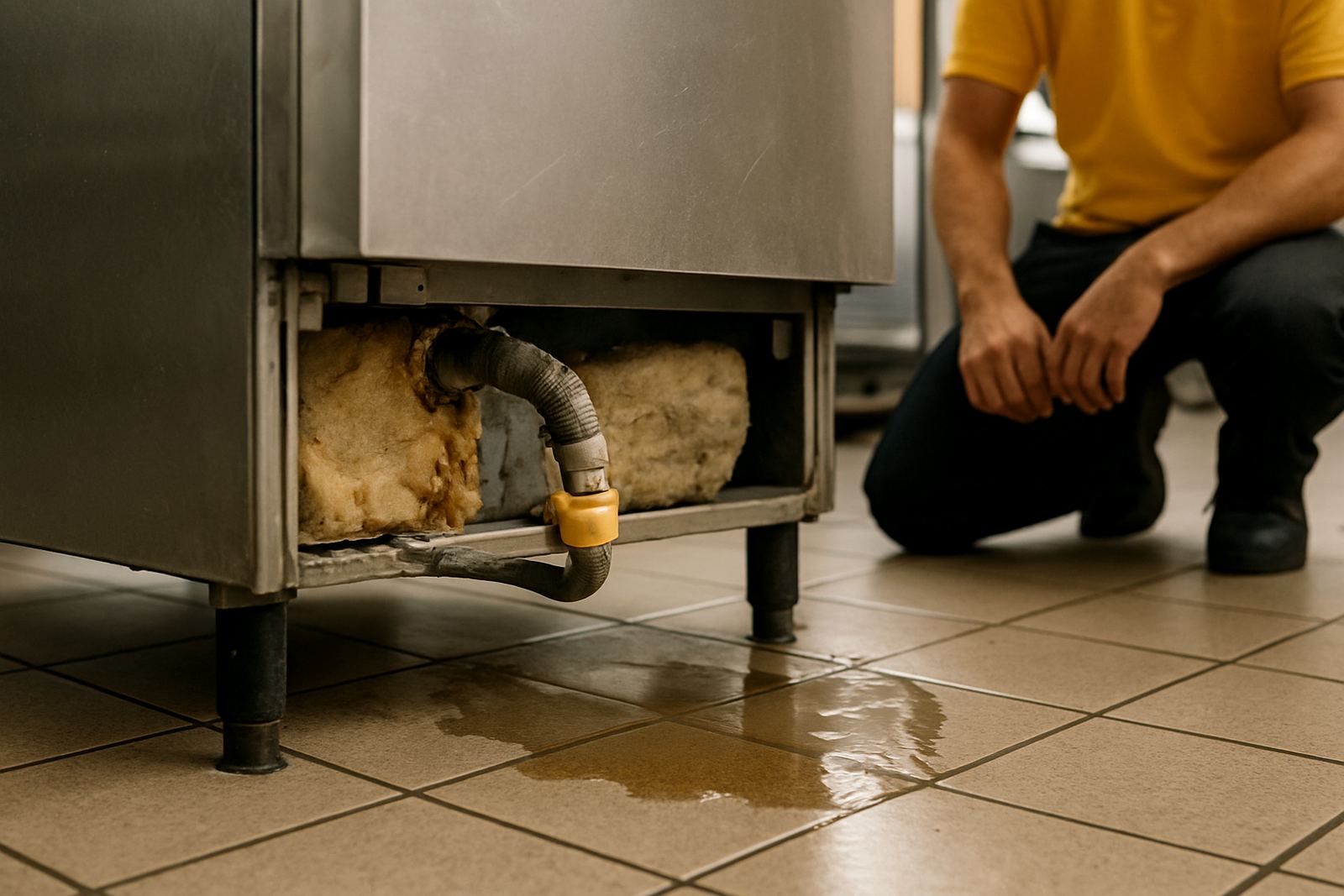
In a busy kitchen, a drip is rarely just a drip. Water escapes from a hose, seal, valve or connection, then spreads into insulation, electrical compartments and floor areas where people move fast and mop less than they should. On ovens, fryers and dishwashers, the damage can show up long before the machine stops completely.
Repeated leaks also change how equipment runs. A dishwasher may struggle to hold temperature if the fill level keeps dropping. A fryer with a hidden leak can pull in moisture where it should not, and an oven with a weak gasket may waste heat while making the chamber harder to control. In coastal areas like Durban, where humidity sits high for much of the year, these problems can build faster and leave parts rusted or crusted with scale.
That is why leak signs should be treated as part of normal fault finding, not as a cleaning issue alone. If water keeps reappearing in the same place, there is usually a failed part behind it.
The first signs staff usually spot
Most leaks are first noticed during opening checks or while cleaning down at the end of service. A team member might see a damp patch under a dishwasher, a trail of mineral build-up near an element boss, or a drip line that keeps returning even after wiping. Those clues matter because they show where water is moving, not always where it is coming from.
A common mistake is to assume the machine is simply sweating from steam. Condensation can happen, yes, but it leaves a different pattern. Leaks usually leave a fixed stain, wet spot or crusted edge that gets worse over time. If the same area keeps going damp, there is a reason for it.
- Water pooling only after a wash cycle or heat-up cycle
- Drips from the bottom edge of a door or access panel
- Wet insulation, soft floor sealant or swollen chipboard basework
- Slow loss of tank level with no obvious overflow
Stains, scale and white marks tell a story
Water leaks do not always leave a clear stream. In many South African kitchens, especially where water is hard, they leave chalky scale instead. That build-up forms as water escapes and dries, leaving minerals behind on pipe unions, heating pockets, gaskets and valves. Once scale starts collecting, it can push seals out of position and make a minor leak turn into a bigger one.
Look closely at where the stains sit. If the mark is directly below a connection, the problem may be a fitting, clamp or hose. If the scale runs in a line down the side of the machine, the source may be higher up, perhaps around a lid, tank edge or control section. A leak near a wash pump or spray arm can also leave uneven marks inside the cabinet, then show up later as rust or electrical faults.
Midrand kitchens supplying schools, canteens and contract catering sites often report the same pattern: more refills, more scale and then heating trouble. That sequence usually means a seal or valve has been leaking for a while, not that the machine has suddenly failed.
Where the leak usually starts on wash equipment
On dishwashers and related wash gear, the likely trouble spots are predictable. Doors, drain points, fill valves, pump housings, hose clamps and element seals all work under heat and pressure. When one of them starts to fail, the leak may only show when the machine is full or when the cycle changes phase.
Door gaskets harden with age and lose their shape. Valves wear, especially where silt or scale is present. Elements can leak around the flange if the sealing surfaces have been disturbed. Even a small crack in a hose can mist water onto nearby wires, which then leads to tripping or intermittent operation. If the machine sits on a poor floor slope, water may run away from the actual source and make diagnosis harder.
Before swapping parts, it helps to check the sequence. Does it leak while filling, only during wash, or after the cycle ends? That answer often points to the fault area and saves time on the job.
A simple site check before the problem gets bigger
If a leak is suspected, switch the machine off and let it cool before opening panels or reaching inside. Water and live electrical parts do not mix and a quick look can turn into a dangerous repair if the unit is still powered. Once safe, dry the area and watch for fresh moisture from the likely source.
Use a torch, not a hosepipe, and inspect slowly. Check under the machine, behind access panels and around all visible joints. On stainless units, even a small wet line can show a bigger problem hiding above it. If the site has load-shedding history, check whether power interruptions have caused repeated restarts that may be affecting valves, switches or pumps. That does happen in kitchens from Pretoria to Cape Town.
- Dry the machine and mark the first wet point
- Check clamps, hose ends and gasket edges
- Look for loose fittings, cracked rubber and scale trails
- Confirm whether the leak appears during fill, heat or drain
When fitting the right part stops repeat water loss
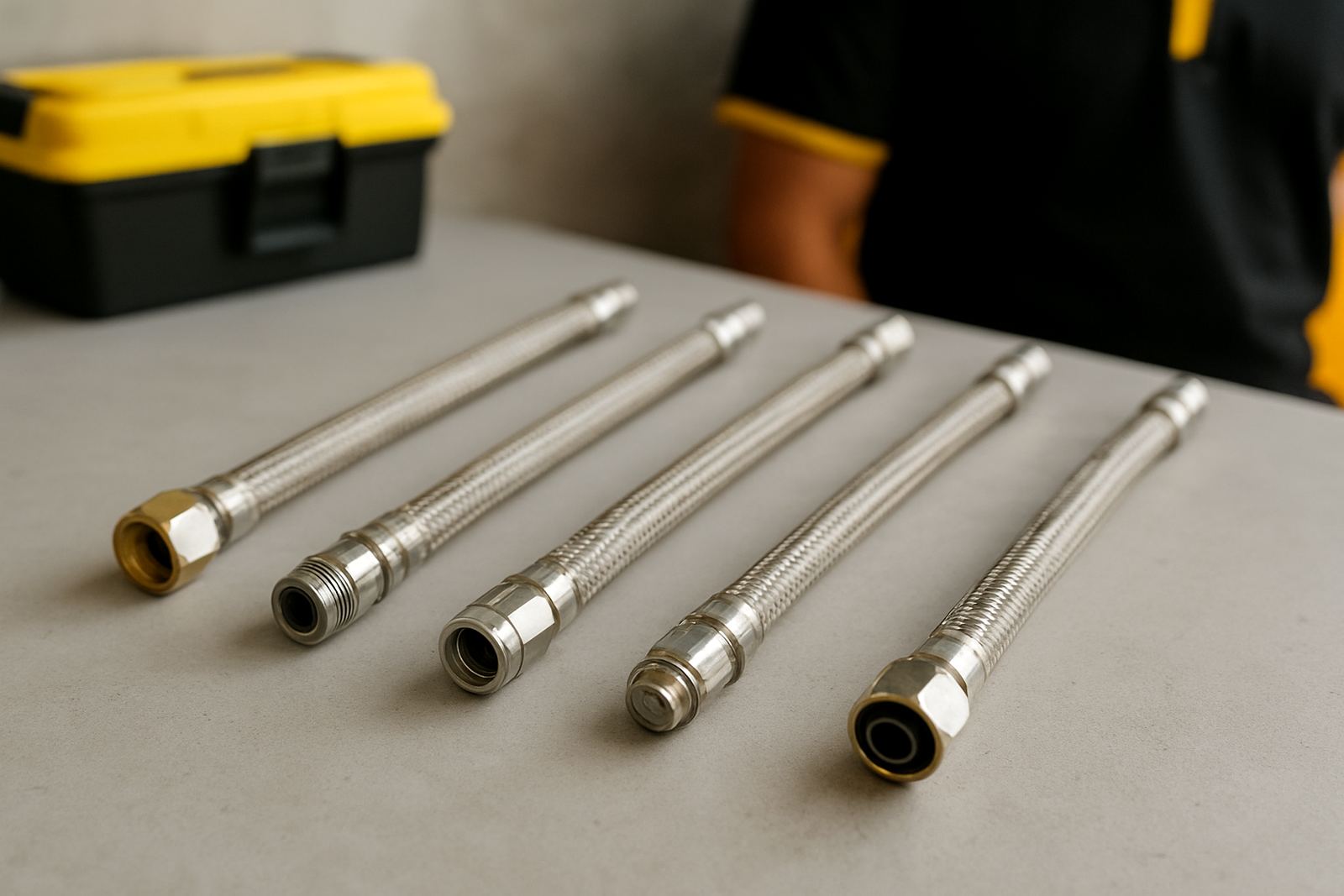
Once the source is identified, the fix should match the fault, not the symptom. A worn gasket needs proper replacement and alignment. A failed thermostat housing or element seal must be fitted cleanly so water does not creep back in. If a valve or switch panel has been damaged by moisture, checking compatibility before ordering parts is essential, because the wrong part can fit badly and fail again.
For kitchens with constant service pressure, post-fit testing is worth the time. Run the unit through a full cycle, check for drips, and watch for fresh scale or moisture around the repaired area. That final step often catches a poor seal or a loose clamp before the machine is put back into service.
FoodServ Parts Store supports commercial kitchen teams nationally from Midrand with part identification, compatibility checks and fitting support for elements, thermostats, gaskets, burners and switches. If a leak has started showing through stains, scale or repeated refilling, it is usually telling you where to look first. Ignore that signal too long and the repair becomes bigger, messier and more costly than it needed to be.