What actually kills an element in daily kitchen use
An element is built to turn power into heat, but it only lasts if it is kept under the right conditions. In ovens, fryers and dishwashers, the biggest killers are poor water contact, uneven loading, voltage faults and heat cycling that never lets the part rest. Once the sheath runs too hot the metal weakens, insulation breaks down and the element fails, sometimes with a bang and sometimes just by going open circuit.
In many South African kitchens the first sign is not total failure, but slower heat-up times, tripping breakers, or food that takes longer to recover after each batch. If staff keep pushing the machine through service, a weak element can become a bigger fault that also damages terminals, switches and contactors.
- Slow heat-up after cleaning or descaling can point to early element damage
- Repeated breaker trips often mean the problem is in the circuit, not only the element
- Burn marks around terminals usually mean heat build-up from a bad connection
- Short cycling can happen when a thermostat is chasing a failing element
Dry firing is one of the fastest ways to shorten life
Dry firing means powering an element without enough water, oil or product around it to carry the heat away. This is common in fryers after draining, in dishwashers during fill faults, and in ovens where an element is left on with little airflow or no load. The element surface gets far hotter than it was designed for, so the sheath can warp and the internal wire breaks down fast.
This fault is especially common after a cleaning shift or during a busy breakfast rush when a machine is switched back on before the tank is properly filled. A fryer element that ran dry for only a few minutes can look fine from the outside and still fail a few days later. That is why post-fit testing matters, and why staff training matters as much as parts replacement.
- Always confirm water, oil or steam levels before switching on
- Check fill valves, float switches and pump operation if dry firing repeats
- Do not leave heating controls on while a tank is drained for cleaning
- If an element smells burnt after a start-up, isolate the unit and test it before use
Scale, lime and hard water are a quiet problem in many towns
Scale is one of the most common reasons elements burn out early, especially where water is hard. Build-up on the sheath acts like an insulating blanket, so heat cannot move into the water properly. The element then runs hotter and hotter until the metal fatigues. In dishwashers this shows up as slower wash recovery, cloudy rinse results and higher electricity use.
We see this often in inland areas and older buildings where water treatment is limited. A restaurant in Midrand might run fine for months, then after winter service find that its dishwasher element is scaling up faster because the machine is working harder with colder incoming water. On the coast, humidity does not cause scale, but it can add corrosion to terminals and joins, which creates another failure point.
- Descale on a proper schedule, not only when performance drops
- Use the right cleaning chemistry for stainless steel and element materials
- Check rinse arms, filters and spray nozzles so the machine is not overheating
- Inspect terminals for white residue, rust or green corrosion after wash-downs
Wiring faults and loose terminals create heat where you do not want it
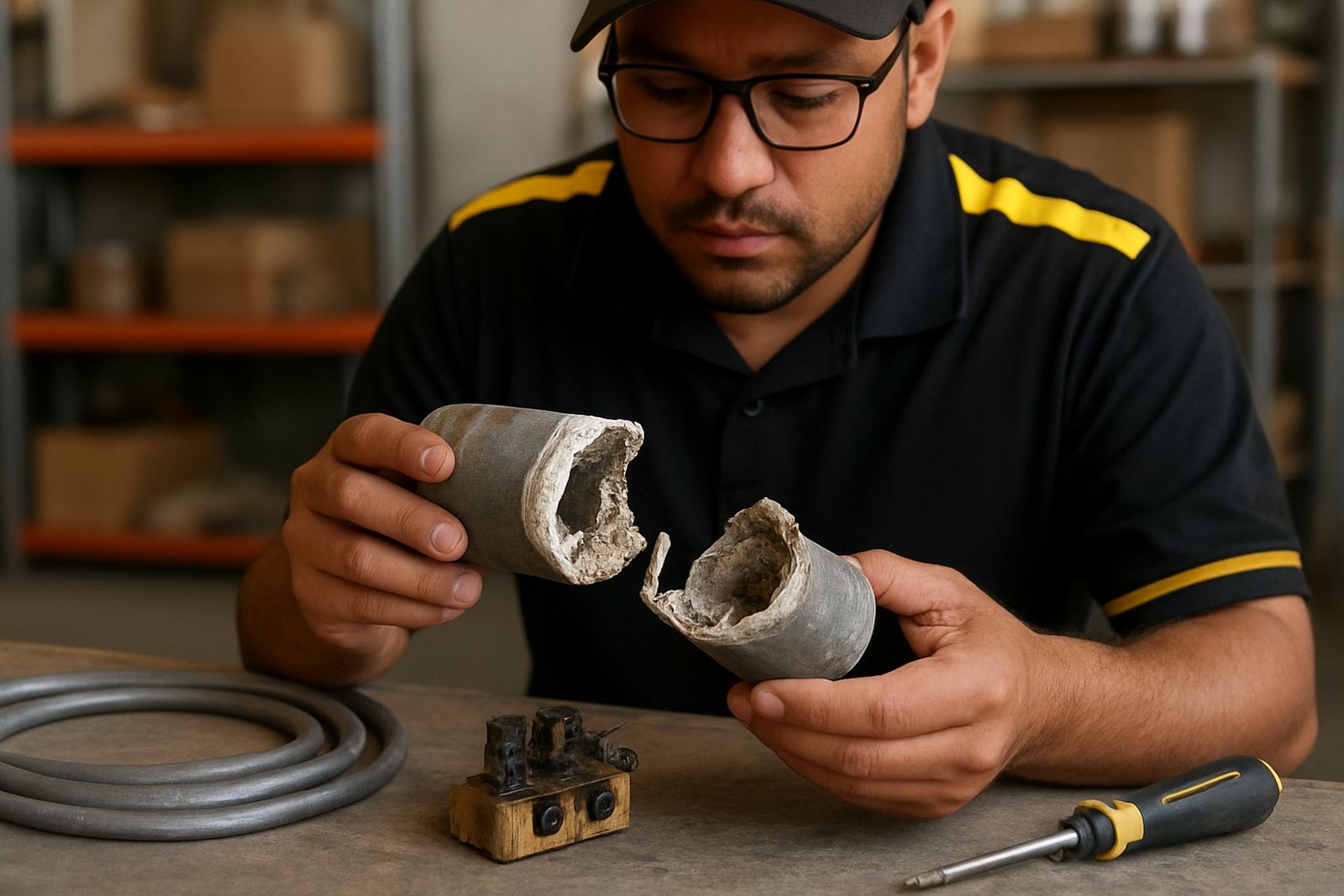
Not every burnt element fails because the heating wire inside has reached the end of its life. Sometimes the real fault is outside the element, in the wiring, connectors, relays or control gear. A loose terminal creates resistance, and resistance makes heat. That heat can blacken the connector, melt insulation and eventually take out the new element as well.
This is why a proper check should include the full circuit, not just the part number on the old element. We often find terminals that were fitted with the wrong lug size, switch contacts that are pitted, or a cable that has gone brittle from repeated heating. If a technician changes only the element and leaves the bad connection in place, the call-out will come back.
- Look for discoloured terminals, melted sleeves and brittle wire insulation
- Test contactors and switches under load, not only with the power off
- Make sure the replacement part matches the machine voltage and wattage
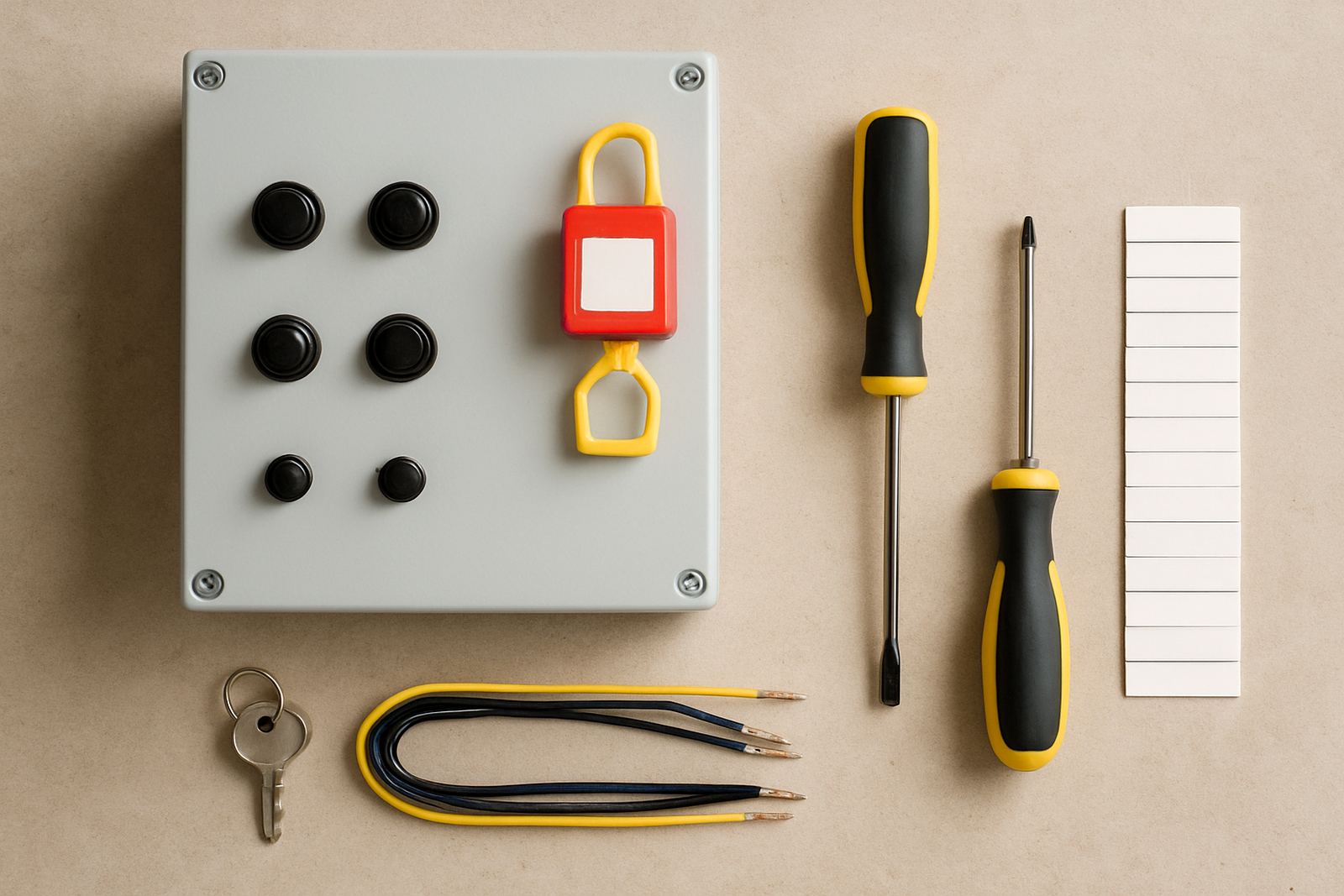
- Use proper crimping and secure terminations on every repair
Age and constant cycling eventually wear any element out
Even when the machine is well cared for, every element has a working life. Each time it heats and cools, the metal expands and contracts. Over time that stress builds up, especially in equipment that runs hard through lunch and supper service. Ovens with repeated door opening, fryers with frequent temperature recovery and dishwashers running back to back all put extra strain on the element.
Older equipment can also have control issues that make the element cycle too often. A thermostat that is drifting out of range may switch the element on and off more than necessary. That shortens life and makes power bills climb. If a kitchen is already dealing with load-shedding, the start-stop pattern can be even harsher because equipment is switched back on under pressure.
The practical answer is to keep records. If the same machine burns through elements every few months, there is usually an underlying cause that needs proper fault finding.
How to stretch element life before the next breakdown
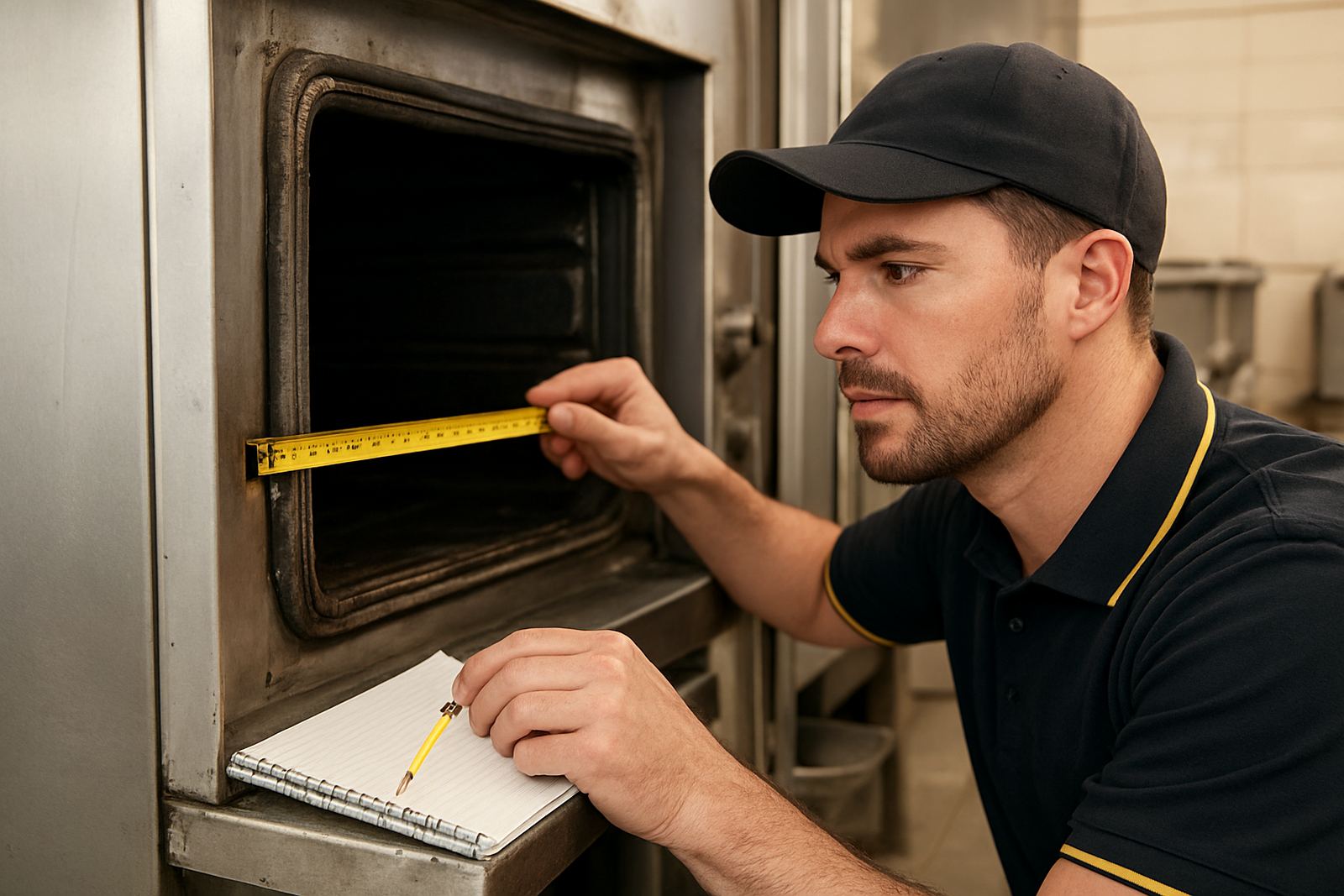
The best protection is regular checks and good operating habits. That means proper cleaning, timely descaling, dry start prevention and a wiring inspection whenever an element is replaced. It also helps to keep a spare on hand for high-use equipment, especially in areas where a failed part can stop service for a full day while dispatch moves stock from Midrand.
For busy kitchens in Johannesburg, Pretoria, Durban, Cape Town and Bloemfontein, the savings come from avoiding repeat failures. A correctly fitted element that is matched to the machine and tested after install will usually last far longer than a quick swap done in a rush. Our team can assist with part identification, compatibility checks, fitting and post-fit testing so the repair holds up once service starts again.
If you are unsure whether the element failed on its own or because of something else, check the machine as a system. That small bit of time can prevent another breakdown next week.
- Replace gaskets and seals that let water hit terminals or escape the tank
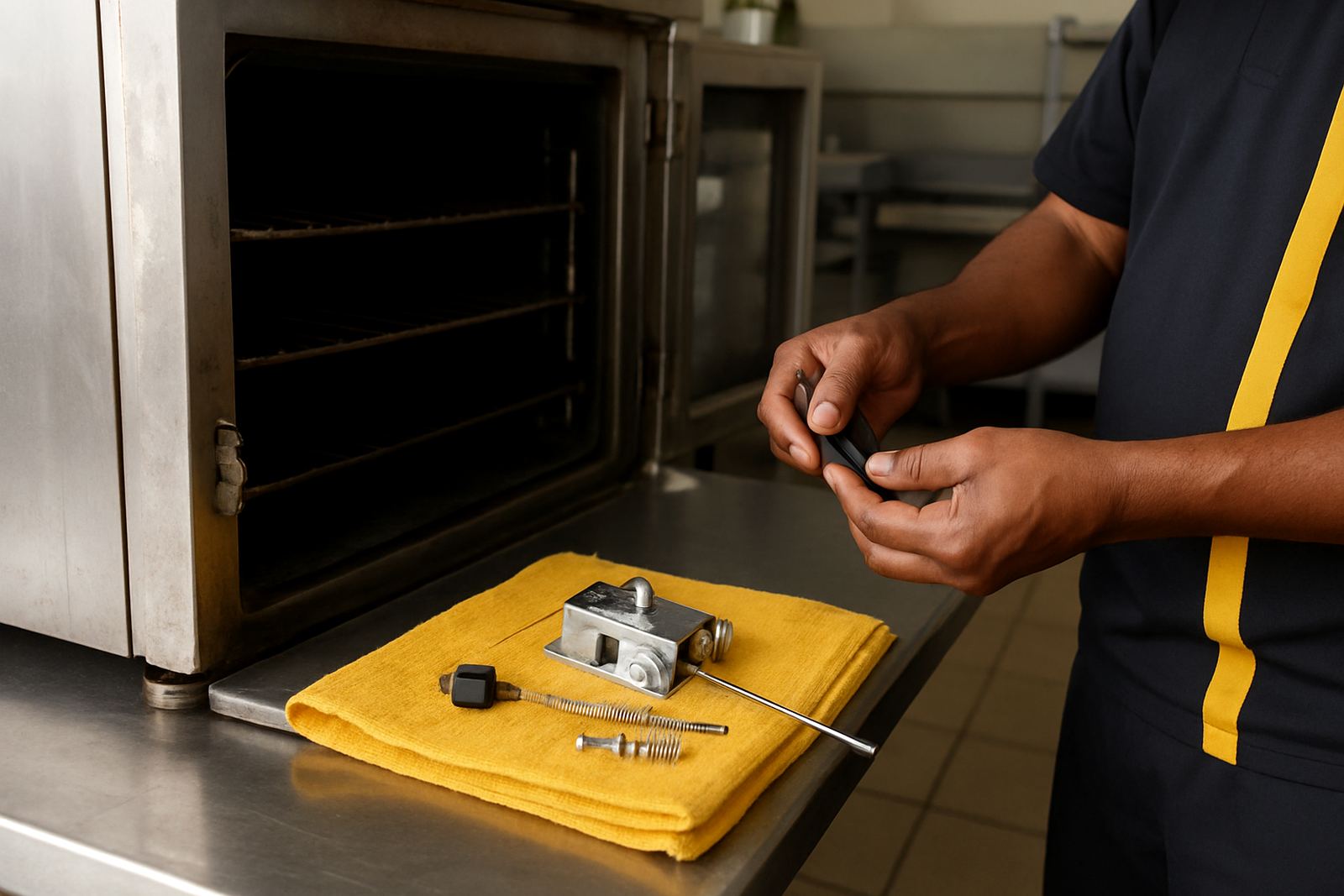
- Test thermostats, switches and sensors at the same time as the element
- Keep a log of failure dates so repeat faults are easier to trace
- Book onsite support if the same circuit keeps tripping or overheating