Hospital meal service needed steady cabinet temperatures
The brief came from a hospital kitchen in Benoni that was managing patient meal runs across several wards. The heated cabinets had to hold food safely at serving temperature, and the team needed replacement temperature control parts before the next scheduled delivery cycle. In a hospital setting there is little room for guesswork, because if a cabinet runs too cool or cycles unevenly the kitchen staff end up wasting time replating meals and checking trays twice.
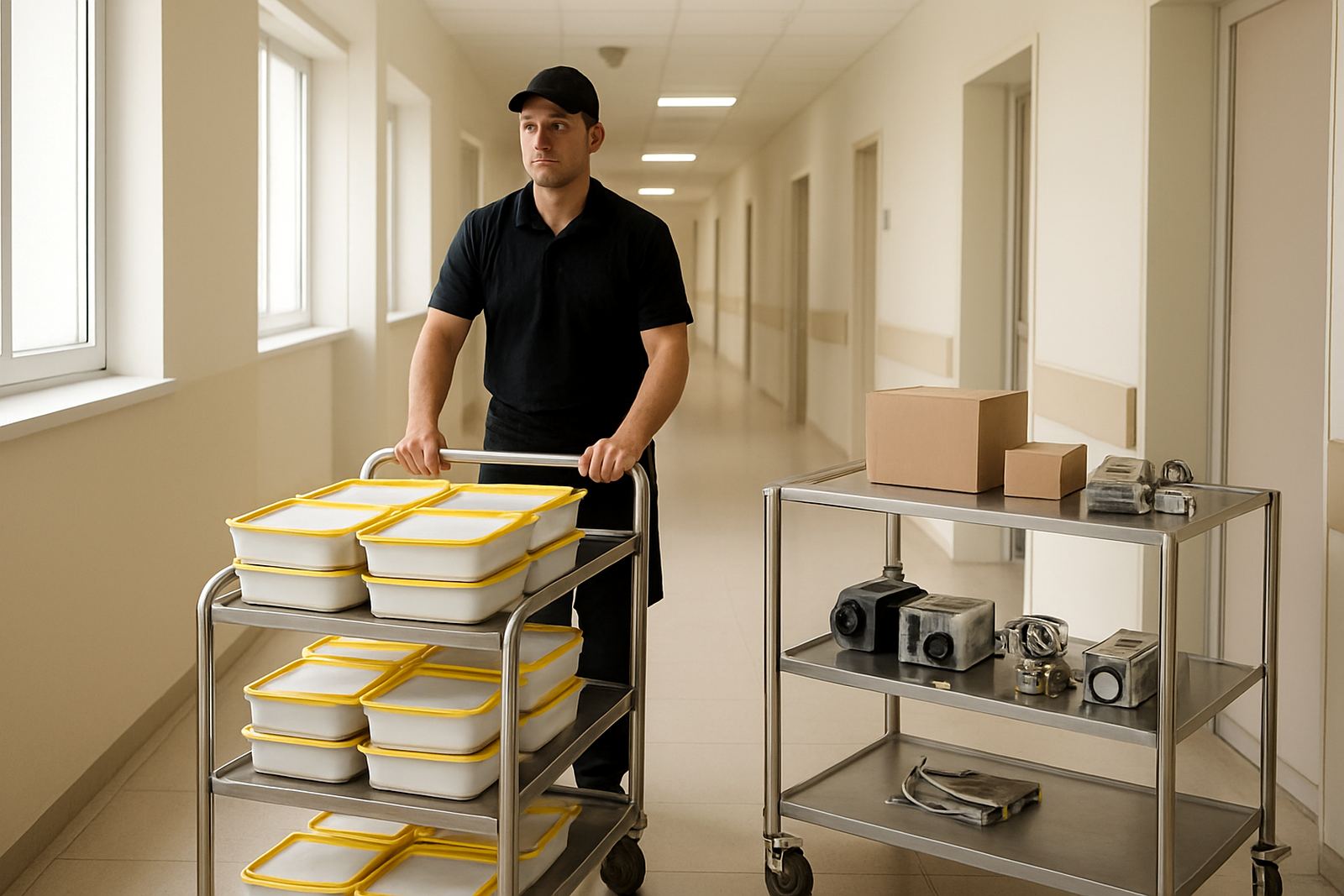
The equipment involved was a mix of insulated holding cabinets and transport units used for plated meals, soups and side portions. The main concern was temperature stability in a space that sees constant opening and closing through the day. The kitchen also had to work around load-shedding, so the parts needed to be suitable for frequent recovery cycles after power interruptions and regular switchback between mains and backup supply.
What the kitchen asked us to solve
The team asked us to identify the temperature control components, confirm compatibility with the existing cabinets, and supply parts that would restore even heat without overshooting. They also wanted practical guidance on fitting because the kitchen could not take the cabinets out of service for long. In a hospital food service environment, every hour matters and if a cabinet is down at lunch time the whole dispatch line feels it.
- Confirm the correct thermostat range and sensing style for the cabinet model in use
- Match heating elements to the cabinet voltage and load requirements
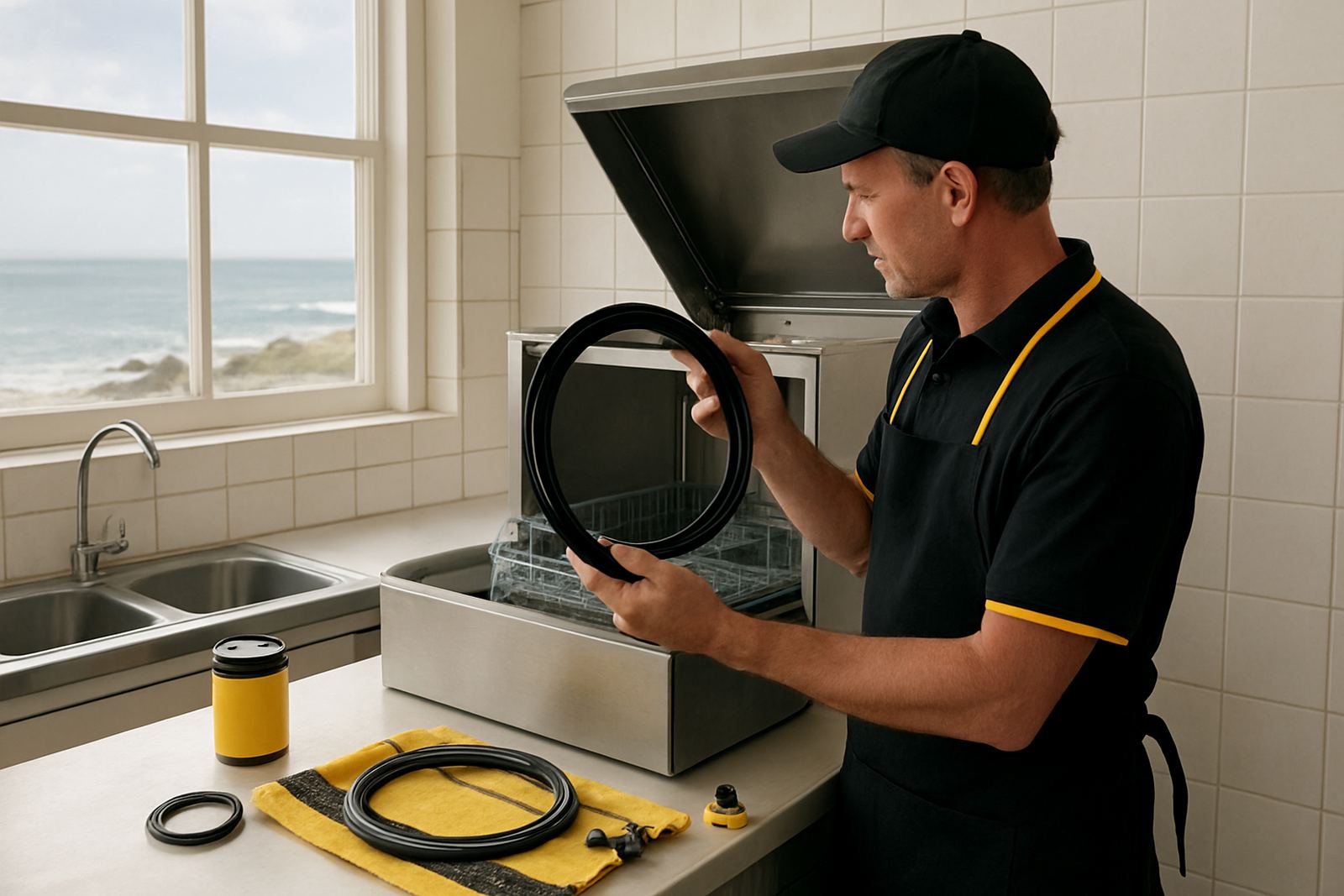
- Check door gaskets for heat loss and uneven recovery at the edges
- Verify switches and indicator controls for safe operation after fitting
We also had to factor in hygiene, cleaning routines, and the way hospital kitchens move trolleys around tight passages. The parts had to suit a setup that is cleaned often, used hard, and expected to stay reliable under pressure.
Parts supplied for temperature control and heat retention
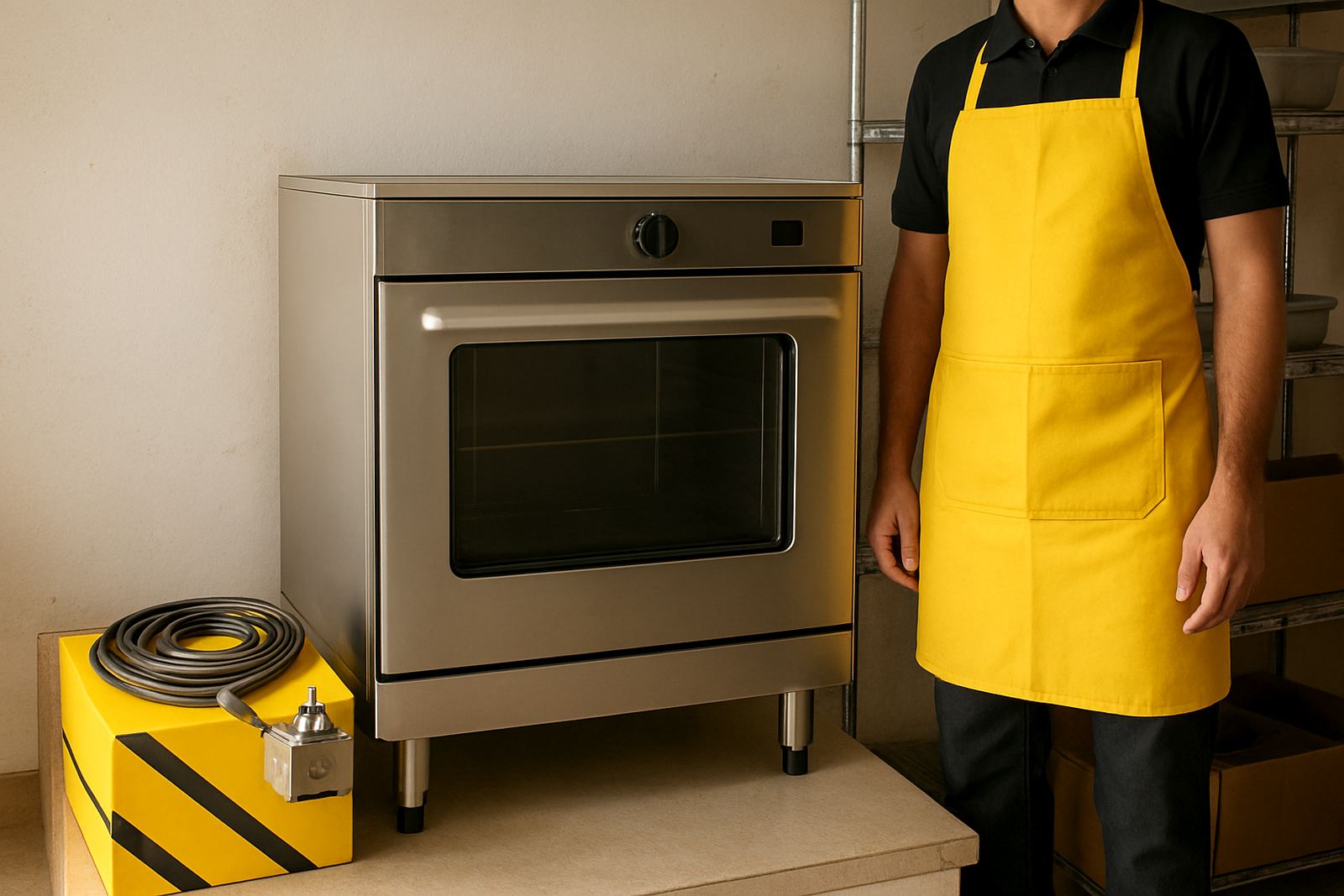
After checking the equipment details, we prepared a set of parts focused on heat control and cabinet sealing. The order included thermostats, heating elements, gaskets, and switch components suited to commercial kitchen holding equipment. We kept the specification practical rather than oversupplying, because the client needed the right parts quickly and not a box of items that might sit on a shelf.
The main items supplied were rated for commercial duty and selected to match the cabinet duty cycle. We made sure the elements could recover properly after door openings, while the gaskets were chosen to help reduce heat loss around the cabinet frame. Where a switch panel showed wear, we supplied replacement switches to help avoid intermittent faults that can lead to false temperature readings or sudden cut-outs.
- Thermostat matching for stable cabinet holding temperatures
- Elements selected for commercial load and repeated cycle use
- Door and frame gaskets for better heat retention
- Replacement switches for safe on and off control
- Advice on post-fit testing before the cabinet returned to service
How we handled the job from Midrand to Benoni
The work was planned over two weeks. In week one we identified the part types, cross checked compatibility, and prepared the dispatch list from our Midrand base. The kitchen team sent through photos, measurements, and basic equipment information, which helped narrow down the correct thermostat and element combinations. That step matters because many holding cabinets look alike but use different control setups.
In week two the parts were delivered and the kitchen carried out the fitting with support from our technical team. We stayed available for questions on wiring sequence, gasket placement, and control settings after installation. Where needed, we guided the team on checking continuity, confirming that the thermostat cycles correctly, and making sure the cabinet reaches the required holding temperature before food is loaded. A quick test run is worth it, especially in a hospital kitchen where the first service after a repair has to go smoothly.
The Benoni location also meant the team could work within local maintenance schedules and hospital access rules without unnecessary delay. That helped keep the repair organised and reduced the chance of disruption to meal prep, which is often running before most people have had their first coffee.
Results for patient meal distribution
Once the parts were fitted and tested, the cabinets returned to steadier temperature control and the holding times improved. The kitchen reported more even heat across the cabinet interior, better recovery after door openings, and fewer concerns about edge cooling on trays near the gasket line. For patient meal distribution, that kind of consistency is not a nice to have, it directly affects service quality and compliance with food holding practice.
Because the replacement parts were matched to the actual equipment rather than guessed, the hospital team avoided repeat stripping and rework. That saved time and reduced downtime on a line that cannot easily pause. It also meant the maintenance staff had a cleaner baseline for future checks, which helps when the next planned service comes up or when summer heat puts extra strain on the kitchen.
What we would do again on a similar hospital job
We would follow the same process again: identify first, confirm compatibility, then supply only the parts needed for the actual fault. That keeps the job focused and reduces the risk of fitting something close but not correct. On hospital kitchens, where equipment can be spread across wards and service points, careful identification saves a lot of back-and-forth.
We would also keep the same approach to post-fit testing. A quick check of thermostat operation, heat rise, gasket seal, and switch response gives the team confidence before the next meal run. If the site is in Gauteng and power stability is a concern, we would again factor in recovery after load-shedding and confirm the cabinet behaves properly after restart. That simple step can prevent a second callout the following day.
- Start with photos, measurements, and model details
- Match parts to real operating conditions, not just appearance
- Test temperature recovery after fitting and after power interruption
- Leave the kitchen with clear steps for daily checks
Key facts
| Project | Benoni Hospital Kitchen |
|---|---|
| Town | Benoni, Gauteng |
| Client type | Hospital kitchen |
| Scope | Temperature control parts for heated cabinets |
| Timeline | 2 weeks |
| Core parts | Thermostats, heating elements, gaskets, switches |