Planned parts support for a steakhouse maintenance window
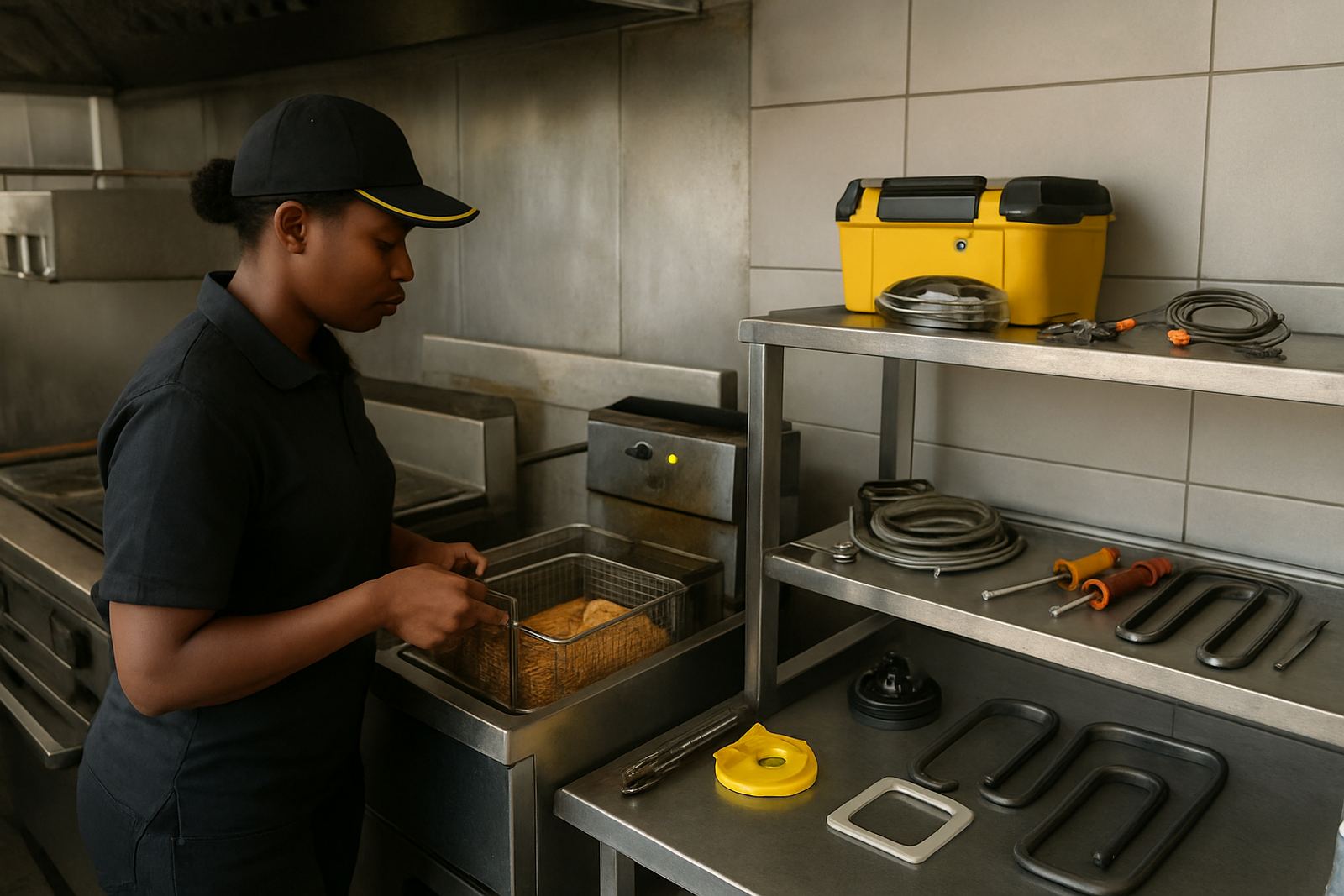
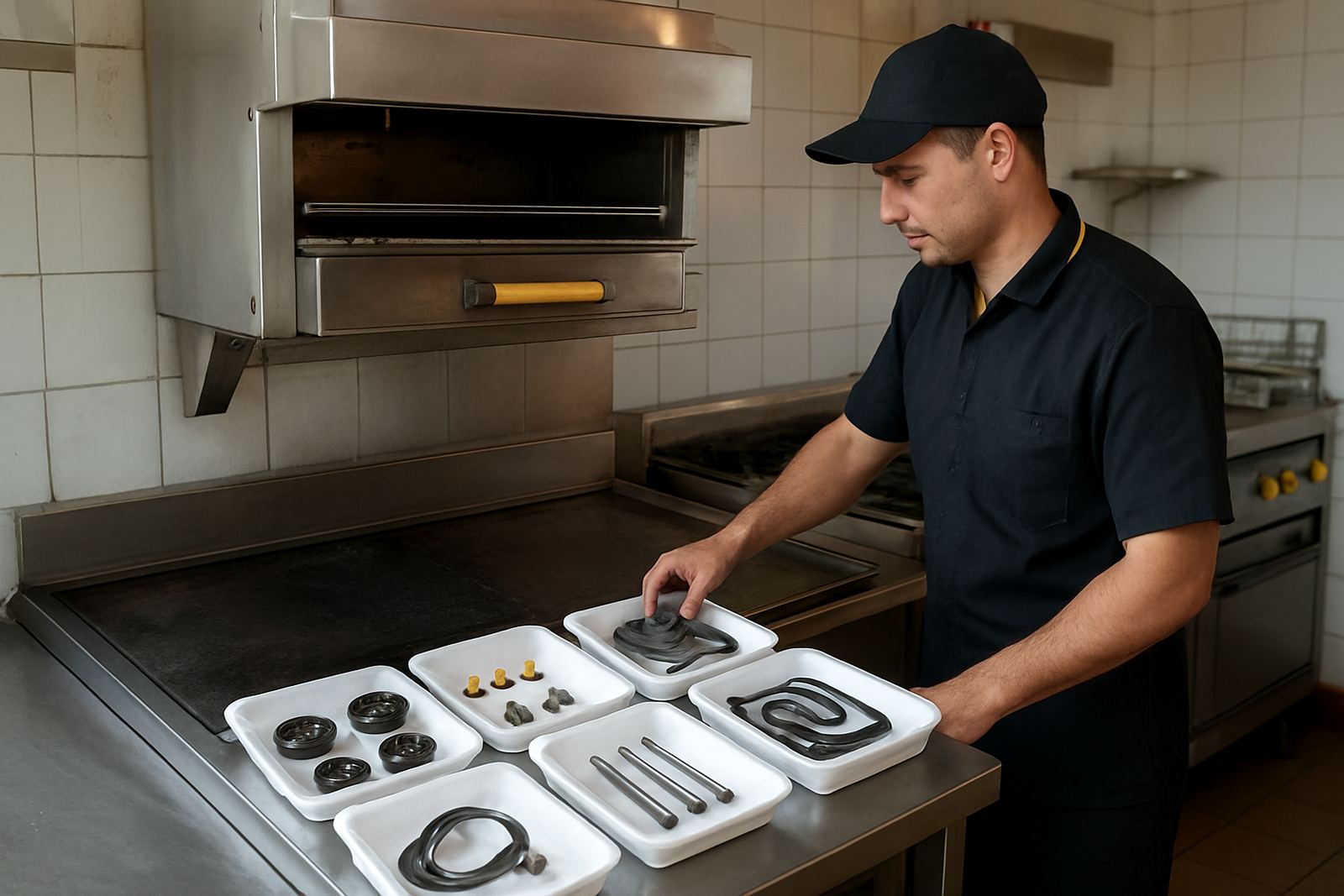
The client was a steakhouse operation in Bloemfontein running several grills, gas ranges and a salamander on one kitchen line. Their maintenance team wanted one clean parts order instead of chasing bits piecemeal, so the brief was to identify worn components, confirm compatibility, and prepare everything for a single service stoppage. That included gas burners, control switches, thermostats, pilot related parts, sealing gaskets and a few element items for adjacent holding equipment.
The restaurant had a fixed maintenance window of two weeks, and the job had to fit in between deliveries, stock counts and staff training. Bloemfontein winters also mean dry air and hard use on seals and ignition parts, so the team wanted parts that would last through repeat heat cycles without giving trouble after the first week back in service. We kept the order practical, with spare units included where the kitchen manager asked for back up stock.
What the kitchen needed, and what was holding it back
The original issue was not one single failure, but a pattern of wear across the line. One range burner was running unevenly, two thermostats were drifting off set point, and the salamander switch bank had intermittent contact on start up. The gaskets around the door edges were also hard and split at the corners, which meant heat loss and longer recovery times during peak trade. On a line like this, a small fault can slow the whole pass.
- Gas range burner heads and injector related parts for even flame spread
- High limit and regulating thermostats rated for commercial heat cycling
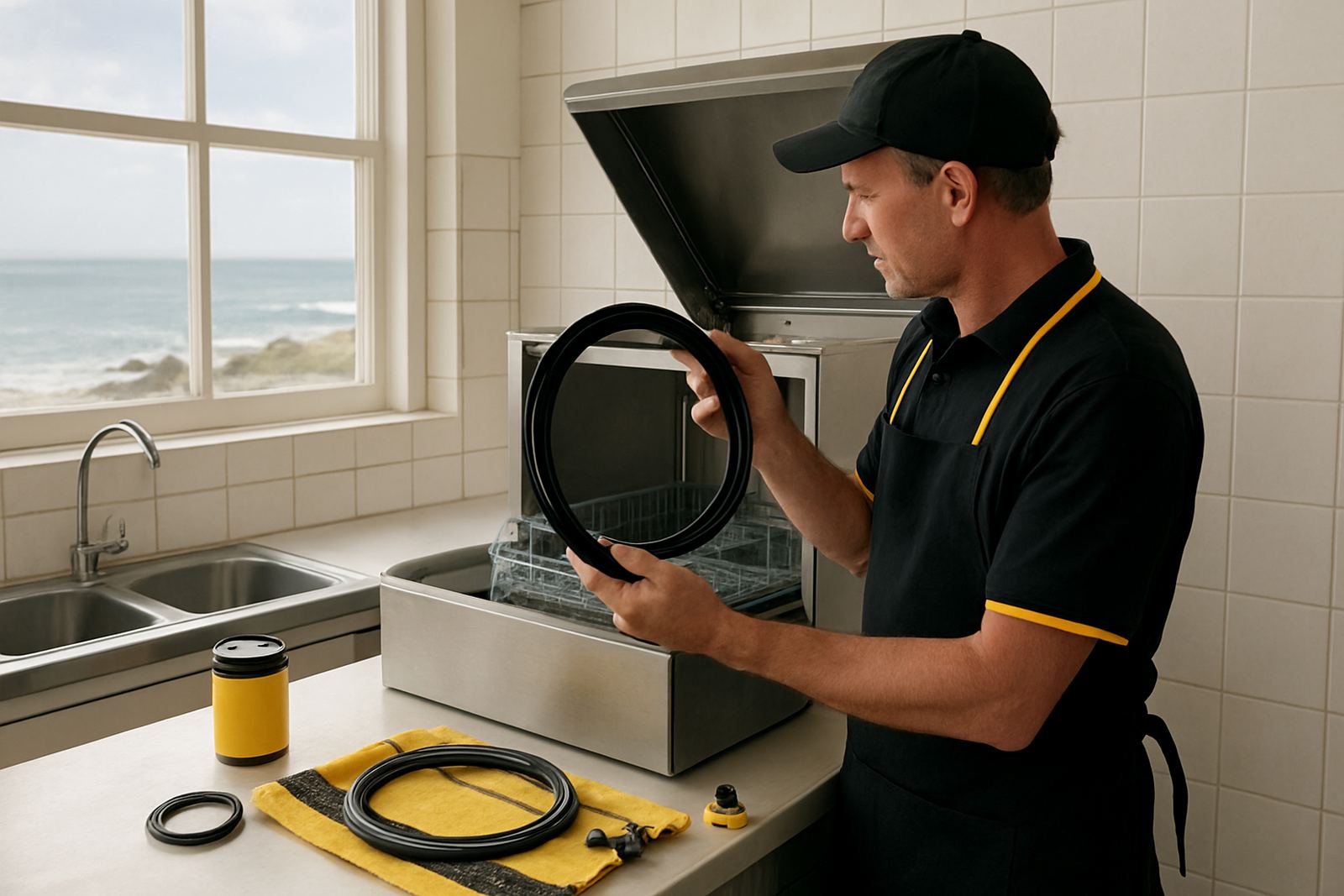
- Heat resistant door and chamber gaskets for the salamander section
- Switches and selector parts for repeated daily use
- Minor fittings, seals and fixings for tidy reinstall
Because the kitchen was serving steak, sides and sauces on a tight ticket time, the client wanted the equipment back to stable temperatures as quickly as possible. They also asked us to flag any part that might fail again under heavy use, so they could hold one or two replacements on site. That saves time when trading is busy and a callout can wait.
How we checked compatibility before anything left Midrand
Our team worked from serial details, photos, and measurements from the site manager in Bloemfontein. Where tags were missing, we matched by plate layout, burner size, shaft shape, terminal spacing and gasket profile. That step matters more than people think, because many commercial kitchen units look similar but use slightly different fittings. A wrong thermostat or switch can hold up the whole repair, and nobody wants that when a dining room is booked.
Sibusiso Dlamini handled the technical matching, while Megan Naidoo kept the client updated on stock and dispatch. Pieter van Wyk prepared the parcels so the heavier burner items stayed protected in transit, and Lerato Khumalo logged the fitting notes for the onsite handover. The order left Midrand in one shipment, which reduced the risk of missed items and kept the maintenance team from having to wait on a second delivery.
We also checked the parts against expected operating conditions for inland kitchens. Bloemfontein does not have the same coastal humidity problems as Durban, but heat stress, grease build up and repeated wash down still wear switches and seals quickly. So we supplied parts that suited commercial duty rather than light domestic use.
Dispatch, fitting and post-fit testing in the two week window
The job ran to a two week timeline. Week one was diagnosis, measurements and part matching. Week two was dispatch, delivery, fitting and post-fit testing. The onsite work was done during the planned maintenance slot, with the kitchen taken off line section by section so the restaurant could keep prep moving on the other stations.
- Day 1 to 3: confirm faults and capture dimensions
- Day 4 to 6: match parts and check stock availability
- Day 7: pack and dispatch from Midrand
- Day 8 to 10: delivery to Bloemfontein and staging on site
- Day 11 to 14: fitting, ignition checks, thermostat checks and final test run
We supplied fitting support for the thermostats, gaskets and switch items, then checked burner flame quality and heat response once everything was installed. The restaurant team also asked for post-fit testing on the salamander so they could be sure the top heat was even across the full width. That check picked up one loose terminal early, which was tightened before service resumed.
Results for service time, heat control and maintenance follow up
Once the line was back in use, the main gain was steadier heat and less waiting between orders. The burners lit cleaner, the salamander recovered faster after opening and closing, and the new seals helped reduce heat bleed. The kitchen manager said the pass felt more predictable on busy nights, which is what matters when a steakhouse is pushing high ticket counts and no one wants a delay at the grill.
The maintenance team also had better visibility on what to hold as spares. Instead of keeping random extras in the storeroom, they now have a short list matched to their actual equipment. That makes it easier to plan the next shutdown and avoid buying the wrong items. It also cuts down on emergency trips when a switch fails on a Friday night, which is never a good time.
We would handle this type of job the same way again: group the parts, verify every measurement, dispatch in one lot, and allow time for testing before the restaurant returns to full trade. For a multi unit steakhouse line, that order of work keeps the risk low and the repair practical.
What we would do again on a similar kitchen line
For the next steakhouse line in Bloemfontein or any inland town with the same pressure on service, we would repeat the same process and keep the scope tight. The useful part of the job was not only the supply of burners, thermostats and gaskets, but the way the whole order was grouped around one maintenance window. That saved time for the chef, the engineer and the front of house team.
If the kitchen had asked for a larger stock hold, we would suggest a small on site buffer of the most common wear items, especially the thermostat, ignition related parts and one gasket set per cooking section. That is usually enough to get through a busy quarter without overbuying. For restaurants in centres like Bloemfontein, where planned shutdowns are easier than emergency repairs, that kind of stock control makes good sense.
Key facts
| Project location | Bloemfontein |
|---|---|
| Client type | Steakhouse restaurant group |
| Equipment line | Gas range and salamander |
| Timeline | 2 weeks |
| Supply scope | Burners, thermostats, gaskets, switches and minor fittings |
| Service support | Part identification, compatibility checks, fitting and post-fit testing |