Start with the safest quick checks before opening the unit
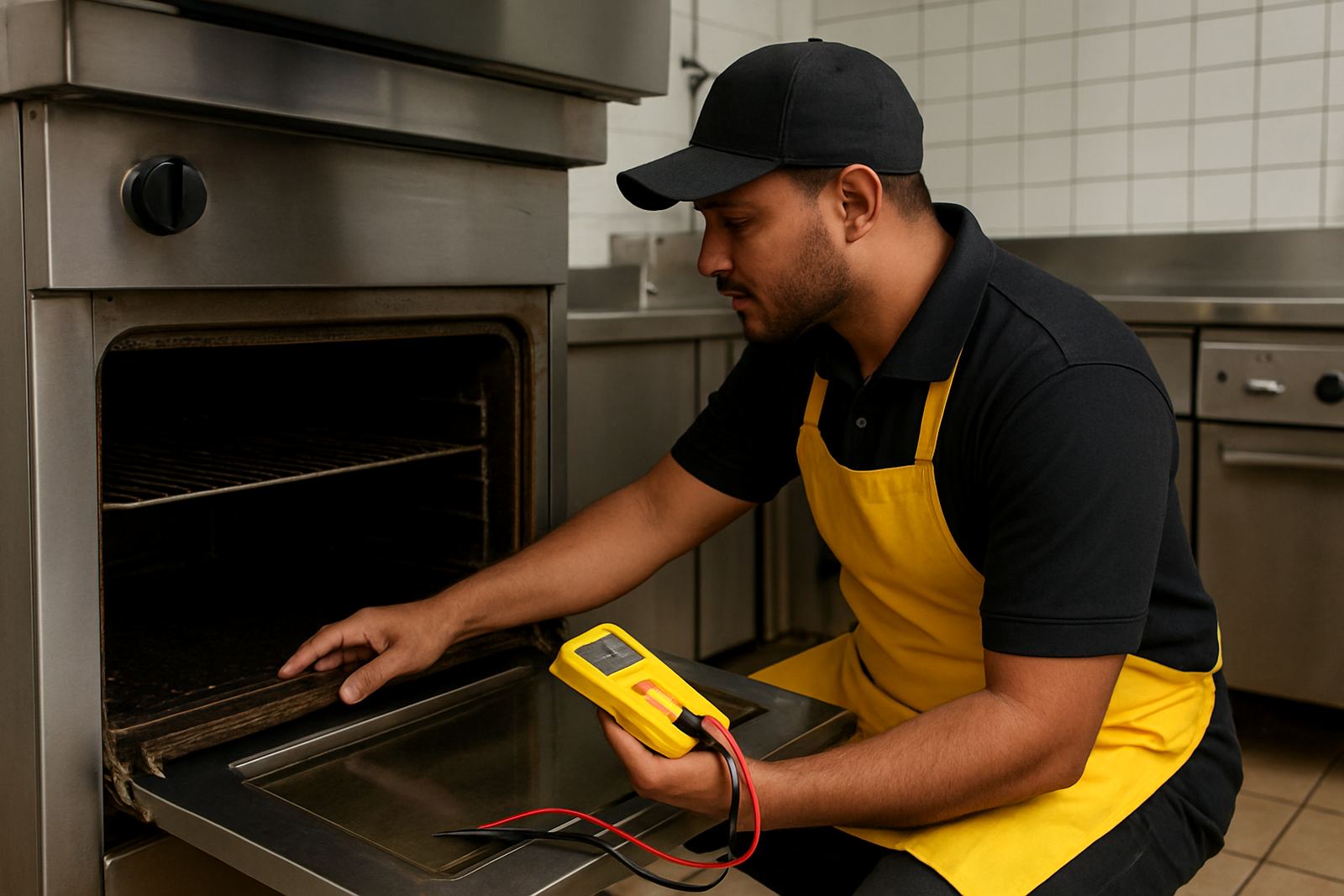
Before you touch any panel, isolate the appliance if the maker’s instructions call for it and let hot parts cool. A burner that will not ignite can be as simple as a closed isolation valve, low gas pressure, a tripped safety device or a dirty burner head, so begin with the basics and save time.
On commercial kitchens in Gauteng, Durban and the Cape we often find the fault is not one single part but a mix of wear and poor cleaning. Grease build up, water ingress and loose terminals can stop ignition even when the burner itself still looks fine.
- Check that the gas cock is open and the supply has not been interrupted.
- Confirm the appliance has power if it uses electric ignition.
- Look for any lockout light, fault code or repeated clicking sound.
- Smell for gas only from a safe distance, never test with a flame.
Gas flow problems can stop ignition even when sparks are present
If you can hear sparking but the burner stays dead, the gas may not be reaching the burner at the right pressure. A blocked injector, kinked hose, failing regulator or a faulty solenoid valve can all give the same symptom. On older ovens and fryers this often shows up after a slow decline, not a sudden failure.
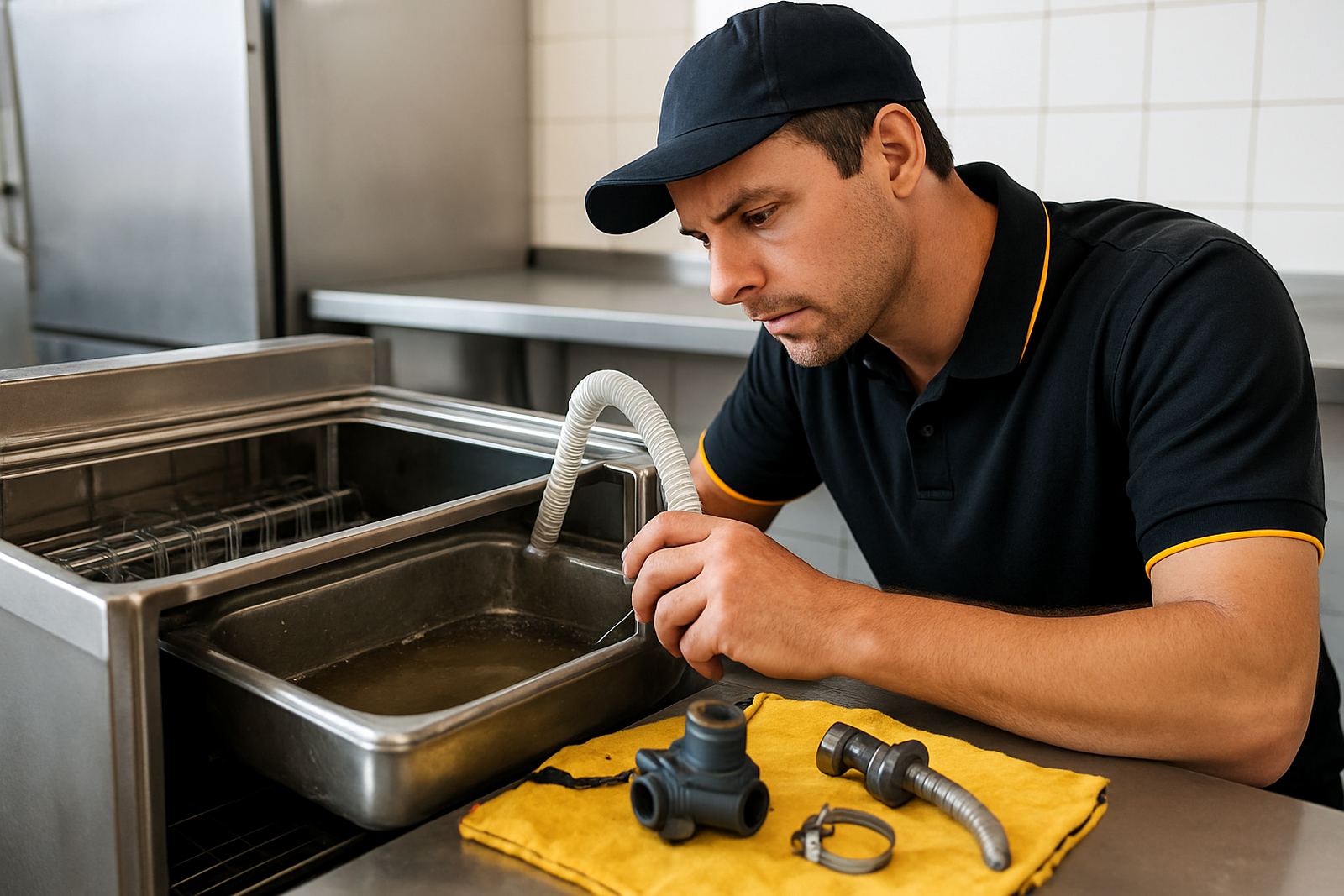
Check that the gas line is the correct type for the appliance and that any regulator is sized for the load. In coastal areas like Durban and Cape Town, corrosion at fittings and moisture inside the cabinet can also affect valves and connectors, especially if the unit sits close to a wash area.
- Inspect visible pipework for damage, corrosion or oil residue.
- Listen for a valve opening when the ignition cycle starts.
- Clean burner ports and injectors only with proper care, do not enlarge holes.
- If several burners fail at once, suspect supply pressure or a common safety device.
Spark ignition faults on ovens and fryers
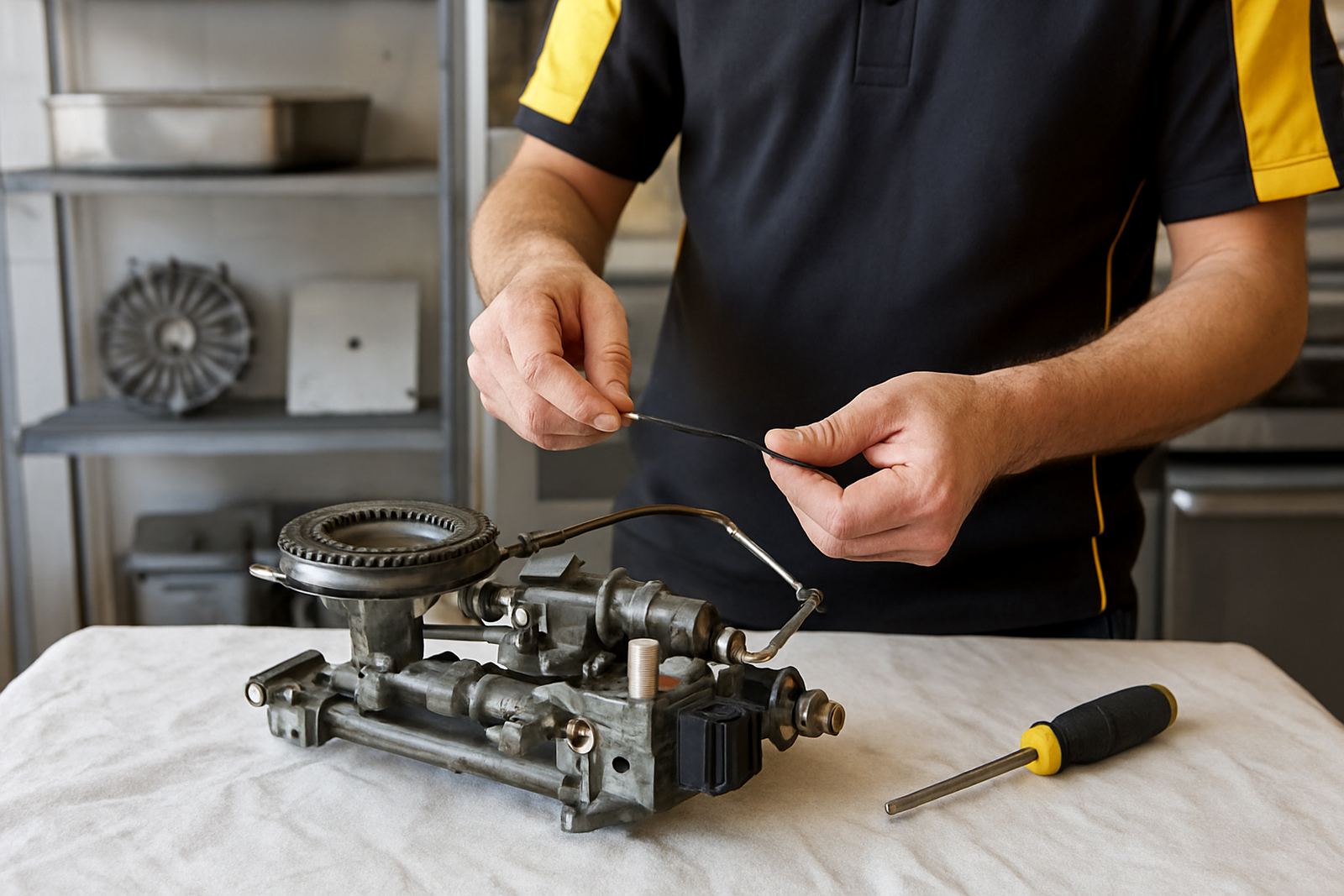
Where the appliance uses spark ignition, weak or misplaced sparks are common causes of failure. The electrode may be dirty, cracked or sitting too far from the burner head. A tired spark module, damaged lead or poor earth can also leave the burner silent.
Look closely for soot, hairline cracks and loose mounting screws. If the spark can be seen but does not land where the gas releases, the gas and spark never meet. That means no light, only clicking. A quick clean can help, but if the ceramic is damaged or the lead has perished, replace the part rather than trying to nurse it along.
- Make sure the electrode tip is clean and correctly spaced.
- Check the lead for burns, cuts or brittle sections.
- Confirm the earth connection is tight and clean.
- Replace cracked ceramics, they rarely recover once damaged.
Pilot burners and flame sensing parts that cause repeat lockouts
Some units rely on a pilot flame or a flame sensing rod to keep the gas valve open. If the pilot is weak, yellow or keeps blowing out, the main burner may refuse to start. Flame sensing faults can be subtle because the unit may ignite for a moment then shut down again.
In practice, a dirty pilot jet, misaligned thermocouple or worn flame sensor often turns into a call-out that looks bigger than it is. The main clue is repeat behaviour: tries to ignite, starts for a second, then stops. That points you toward the sensing side rather than the gas side.
- Check that the pilot flame is steady and blue.
- Inspect thermocouple or flame sensor positioning.
- Look for soot marks, loose brackets or damp terminals.
- Do not bend sensing parts aggressively, they can fail after rough handling.
When the burner lights but will not stay on
Sometimes the burner ignites, then drops out as soon as the control knob is released. That usually points to the safety circuit, not the burner head. Thermostats, flame sensors, pressure switches and gas valves can all interrupt the cycle when they see a fault.
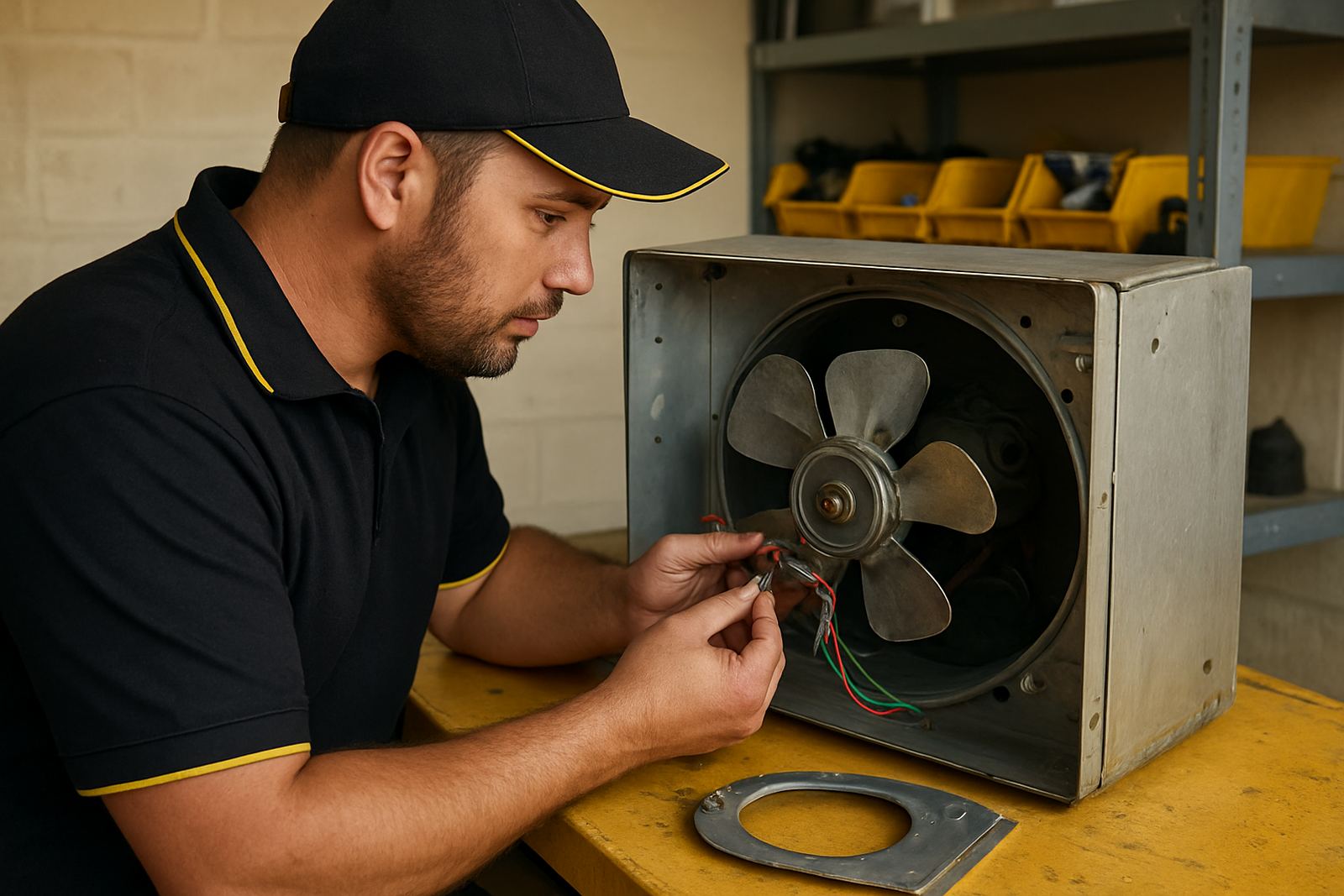
If the appliance is fitted with multiple safety devices, one weak part can interrupt the whole sequence. This is common on dishwashers and combi units too, where heating and ignition logic are tied into the same control path. Check wiring, spade terminals and any signs of heat damage around the switch panel.
- Watch the full start-up sequence and note where it stops.
- Test for loose terminals or burnt connectors.
- Confirm the thermostat is calling for heat.
- Record any fault code before cycling power.
Parts that are most often replaced during ignition repairs
For a practical repair, the most common replacement items are electrodes, spark leads, gas valves, pilot assemblies, thermocouples, injectors, burner caps and control switches. On busy sites in Johannesburg and Pretoria, keeping one or two key parts on hand can prevent a full service delay during lunch prep or supper rush.
If you are unsure, match the part to the appliance model, power source and gas type before ordering. A gasket or seal may also be needed if the burner chamber has to be opened for access. Wrong parts waste time and can leave the unit in pieces while service continues around it.
- Model number and serial number ready.
- Gas type confirmed, natural gas or LPG.
- Photo of the fault part from two angles.
- Any measurements from the old component.
When to call for parts help or onsite fitting
If you have checked supply, spark and sensing but the burner still will not ignite, the fault may need proper part identification and fitting. Our Midrand team supports commercial kitchens nationwide, with coverage in Johannesburg, Pretoria, Durban, Cape Town and Bloemfontein. We handle part identification, compatibility checks, fitting and post-fit testing.
For fast support, send clear photos, the appliance model and the fault symptoms to parts@foodservparts.co.za. That helps us match the right burner part, save a second visit and get the kitchen back into service sooner, especially when load-shedding or peak trading hours are already putting pressure on the line.