Start with the safest power check
Before opening any panel, switch the appliance off at the isolator and unplug where possible. On site, many fan faults turn out to be simple power interruptions after load-shedding, a loose plug top, or a tripped breaker in the kitchen board. If the unit has a control display but the fan is still dead, note whether any other functions are working first.
Look for burnt marks, a hot smell, or a breaker that trips as soon as the fan should start. That usually points to an electrical fault rather than a blade problem. If you are working in a coastal kitchen, check for salt damp around terminals and connectors, as corrosion can stop a fan from starting cleanly.
Check whether the fan blades are physically seized
Once the unit is isolated, try turning the fan blade by hand if the design allows access. It should move smoothly with a little resistance. If it feels stiff, scrapes, or will not move at all, the issue may be seized bearings, food residue, grease build-up, or a bent blade catching on the housing.
- Remove loose grease and debris around the fan area
- Check for warped guards or bent brackets touching the blade
- Listen for scraping before the fan stopped, this can point to bearing wear
- Inspect for signs of heat discolouration on the motor body
If the blades are jammed, do not force them. Forcing a seized assembly can damage the motor shaft and turn a small repair into a full replacement job.
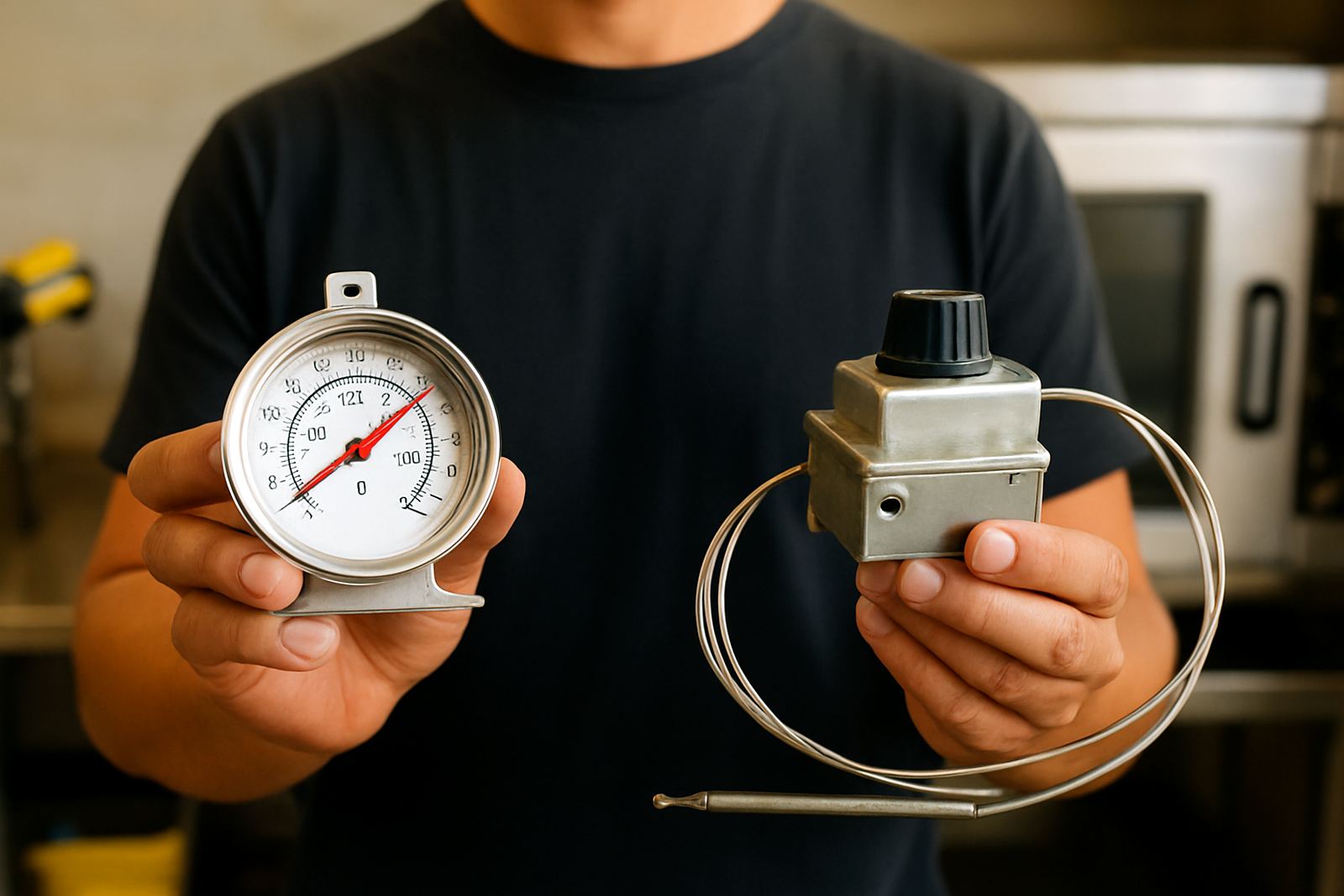
Test the switch, thermostat and control signal
On many ovens and dishwashers, the fan only runs when a thermostat, timer, or control board tells it to. If the fan stops only on certain cycles, the control side may be the cause. A failed switch, broken selector, or loose wiring to the control panel can prevent the fan from getting power.
Check whether the machine heats, washes, or runs programmes normally. If everything else works but the fan does not, the fault may be isolated to the fan circuit. In some cases the thermostat is reading incorrectly and never calls for fan operation. That is common after a power surge or where moisture has entered the panel.
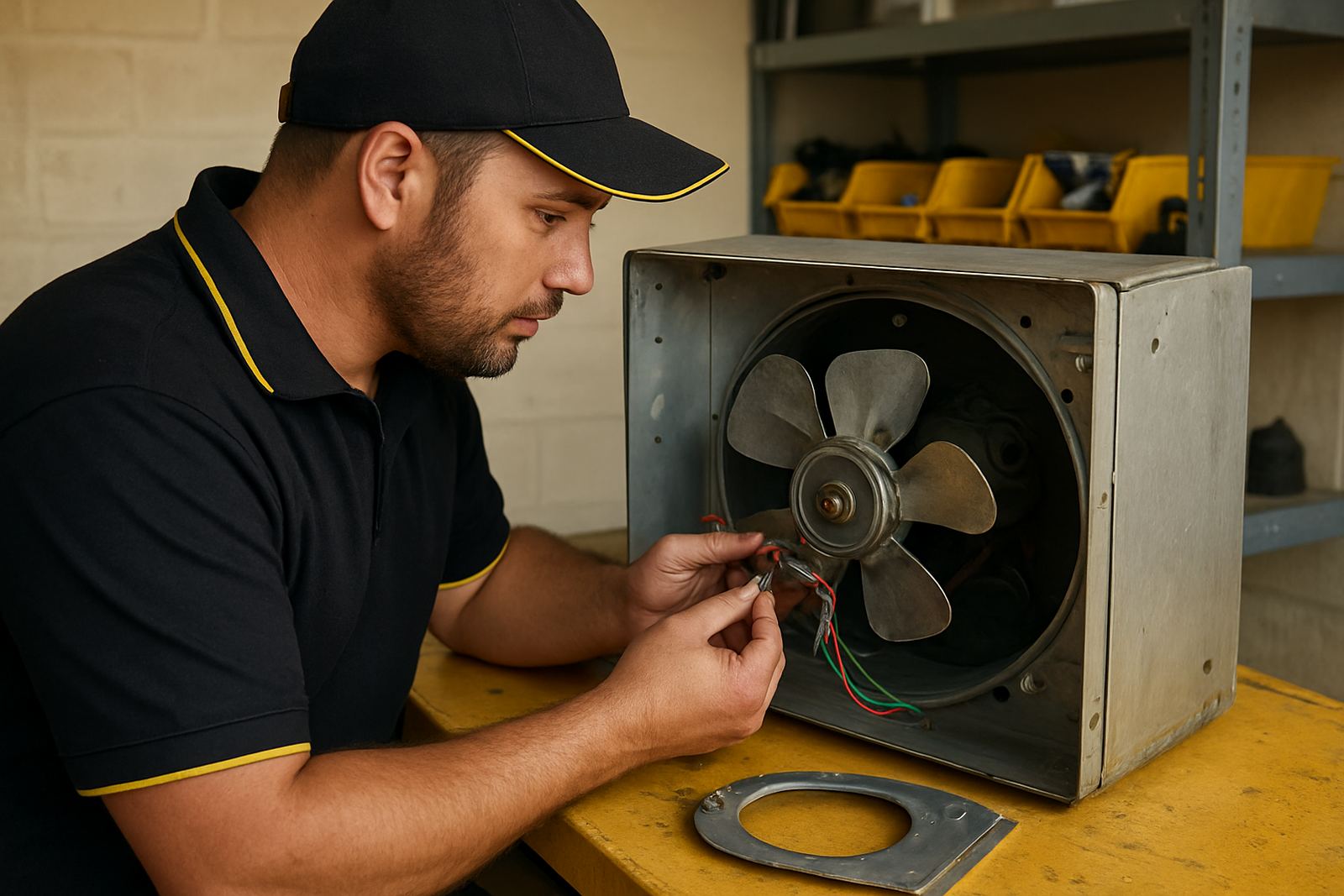
Inspect the motor and capacitor for common failure signs
A dead fan motor is one of the more common causes when the blades are free but there is still no movement. Motors can fail from age, heat, grease ingress, or water damage during cleaning. Some units also rely on a start capacitor, and if that part weakens the fan may hum but not spin.
- Listen for humming without rotation
- Check for a motor that is too hot to touch after a short run
- Inspect wiring for loose spades or blackened terminals
- Look for capacitor swelling or leaking, if fitted
If the motor hums and then cuts out, the overload protection may be opening to protect it. That is a sign to stop testing and have the motor checked properly.
Use a simple fault checklist before ordering parts
Correct part identification saves time and reduces returns, especially with imported kitchen equipment where the same model can use different motors, switches, or fan wheels. Take a clear photo of the rating plate, wiring layout and the failed part. If the appliance is in a busy restaurant in Johannesburg, Pretoria or Durban, that record helps us match the replacement faster and get you back into service with less downtime.
- Model number and serial number from the rating plate
- Voltage rating, usually 220V to 240V for local sites
- Blade diameter and shaft size where visible
- Connector type, plug, spade or screw terminal
- Any signs of water, grease, or burnt wiring
Do not guess on electrical parts. A fan motor that is close but not exact can run hot or fail early, and that becomes costly on a commercial shift.
When to book fitting help instead of pushing on
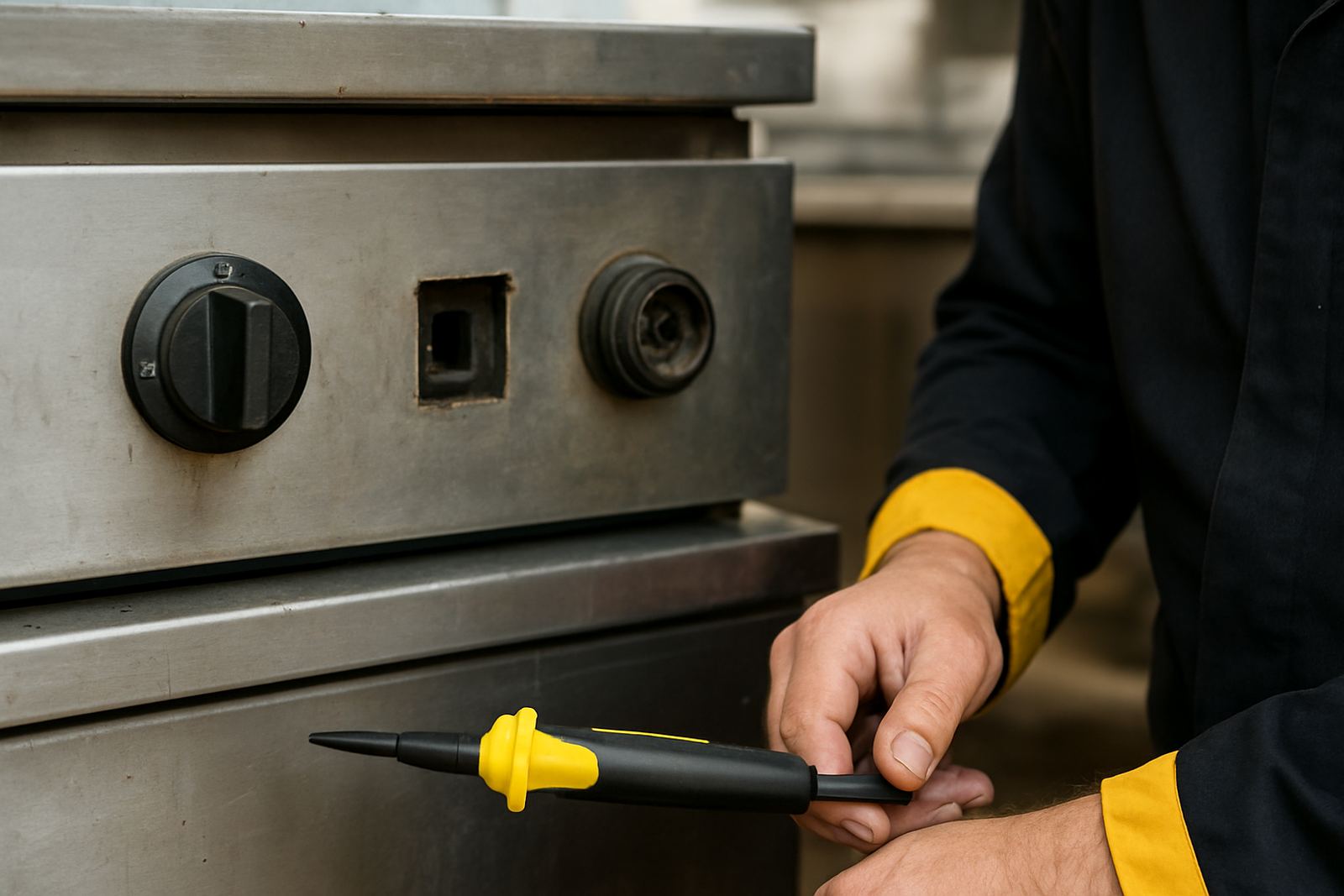
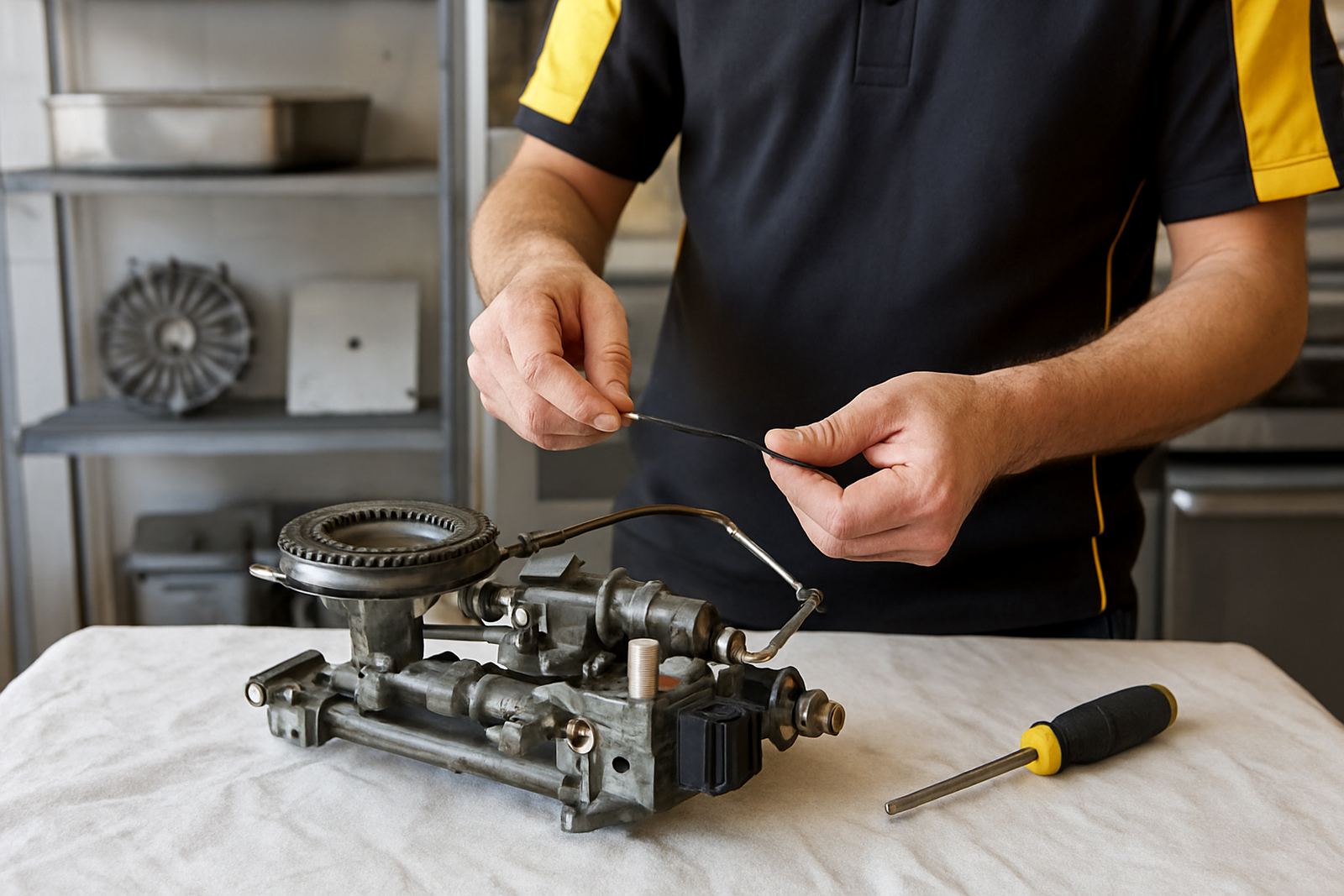
If the fan housing must be removed, or the wiring runs through a cramped panel, fitting is best left to a technician who knows the appliance layout. This is especially important on ovens and dishwashers where the fan links into heat controls, door switches, or wash cycles. A wrong reconnection can create a safety issue or stop the machine from heating properly.
We assist with part identification, compatibility checks, element fitting, thermostat fitting, gasket fitting, burner fitting, switch panel repairs, dishwasher part fitting, onsite parts support, and post-fit testing. Our dispatch runs from Midrand and we cover Johannesburg, Pretoria, Durban, Cape Town and Bloemfontein. If you need help with a fan fault, send the model details to parts@foodservparts.co.za and we can help identify the correct part first.