What a drain valve assembly does in daily kitchen use
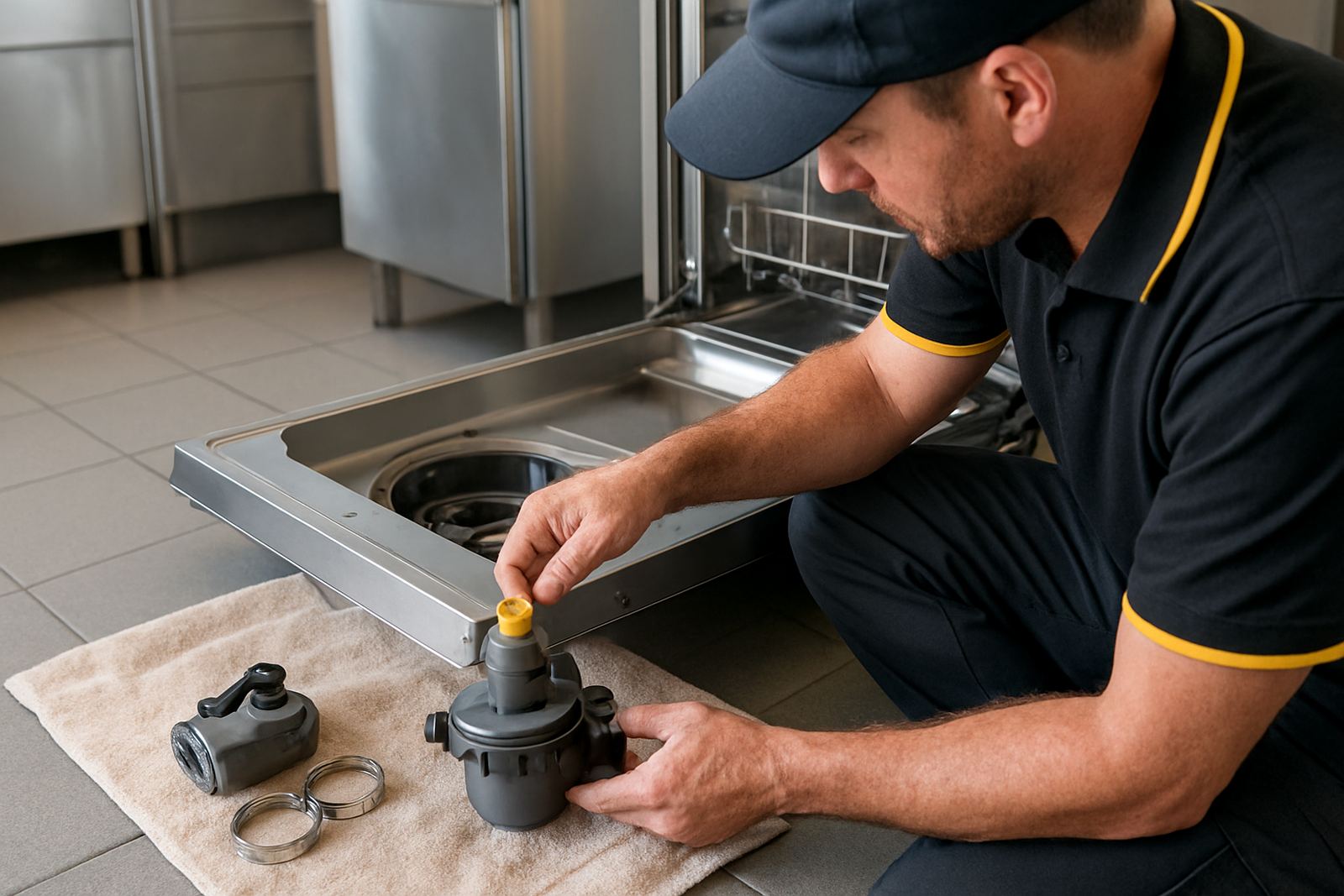
A drain valve is the part that opens and closes the discharge path for water in a commercial machine. In dishwashers it controls when the tank empties, while in some wet equipment it helps manage wash water or rinse water that must be removed at the right point in the cycle. The assembly may include the valve body, seal, lever or actuator, spring and connection points for the hose or pipe work.
In busy kitchens around Johannesburg, Pretoria, Durban and Cape Town, a small valve fault can stop service fast. If the valve does not open fully, dirty water stays behind and the next wash is compromised. If it does not close, you can lose water during the cycle and put strain on pumps and heaters. We stock drain valve assemblies for practical replacement work, with options that suit many common commercial units.
Sizes, styles and connection options to match the machine
Drain valves are not one size fits all. The right assembly depends on the equipment type, the hose or pipe size, the way the valve is actuated and how the machine is mounted. Some units use a manual lever, others use a solenoid or motor-driven actuator, and some rely on a simple gravity outlet with a seal and flap arrangement.
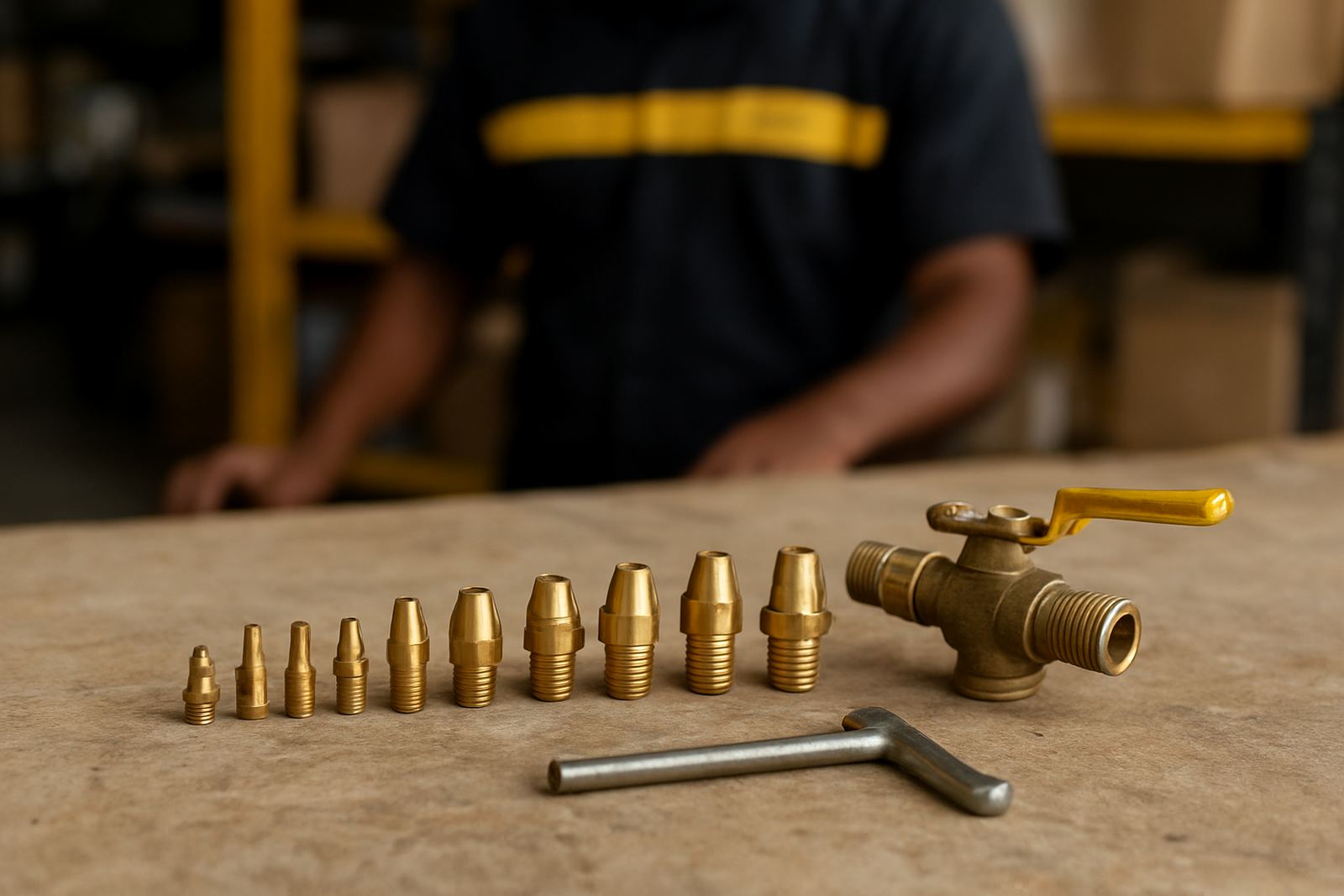
- Small, medium and large body sizes for different machine layouts
- Hose tails and threaded connections for common commercial fitments
- Manual, solenoid and mechanically actuated valve styles
- High-temperature seals for hot wash and rinse environments
- Plastic and metal-bodied options depending on duty and water quality
For coastal sites in Durban or Cape Town, corrosion resistance matters more because moisture and salt air can shorten the life of cheap fittings. In inland kitchens, scale and hard water often show up first at the seal and moving parts, so matching the full assembly is better than trying to patch only one piece.
Where drain valves are used most often
These assemblies suit commercial dishwashers, glasswashers, pot washers and other wet equipment that needs reliable emptying. They are also found on some bain-marie drain systems, holding tanks and wash-down equipment where water must leave the machine cleanly. If the machine sits in a hotel, school kitchen, canteen, butcherie or catering prep area, the valve needs to cope with frequent use and strong detergents.
We often see drain valve issues after a wash cycle no longer finishes properly, or when the operator notices a slow drain and repeated restart. In some cases the machine will fill and wash, but water remains in the base because the valve is sticking or the seal is worn. A proper replacement restores flow and helps protect pumps, float switches and heater elements from unnecessary stress.
- Commercial dishwashers and glasswashers
- Pot washers and utility wash units
- Wet holding tanks and drain-through equipment
- Back-of-house kitchens with high daily throughput
- Sites with hard water, heavy grease or frequent temperature changes
Installation points, power needs and what to check before fitment
Most drain valves are not fitted in isolation, they work with the machine’s control system, plumbing and sometimes an electrical actuator. Before ordering, check whether the unit uses a live electrical coil, a motor drive or a manual release. Also confirm the voltage, usually 220 V to 240 V on many local commercial machines, and make sure the actuator matches the machine control logic. If the wrong unit is fitted, the valve may open at the wrong time or not close tight enough.
For installation, the water supply should be isolated and the tank drained before any work starts. Check hose clamps, seals, pipe alignment and the condition of the outlet seat. A new valve can still leak if the mating surface is damaged or the hose is twisted under pressure. In some kitchens, access is tight and the machine has to be slid out from under counters, so allow time for proper refit and testing rather than rushing it.
- Confirm voltage and control type before ordering
- Measure hose tail size, thread size or outlet diameter
- Check whether the valve is manual, solenoid or motor driven
- Inspect the seal seat and surrounding pipe work for wear
- Plan for isolation, drain down and post-fit leak testing
Care, cleaning and signs the valve is wearing out
Drain valves last longer when the machine is cleaned properly and detergent build-up is kept under control. Rinse cycles should be allowed to finish, and food scraps, bone fragments, labels and heavy grease should never be left to sit in the sump. If scale builds up, the valve may not seat properly and the machine can drip or hold water overnight.
Watch for slow draining, repeated fault codes, unusual pump noise, water left behind after a cycle or a valve that feels stiff. A burnt smell around an actuator or a clicking sound without proper movement can point to electrical or mechanical wear. At that stage, cleaning may help for a short while, but if the seat or seal is worn, replacement is the better option. In many kitchens this is one of those parts that gets ignored until service stops, then everyone notices it at once.
What to send us when you order a drain valve
To get the correct part first time, send us clear details from the machine plate and the old valve if it is still on site. The brand and model of the equipment, voltage, connection type and any part number on the old assembly all help. If you can, send a photo of the inlet, outlet and fixing points, because two valves can look alike but fit very differently. A quick photo often saves a lot of back and forth.
We support trade customers from our Midrand base and dispatch nationally. If you are in Johannesburg, Pretoria, Durban, Cape Town or Bloemfontein, we can help with part identification and compatibility checks before you place the order. We also assist with post-fit testing through our fitting support team when the machine needs to be back in service quickly.
- Machine make and model
- Voltage and actuator type
- Hose or thread size
- Photo of the old part and mounting points
- Any visible part number or marking
Key facts
| Product type | Drain valve assemblies |
|---|---|
| Use | Dishwashers and wet equipment requiring controlled emptying |
| Connection styles | Hose tail, threaded and fitted outlet options |
| Actuation | Manual, solenoid or mechanical depending on machine |
| Typical electrical supply | 220 V to 240 V on many commercial units |
| Support area | National online dispatch from Midrand |