What a selector switch does in daily kitchen use
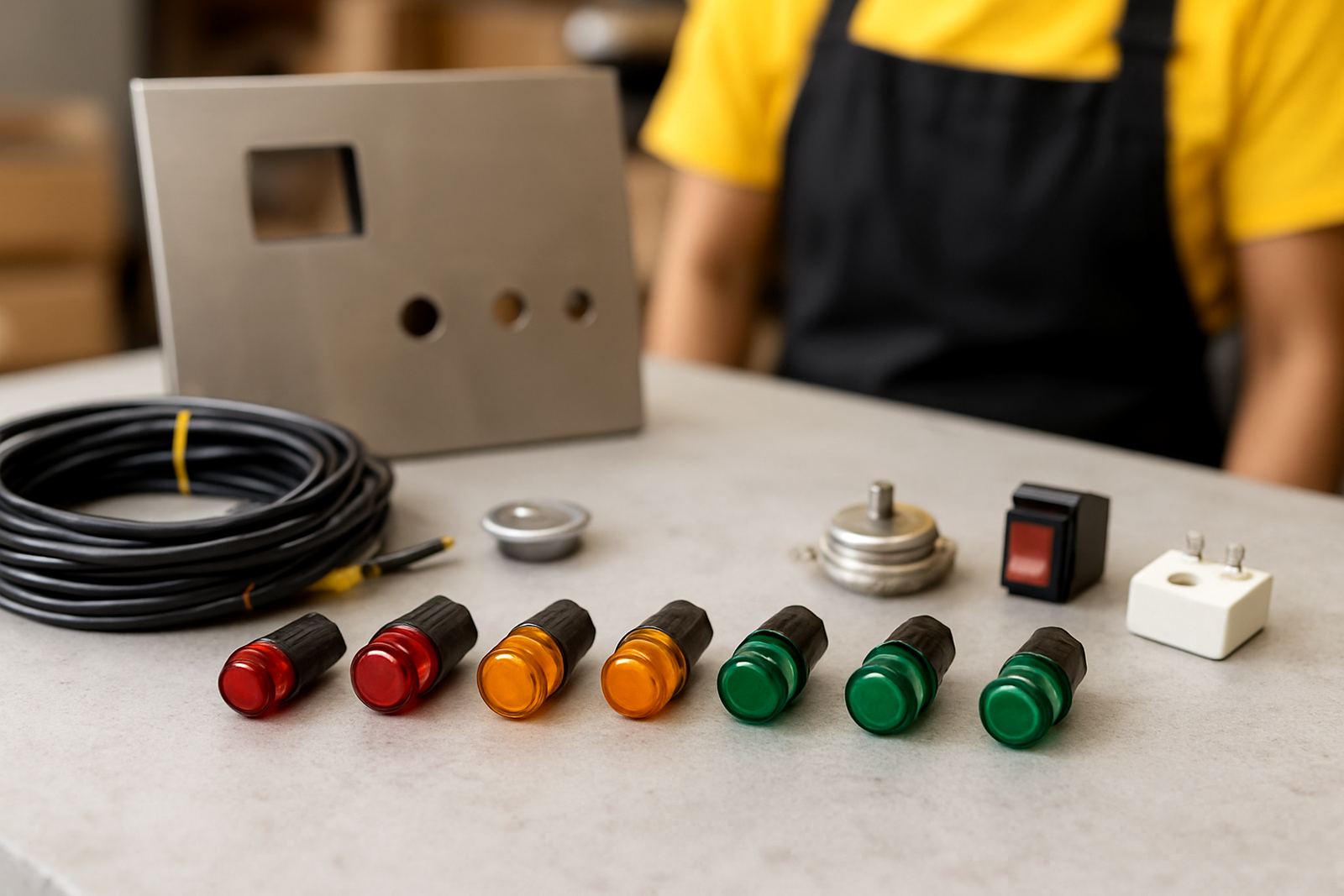
A selector switch is the control that lets the operator choose heat levels, element groups or cooking modes on commercial equipment. On ovens and grills it may control top heat, bottom heat, fan assisted settings, grill positions or a stepped heat range. On some panels it also works with pilot lights and indicator lamps, so the user can see which function is active before the unit is loaded.
In busy kitchens, the switch gets used many times a day and the contacts take a beating. Heat, steam, cleaning chemicals and vibration all shorten its life. If a knob feels stiff, the markings have faded, or the setting does not match the actual heat output, it is time to inspect the switch before it takes out the wiring or trips the appliance.
A failing switch can look like a thermostat fault or a burned element, but the root cause is often inside the selector body. We see that often in takeaway shops, hotel kitchens and school canteens where equipment runs long hours and gets cleaned late at night when nobody has time to check every terminal.
Common selector switch styles and rating details
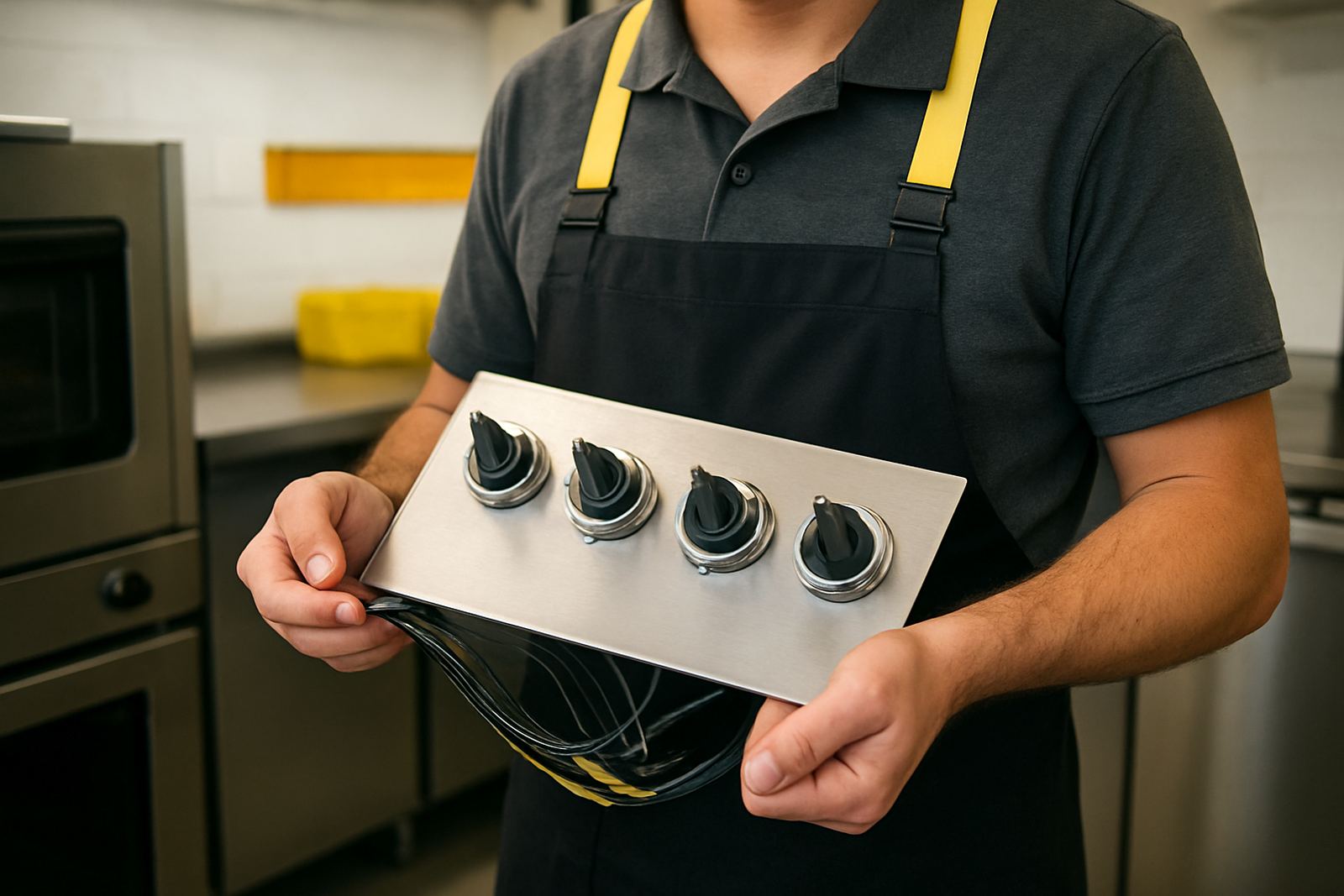
Selector switches come in different shaft lengths, mounting styles and contact arrangements. The correct part must match the number of positions, the electrical rating and the terminal layout, not only the knob shape. A small difference in the back connection can stop the unit from working or leave a terminal live when it should be off.
- Rotary switches for stepped heat control
- Multi position switches for ovens and grills
- Heat selector switches for upper and lower elements
- Mode switches for fan assisted cooking panels
- Heavy duty panel switches for commercial use
Typical ratings vary by machine, but commercial selector switches are often supplied in 16 A to 40 A ranges, with some equipment needing higher duty contacts. Voltage is usually 230 V or 400 V depending on the appliance layout. If the unit is fitted in a humid coastal kitchen, or in a site with regular load-shedding and restart surges, it is worth checking for heat discolouration on the terminals and signs of arcing.
Where selector switches are usually fitted
These switches suit ovens, countertop grills, salamander units, warming equipment and some fryer or dishwasher control panels where the operator must choose between functions. In many kitchens the switch sits behind the front fascia near the thermostat, timer and indicator lamps. Some machines use one switch for the main heat path and a second switch for auxiliary functions.
They are common on:
- Commercial ovens and convection ovens
- Grills, plate warmers and hot cupboards
- Heated prep equipment and bake lines
- Some fryer control panels and rinse heat circuits
- Dishwasher control panels with function selection
If a machine is in a coastal town such as Durban or East London, corrosion can build up faster around the switch body and spade terminals. Inland, dust from extraction systems and flour can work its way into the knob area and make the switch feel rough. Either way, the part needs a clean, sound mounting and the correct insulation from nearby hot surfaces.
Installation checks before the new switch goes in
Before fitting a new selector switch, isolate the appliance fully and confirm that power is off at the breaker or isolator. Never rely on the front knob being set to off. Commercial equipment can still hold live supply in the control circuit, and a damaged switch can leave a terminal energised even when the setting looks safe.
Check the following points before and during installation:
- Number of positions and switch sequence
- Terminal markings and wire placement
- Shaft length, flat position and knob fit
- Panel cut-out size and mounting depth
- Current rating and voltage match
- Clearance from hot metal and insulation sleeves
If the wiring is heat hardened or the terminals have turned brown, replace the affected connectors as well. A new switch on old burnt terminals will not last. On some ovens and grills the control panel needs careful refitting because a loose faceplate can strain the switch body and cause the knob to sit crooked.
Care, cleaning and service life in a busy kitchen
Selector switches do not need complicated servicing, but they do need clean surroundings. Wipe the panel with a damp cloth only, then dry it properly. Do not spray degreaser straight into the knob area because liquid can work inside the body and wash grease into the contacts. In a kitchen that closes late, give the panel time to cool before cleaning so the plastic parts do not crack.
Watch for these signs of wear:
- Knob movement that feels loose or gritty
- Intermittent heating on certain settings
- Heat marks around the terminals
- Burning smell from the control area
- Switch positions that no longer line up with the function
As with any part on commercial catering equipment, the sooner a worn switch is replaced the less chance there is of damage to surrounding wiring, indicators or the main control board. A small fault left in place over a long weekend can become a bigger repair by Monday morning.
What to check when ordering the correct replacement
Getting the right selector switch starts with the appliance details and a clear look at the old part. Take note of the machine model if available, but also count the positions on the switch and photograph the terminals before removal. Many look similar from the front yet differ on the back. That is where most errors happen.
Use this quick order check:
- Appliance make and exact model
- Number of selector positions
- Terminal layout and wiring photo
- Knob style, shaft shape and length
- Electrical rating and temperature exposure
- Any signs of fitting changes or past repairs
If the unit has had local repairs before, the wires may have been moved from the original positions. In that case do not trust colour alone. Check continuity and compare the old switch side by side with the replacement before power is restored. FoodServ Parts Store dispatches nationally from Midrand, so having the right information at the start helps reduce delays and extra fitting visits.
Key facts
| Product type | Commercial selector switch for heat and function control |
|---|---|
| Typical use | Ovens, grills, heated panels and related kitchen equipment |
| Common ratings | 230 V or 400 V, with current ratings often from 16 A to 40 A |
| Mounting | Front panel mounted rotary switch with terminal connections at the rear |
| Key checks | Position count, shaft length, terminal layout and knob fit |
| Dispatch base | Midrand, with national coverage and support for fitting needs |